Borey Art Center
Topics
- Concept.
- History of PARAZITs. Is there a philosophy?
- Brief history of projects. 3.1 Gritty. 3.2 Sterile. 3.3 Large-scale.
- Conclusion.
Concept.
1 thought, reflection. It is often assumed that there are two worlds: the «system» and the «underground.» Usually, the system represents what is correct, what is acceptable to the majority, what has structure, and what generates income. The underground, conversely, is typically associated with uniqueness and chaos. It grants freedom for action, for brilliant ideas, and sets you apart from the crowd. But if you think deeper, the underground is, in fact, a smaller version of the «system.» It has its own rules, and the most important one is «don’t be like everyone else; ignore the trend.»link to Fraser.
Two thoughts, my hypothesis. PARAZIT does not follow a single developmental trajectory because that is the problem of institutionalization. As soon as you choose to be within the «system» or to be in the «underground,» you become an element whose function is to support the system. PARAZIT exists simultaneously within different regimes of artistic life and cannot be reduced to any single one. They appropriate entirely different models of art existence and take everything from them.
The third idea is that the center of research lies in the movement between positions—coexisting within different, antagonistic systems—as a path to independent expression.
Four thoughts, one question. Is this a rejection of linear development, a unique strategy, or just a coincidence?
Link to Umberto Eco
The History of PARAZIT’s. Is There a Philosophy?
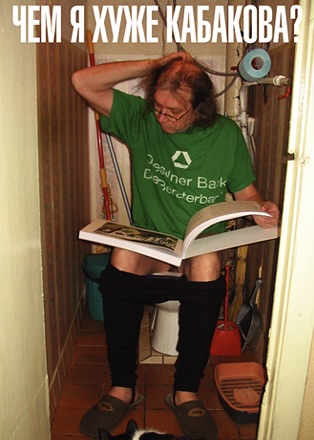
«The word first came into being in 2000, when the artists from the 'New Stupid Companionship'—Vladimir Kozin and Vadim Flyagin—finally, after growing weary of being ignored, decided: since galleries and museums weren’t rushing to invite us into their halls, we would make our own space—in the vestibule, in the hallway, in the restroom, and frame it as a cohesive project.» [1]
Let’s discuss how the parasite originated. What came before it, and what were the prerequisites? I’ll talk about Kozin as the main inspiration. I’ll ask: what was the initial goal and how did the ideals evolve? How and who are brought into the collective, and what is the mentorship system like? The overarching question is: is the parasite a coherent narrative, is it a system, are they truly parasites (like zombie fungi), or could they be good parasites (like benevolent fungi), or perhaps they aren’t parasites at all, but just normal people doing what they enjoy? IMPORTANT: This is less about the projects and more about the people—their self-presentation within the art scene. I want to focus on interviews: what the media wrote about them, and what memories they have.
A brief history of projects.
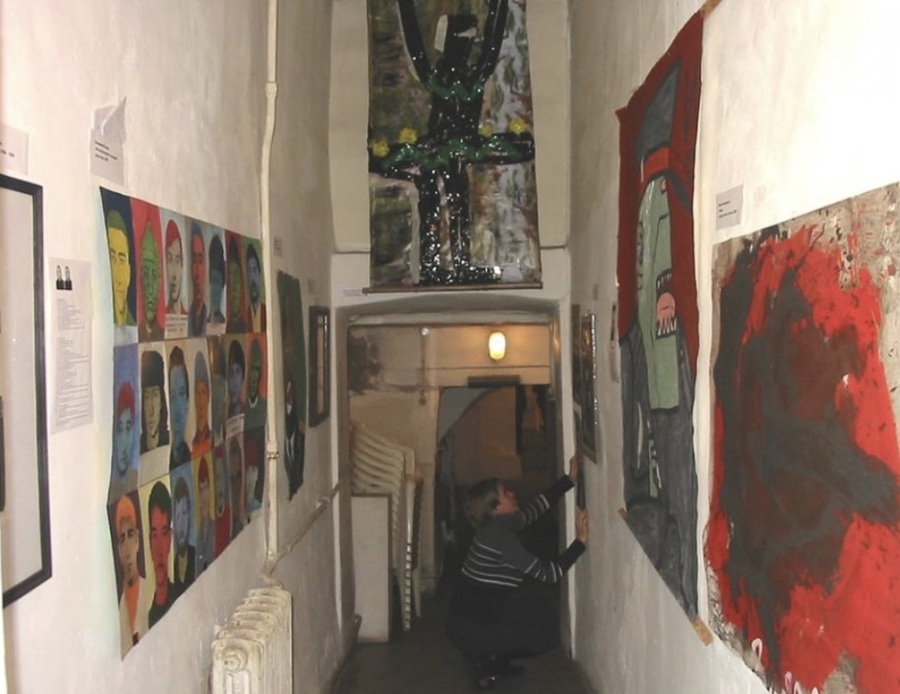
Dirty.
In this section, I will examine projects created in spaces that do not seem intended for art. (These projects are also accompanied by unrefined presentations, and the artists' works are not always visually pleasing.) This stage was the first for the parasites; they began precisely in the anterooms. I will look at projects from the very beginning of a creative journey to the most current ones, specifically those made in 2026. I will also hypothesize why it is still important for this collective to engage in this work, which means I will return to the core concept.
Sterile.
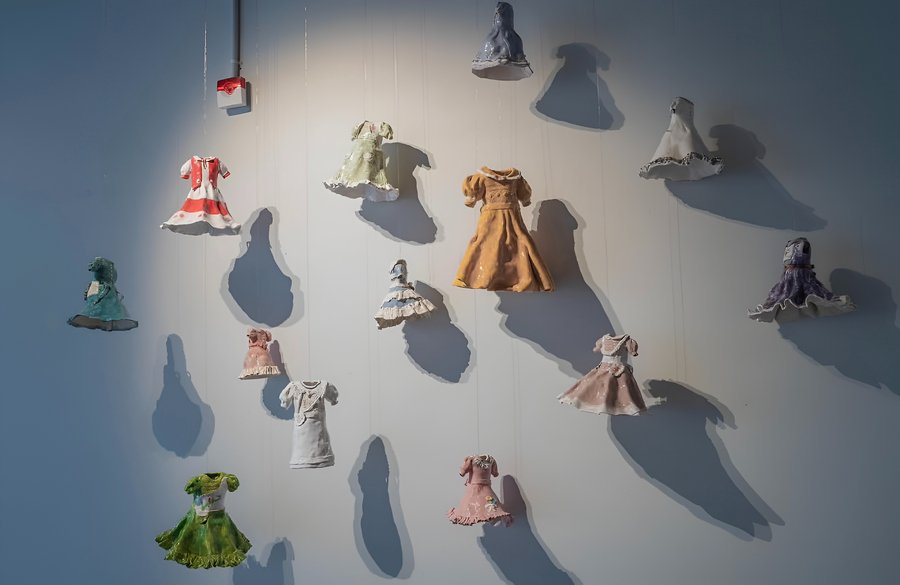
I’ll tell you about opening my own gallery in 2022. Yes, a white-cube gallery! I’ll present several projects that were created there. I’ll also hypothesize why the group decided to take this step, how it is helping them develop, and why they haven’t given up on practice in the anteroom.
Grand in scale.
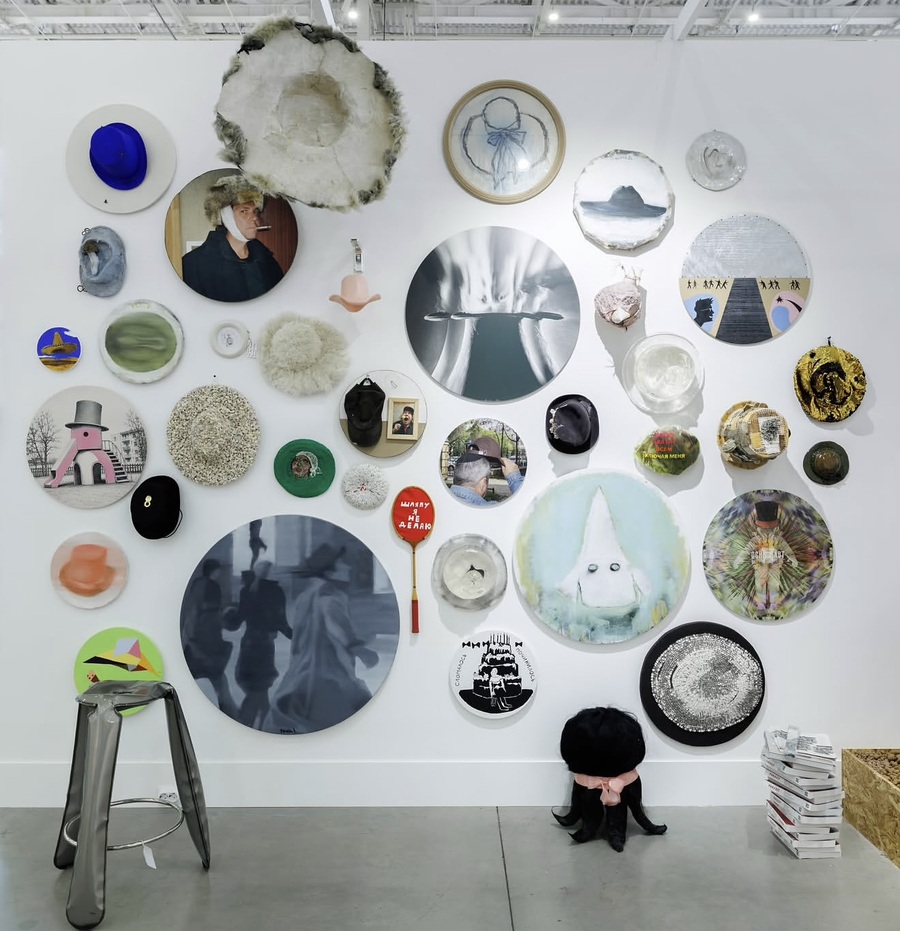
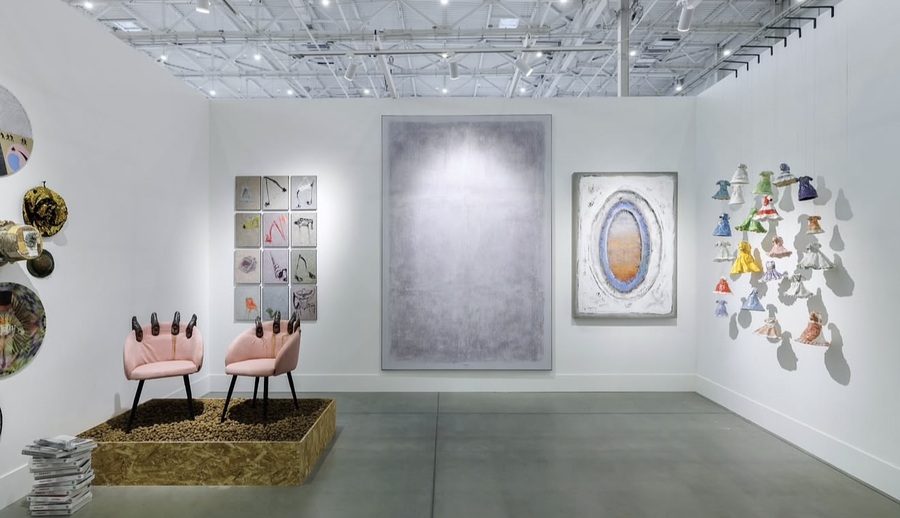
This section focuses on how parasitic entities participate in fairs, biennials, and similar events. What do their booths look like? What claims do they make? Why is it important for them to participate in these events? How do they adhere to established norms? How do they coexist with galleries whose primary goal is to sell? Do they need to sell things themselves? (They do.) What methods do they employ? How do they take risks and attempt to attract a «different» buyer? I want to base this analysis on Cosmoscou 2026—to dissect their booth and briefly cover the overall atmosphere of Cosmoscou.
Conclusion.
The most crucial idea must be present here: art is an utterance, not a space. Yes, space can certainly play an important role in revealing a specific work, but it does not define the work itself. Art is about people; it is for people, and it is created by people. Art should not strive to fit within the confines of a system. Ultimately, all of this comes down to the fact that parasite gives us more choice than others. Yes, they certainly have their own vision (how could they not?), but they demonstrate that this vision is not absolute—they do not have to be confined to a single paradigm.
Book between Pukhto and Eritage, p. 25, Anna Matveeva