I have always been interested in advertising campaigns that move beyond conventional product promotion. I am particularly drawn to campaigns where a brand doesn’t just display an advertisement but becomes part of a real-life narrative.
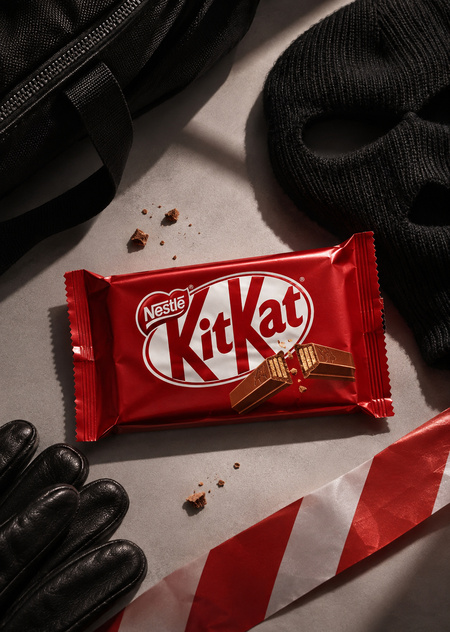
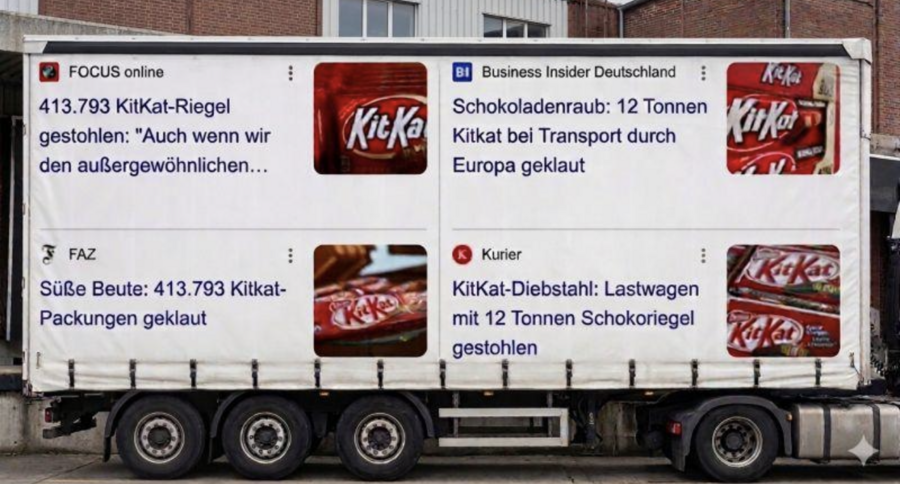
This is why The KitKat Heist caught my attention—a campaign that originated after the actual theft of over 400,000 chocolate bars.
I became curious about how an event that was initially a problem for the company transformed into an international news story. In this research, I want to explore the role played by KitKat’s visual identity, humor, and audience engagement.
01. Introduction and Context02. Advertising Campaign Concept03. Audience and Perception Scenario04. Visual Analysis of the Advertising Campaign05. Distribution and Effectiveness06. Conclusion
Introduction and Context
When News Becomes Advertising
Research Relevance
In modern communication, advertising can be not only a specially crafted image but also a real-life event. The KitKat Heist demonstrates how a brand leveraged an unexpected crisis to create a viral story, uniting news coverage, social media, and audience participation.
Goal and Hypothesis
What is being explored?
Objective: To examine how KitKat transformed a real event into a viral PR campaign using visual identity and digital engagement.Hypothesis: The campaign’s success is linked to the combination of recognizable brand style, humor, an unusual news hook, and audience participation.Layout: White background, two large text blocks. Highlight the keywords «visual identity, ” „engagement, ” and „real event“ in red.
The History and Philosophy of KitKat
Take a Break. Have a KitKat.
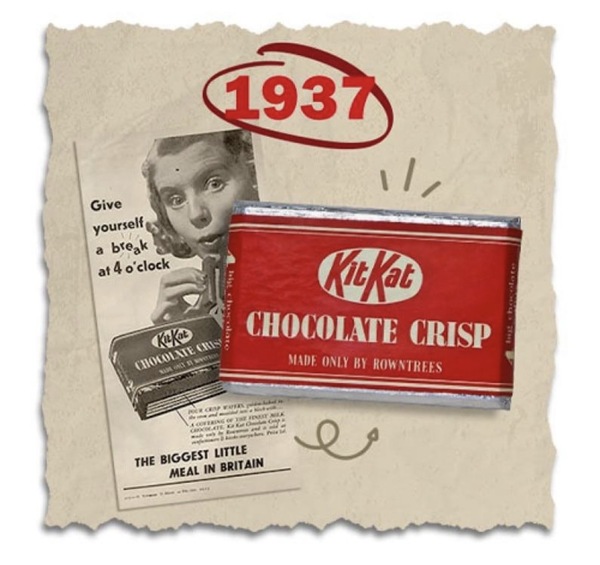
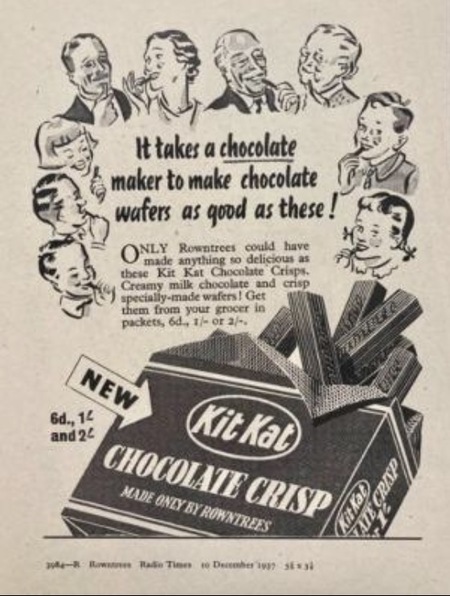
The KitKat brand first appeared in the UK in 1935. Its core advertising concept was built around taking a short break in daily life.The slogan «Have a Break, Have a KitKat» became an iconic part of the brand, allowing for decades of advertising based on humor and unexpected scenarios.Visuals: three images—vintage packaging, historical advertising, and the modern KitKat. A brief text description is provided below.
Brand Visual Language
Recognition without explanation


Red, primary color / Brown, product image
KitKat’s visual identity is built upon a rich red color, a contrasting logo, imagery of chocolate, and clean typography.These elements allow the brand to remain recognizable even in messages that are almost devoid of promotional graphics.
Advertising Campaign Concept
A Real Story
In March 2026, while being transported from Italy to Poland, a truck carrying 413,793 KitKat bars was stolen. The incident occurred just before Easter—a key season for chocolate sales. Instead of covering up the issue, the brand publicly disclosed what happened.
missing chocolate
Campaign Analogy
From Theft to Promotional Event
March 2026 — The Heist
The truck is stolen, and the news emerges.
Late March — The Statement
KitKat’s official response across social media.
April — The Engagement
Launch of the Stolen KitKat Tracker.
June — The Recognition
Cannes Lions Grand Prix in the PR category.
KitKat’s first statement
KitKat issued an official statement in its signature red and white design. The visual message resembled standard corporate communication: logo, headline, main text, and no decorative elements. The contrast between the serious format and the unusual nature of the event caught the users' attention.
Humor as a component of strategy