«Memory as a Source of the Past»
In the future, humanity learned to preserve vast amounts of information: photographs, videos, documents, and digital archives. However, parts of the past were still lost.
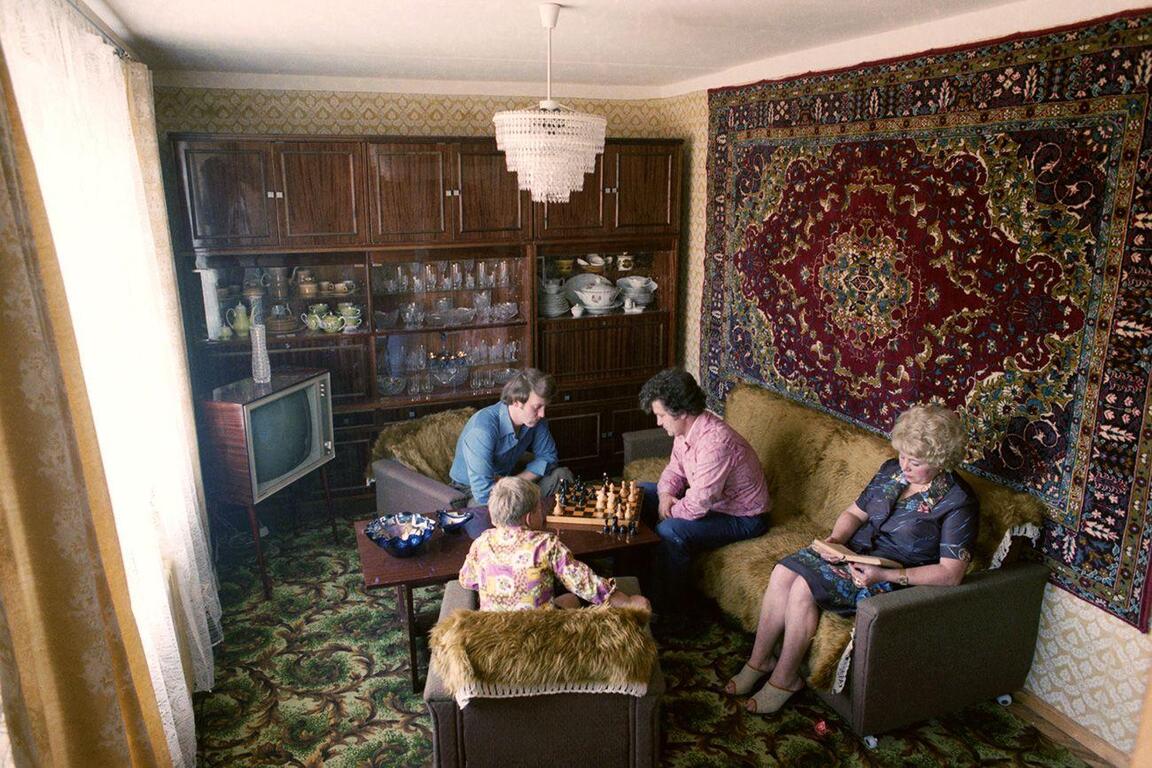
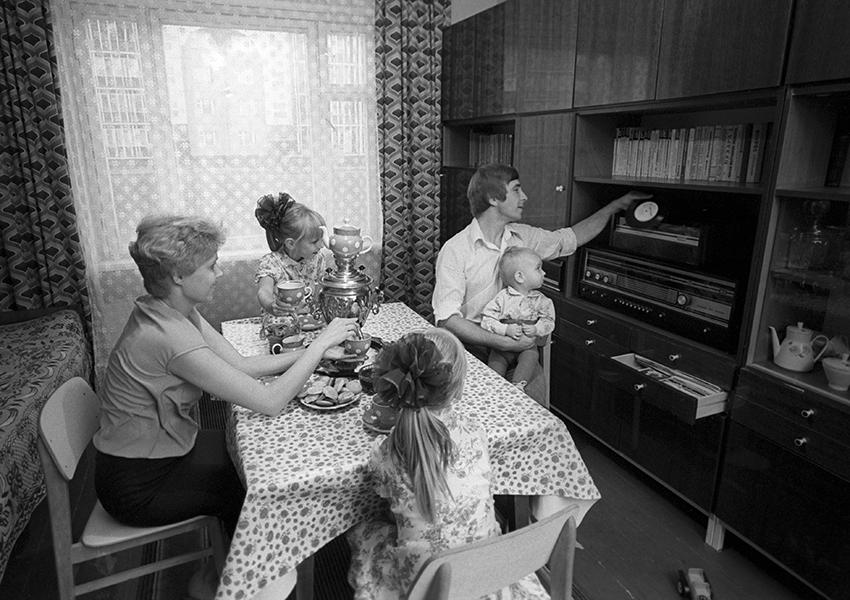
Cities, buildings, personal archives, and everyday objects vanished. Along with them disappeared small stories—what an ordinary home looked like, where the table was placed, what the light was like in the evening, and what sounds surrounded a person.
An archive could preserve a photograph of a space, but it could not preserve the sensation of being inside it.
Therefore, researchers began to look for another source of information about the past—human memory.
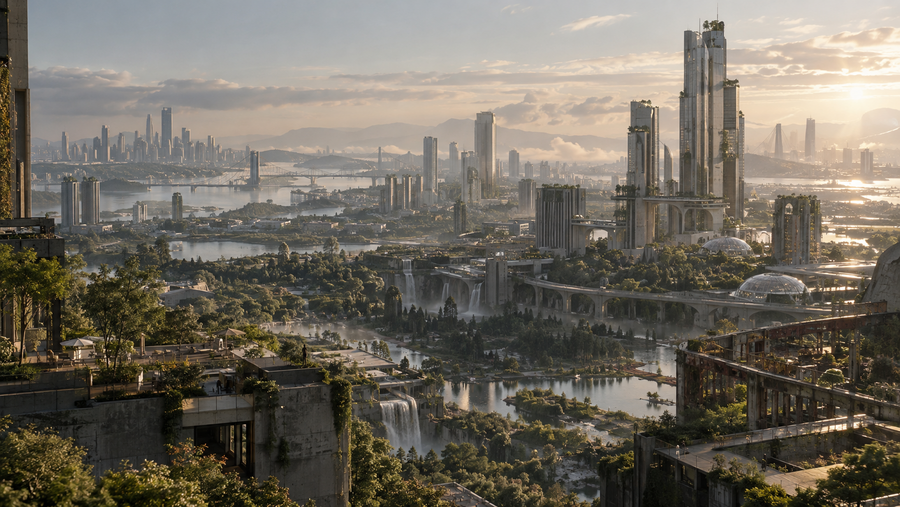
The World of Tomorrow
By the end of the 21st century, humanity learned how to preserve nearly all digital information. However, data preservation did not equate to preserving the past itself. Environmental changes, the disappearance of cities, the destruction of buildings, and the loss of personal archives meant that spaces tied to human history were gradually vanishing. Everyday history, in particular, was disappearing rapidly. It wasn’t the historical events or official documents, but the ordinary places—apartments, rooms, kitchens, homes, and meeting spots. A photograph could show what a space looked like, but it could not fully convey how a person felt inside it. Therefore, the idea of using human memory as an additional source of information about the past gradually emerged.