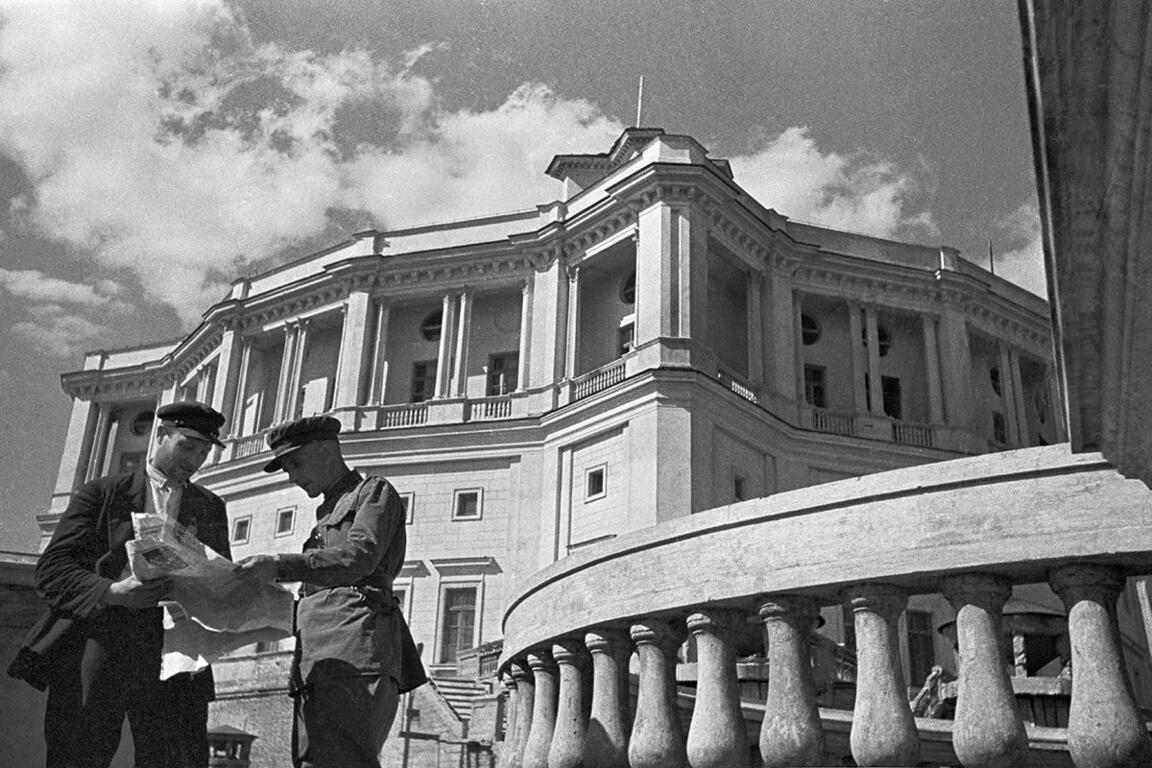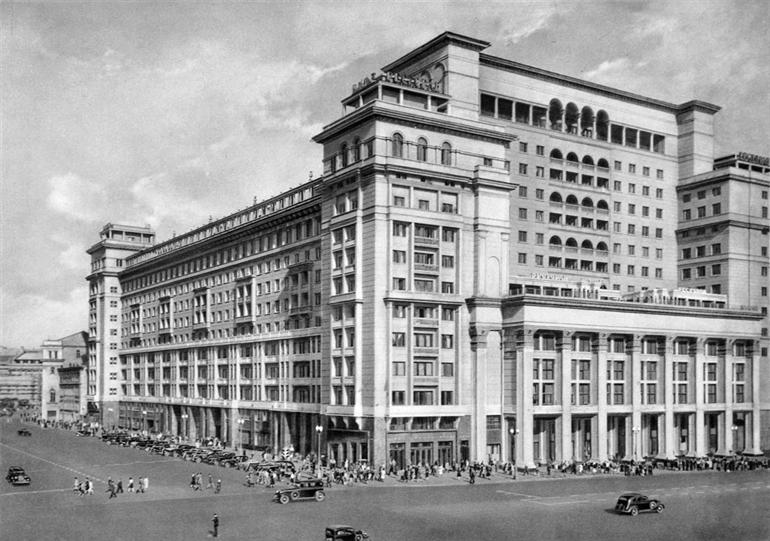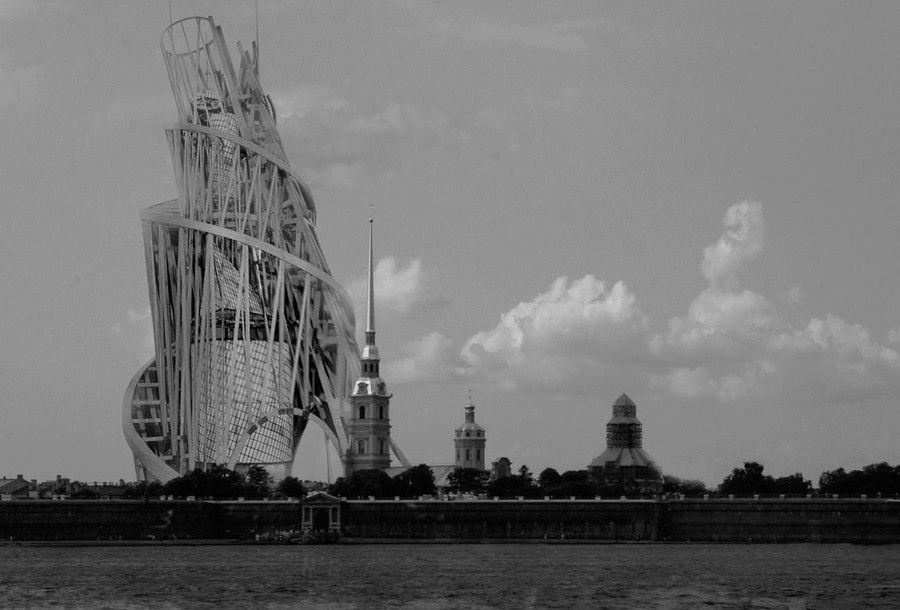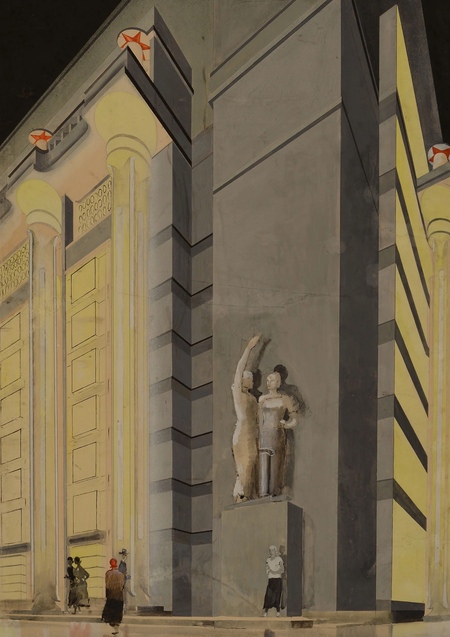
In the late 1920s and 1930s, Soviet architecture underwent a sharp departure from the principles of the avant-garde and constructivism toward monumental classicism. So, how was the ancient Roman architectural heritage—founded on the principles of the orders system—adapted to express the ideology of the young Soviet state, and through what visual techniques were ancient elements transformed to create fundamentally new, «socialist» meanings?
The Reinterpretation of Ancient Roman Motifs in Soviet Architecture of the Late 1920s–1930s
By the late 1920s and 1930s, Soviet architecture gradually moved away from the dominance of Constructivism and began drawing upon classical heritage. By 1932, the emphasis on «mastering classical heritage» became an official component of the architectural agenda. However, this did not imply the mere copying of ancient monuments. Roman forms were reinterpreted and integrated with modern structures, Soviet symbolism, and the primary objective was the creation of a monumental image of the new state.