Navigator
- Concept
- Antiquity: The Birth of Plasticity in Sculpture
- Dance as a Sacred Ritual
- The Image of Shiva Nataraja
- Conclusion
Concept
Dance in India has never been solely a form of entertainment or physical self-expression. It has held a vital place in spiritual and social life, serving as an integral part of religious rituals, temple ceremonies, festivals, and mythological narratives. This is precisely why depictions of dancing figures have appeared in Indian art throughout the centuries, assuming various forms, meanings, and artistic nuances.Of particular interest is how movement—which is inherently transient and constantly changing—is transformed into the static medium of sculpture. Indian masters strove to convey not just a human figure in a specific pose, but the very sensation of movement: muscle tension, body curves, weight transfer, the positioning of hands and feet, rhythm, and inner energy. The sculpture seems to arrest a single moment of dance, allowing the viewer to complete the preceding and subsequent movements. Thus, stone and bronze…
Topic Selection
I have always been particularly interested in Indian culture. While researching material to help me choose a topic, I came across a sculpture. I was captivated by how the creator managed to convey the plasticity of the human body in such a simple and ancient sculpture, along with the idea that dance has always been a part of people’s lives, especially in India.
Antiquity: The birth of plasticity in sculpture
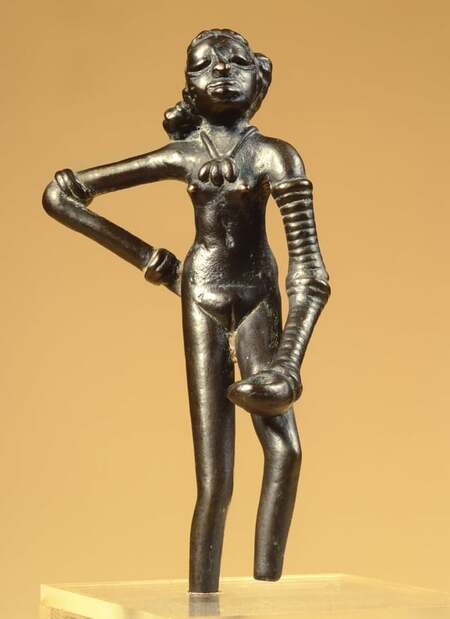
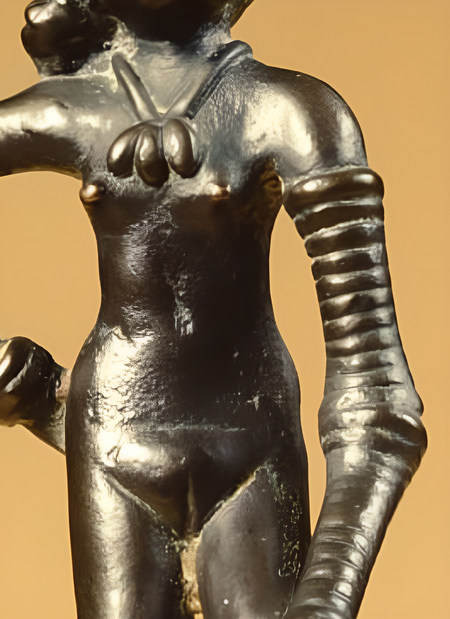
«Dancer» from Mohenjo-Daro, artist unknown, circa 2500 BCE, Harappan Period
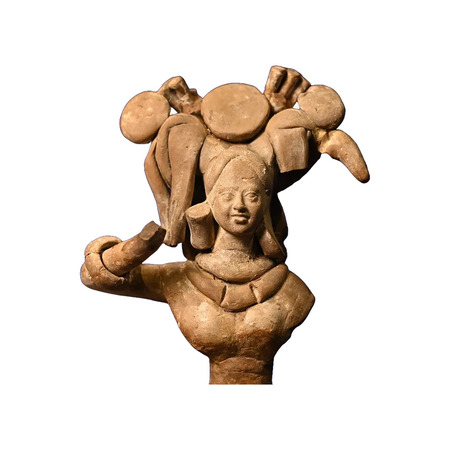
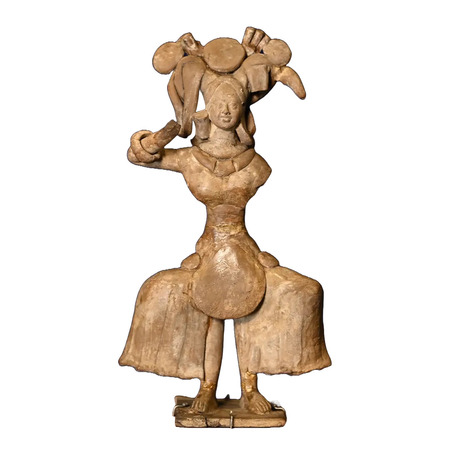
«Dancer,» artist unknown, c. 3rd century BCE, Mauryan period
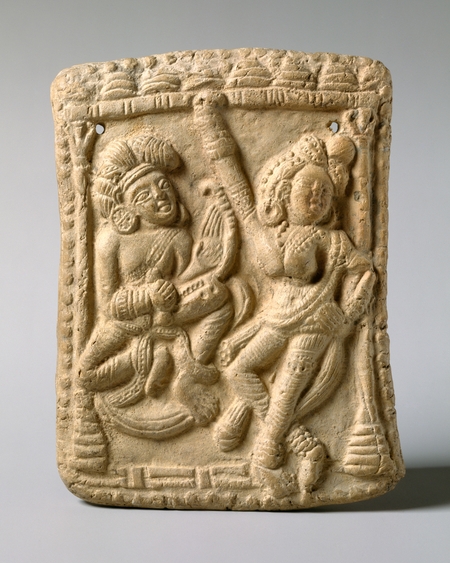
Memorial plaque featuring a dancer and a vintner; artist unknown, 1st century BCE, Shang period.
Dance as a Sacred Ritual
In Hinduism, dance is considered one of the paths to spiritual realization—the Bhakti Marga.
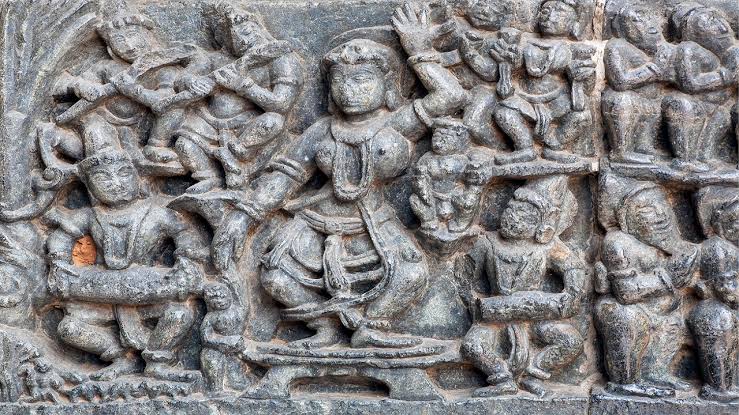
Temple of the Sun in Konark, 13th Century CE
The Image of Shiva Nataraja
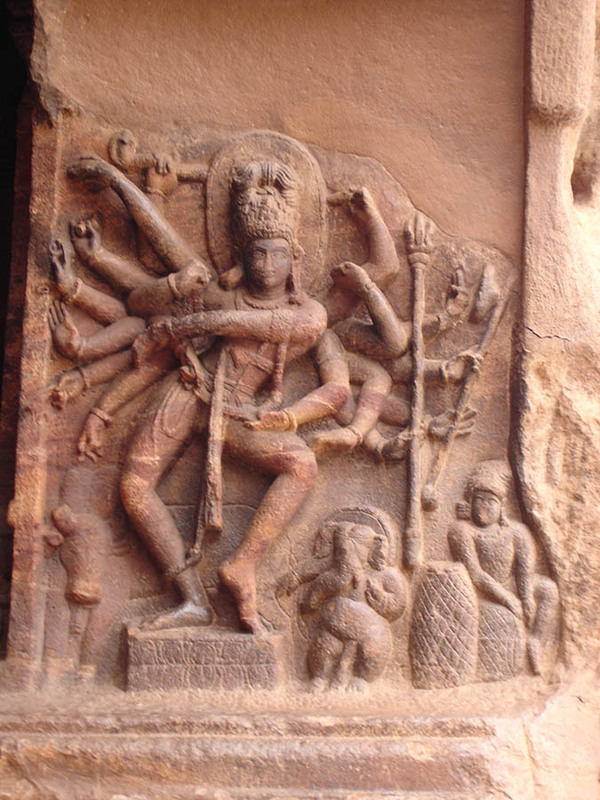
Shiva Nataraja in the Rameshwaram Cave, author unknown, circa 6th century CE.
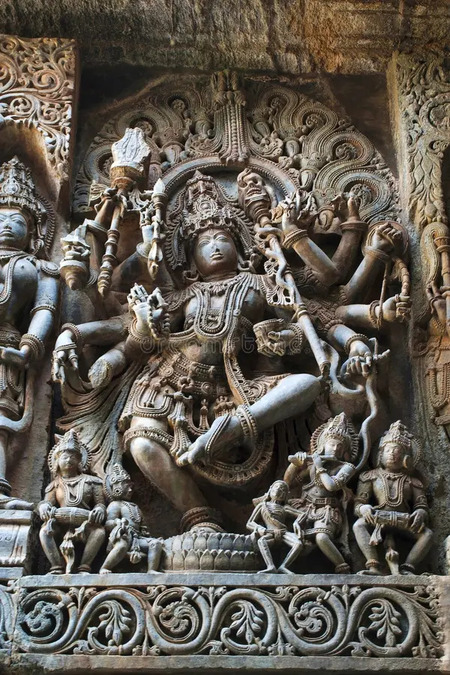
Shiva Nataraja (Sanskrit—"Lord of the Dance») is a canonical figure in Hindu sculpture, expressing the cosmological principle of the cyclical nature of existence: his dance, called Tandava, synchronizes the processes of creation, preservation, and destruction.
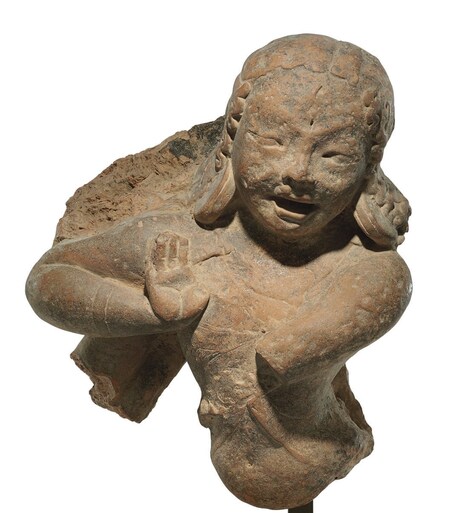
Dancing Shiva, artist unknown, V CE, Gupta period
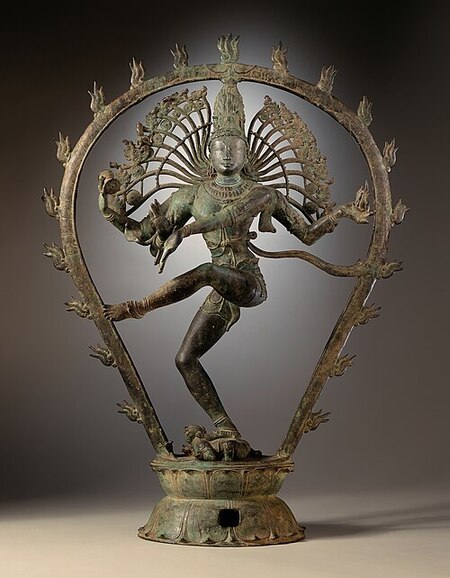
Shiva Nataraja, Lord of the Dance, unknown artist, c. 950–1000 CE
modern decorative replica
«The Dancer» from Mohenjo-daro. c. 2500 BCE. Reddit. URL: https://www.reddit.com/r/ArtefactPorn/comments/ux8p0a/the_dancing_girl_of_mohenjodaro_a_famous_bronze/?tl=ru (Accessed: 11.11.2026)
«The Dancer.» c. 3rd century BCE. Bihar Museum. URL: https://www.biharmuseum.org/the-dancing-girl-sculptures/ (Accessed: 14.11.2026)
Konark Sun Temple. Flickr. URL: https://www.flickr.com/photos/asienman/23699928606