Project Concept Description
FORM / 05 — a collection of five designer desk accessories, unified by the concept of merging functionality with sculptural aesthetics.Each object is inspired by natural forms, architecture, and contemporary geometry. Five unique silhouettes—TWIST, WAVE, BLOCK, CELL, and ARCH—demonstrate the diversity of plastic solutions within a unified minimalist style.The collection was designed with the capabilities of 3D printing in mind, transforming a conventional desk item into a expressive element of modern interior design.The main idea of the project: a functional object can be a work of art.
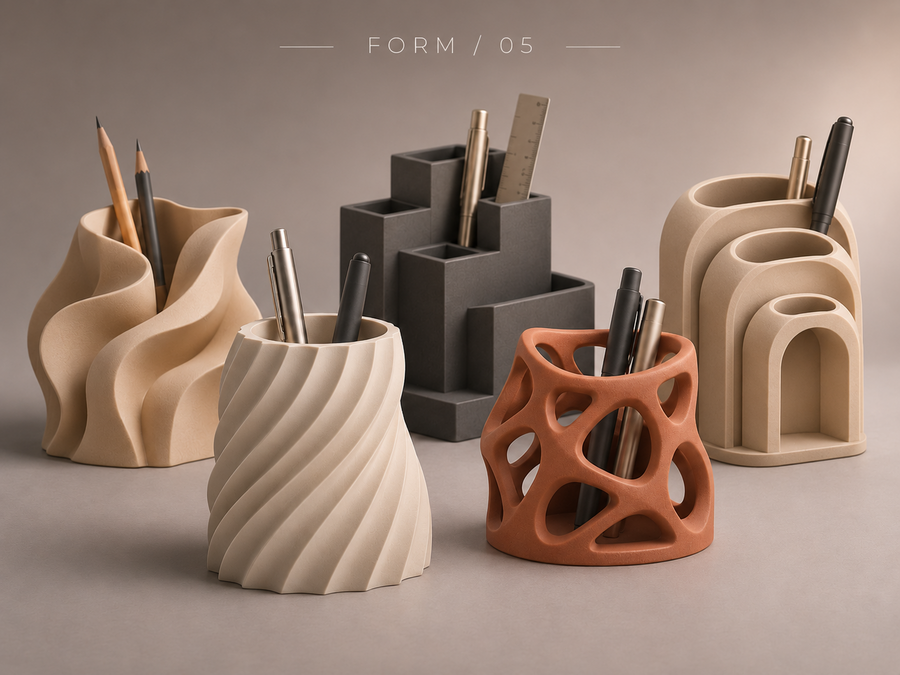
Promotional images for the entire series and individual pieces
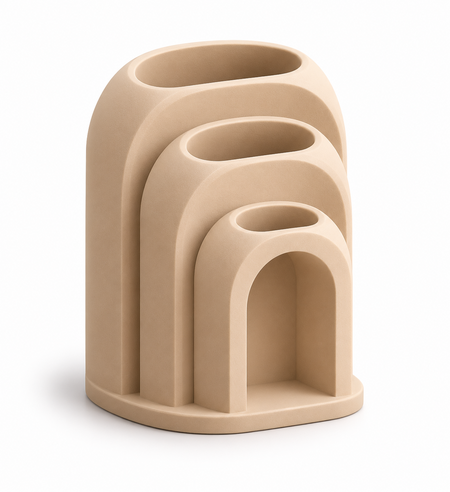
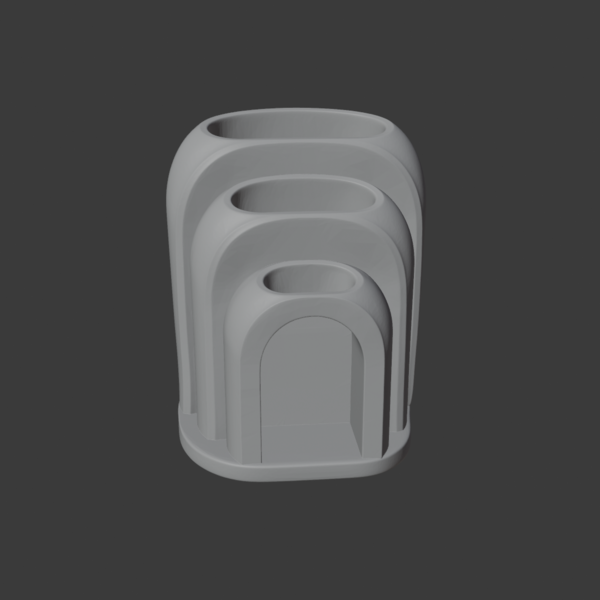
Arch Model
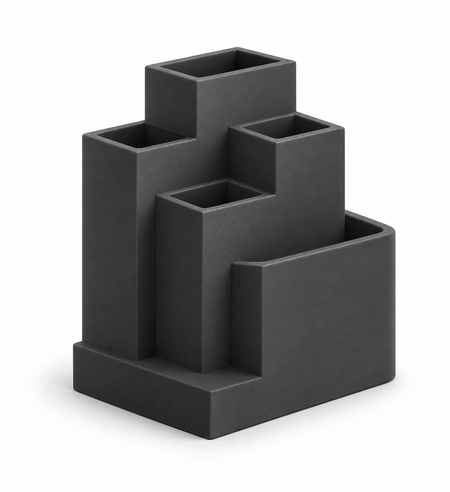
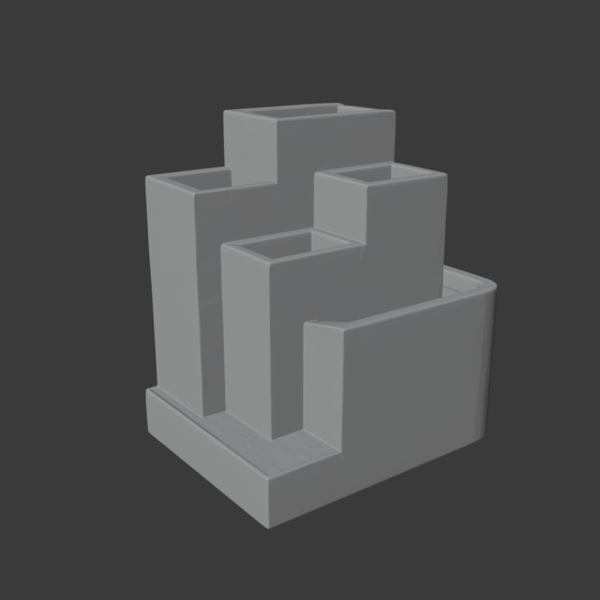
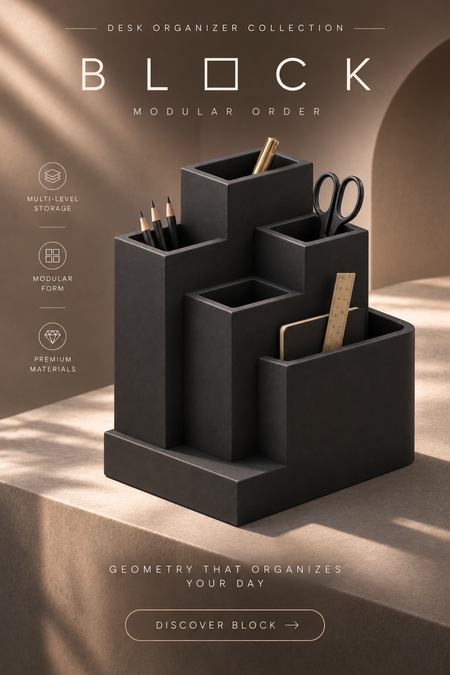
Block Model
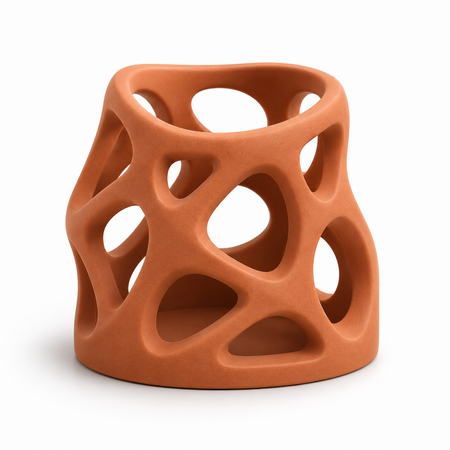
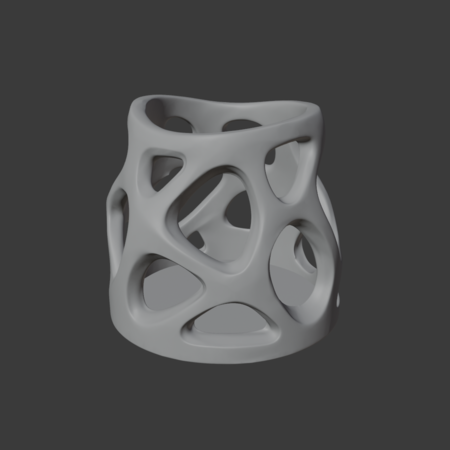
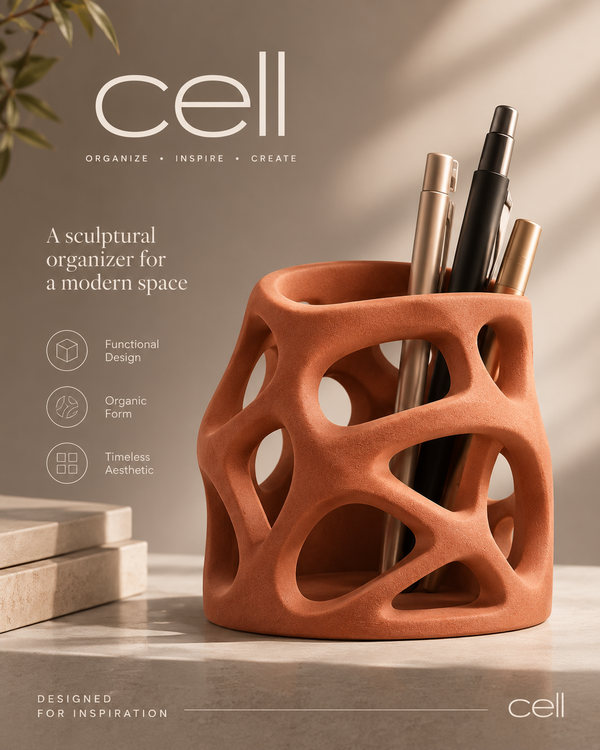
Cell Model
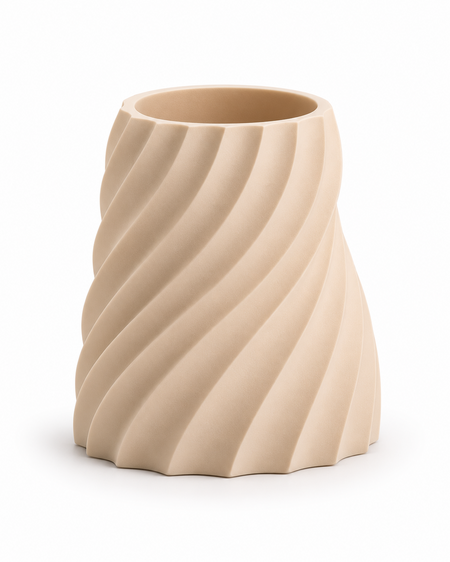
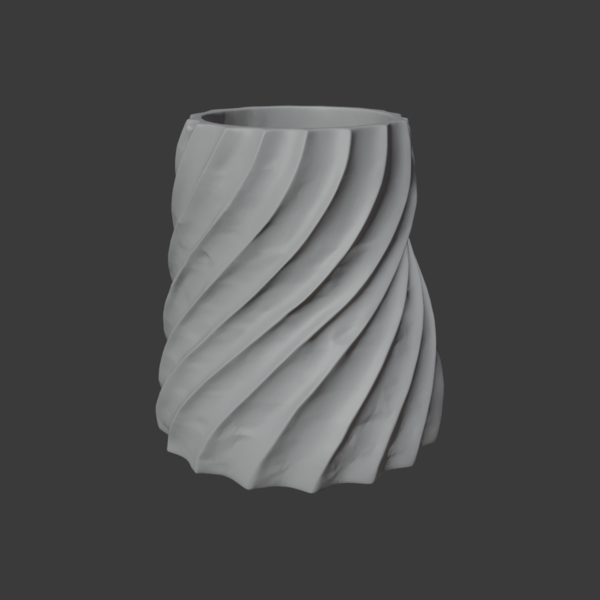
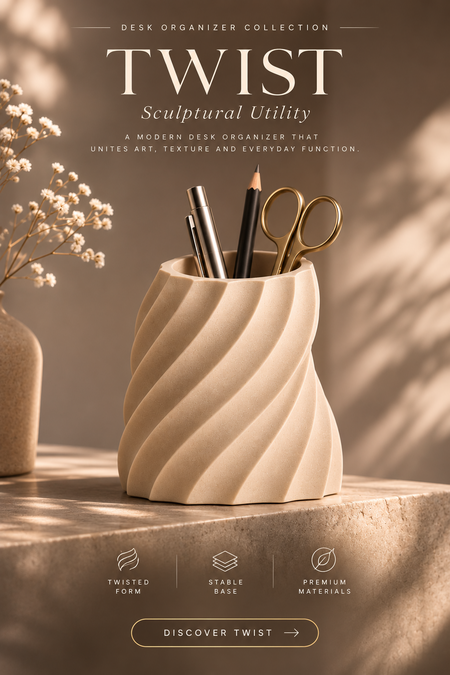
Twist Model
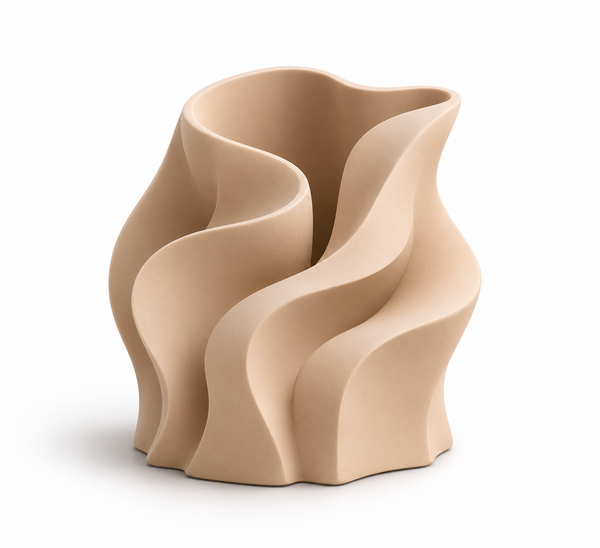
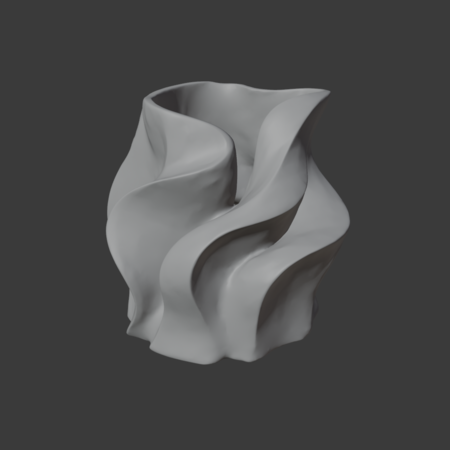
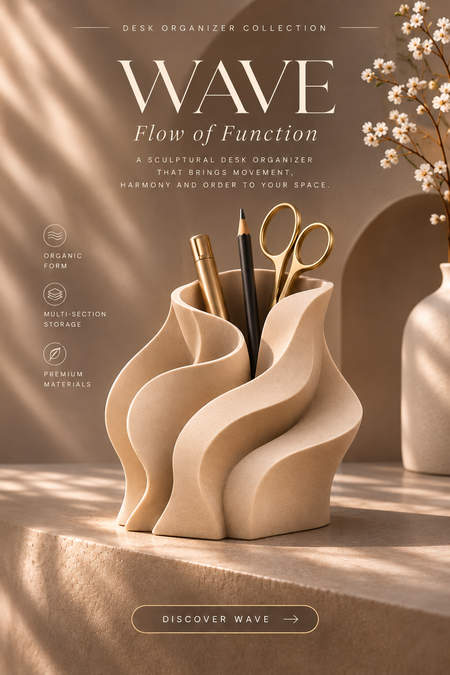
Wave Model
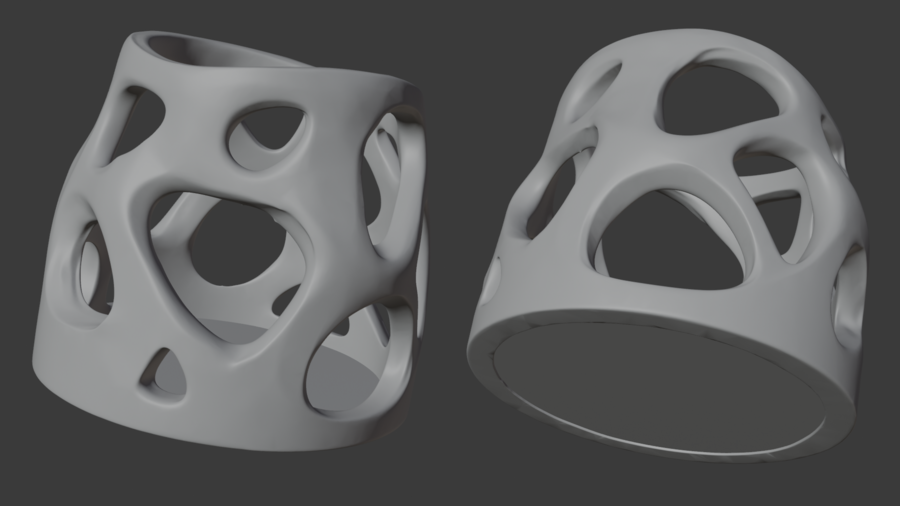
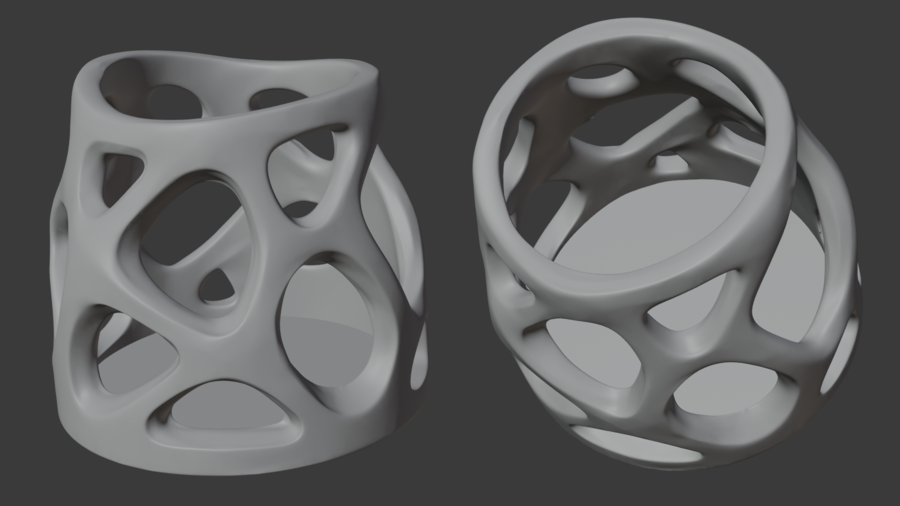
Sketch images
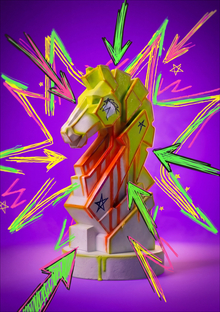
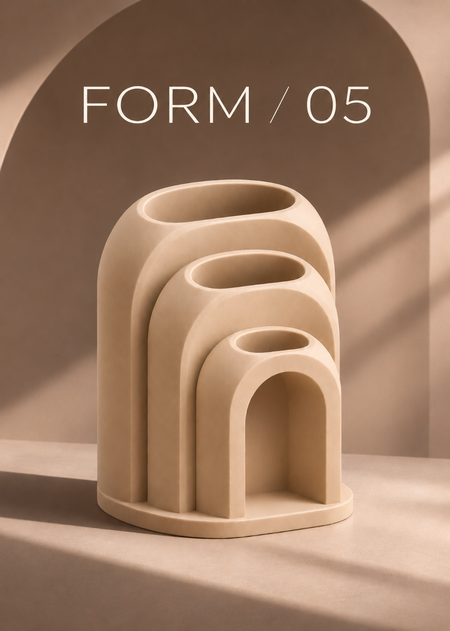
Promotional Poster for a Series of Projects
Scope of Work Description for Production
The FORM / 05 collection consists of five design bases for writing utensils, intended for 3D printing.
Model Dimensions: TWIST — 90 × 90 × 110 mm; WAVE — 120 × 100 × 110 mm; BLOCK — 140 × 110 × 140 mm; CELL — 96 × 96 × 92 mm; ARCH — 110 × 90 × 140 mm.
Technology: FDM printing, nozzle diameter 0.4 mm, layer height 0.2 mm, infill 15–20%.
Material: Matte PLA plastic in milky, sandy, graphite, and terracotta shades.
Each model features a stable base, smoothed edges, and functional compartments. The pieces are predominantly manufactured as a single, assembled unit.
Before production, the STL models are checked in the slicer for correct geometry, structural integrity, and the necessity of support structures. The specified parameters are preliminary and will be refined after test printing.
Description of the process, including tools and sequence
The work on the FORM / 05 collection began with the development of an overall concept and visual style using ChatGPT. At this stage, sketches, references, and images of five objects were created.Based on the resulting images, 3D models were generated using Meshy AI and subsequently exported in STL format.Next, the models were imported into Blender to check the geometry, eliminate potential flaws, and prepare them for 3D printing.The final stage involves validating the models in a slicer program, configuring print parameters, and exporting the files for the 3D printer.Thus, the process combined generative artificial intelligence, 3D modeling, and additive manufacturing technologies.