Introduction
The image of the space suit has always been connected to themes of the future. Even now, though humanity has gained the ability to venture into open space, for many people it remains something unattainable, distant—and is predominantly featured only in discussions of a far-off future when humankind finally seeds all parts of the solar system, and eventually, all of outer space.So, what should the suit look like for that brave person who steps out to meet the void? The human imagination has long spawned hundreds, if not thousands, of possible visual concepts for the suit…The study focuses not only on the external features of the suits but also on the principles of their visual design: proportions and silhouette, helmet shape, materials and textures, life support systems, mechanical connections, and protective elements.
The very beginning… comics!
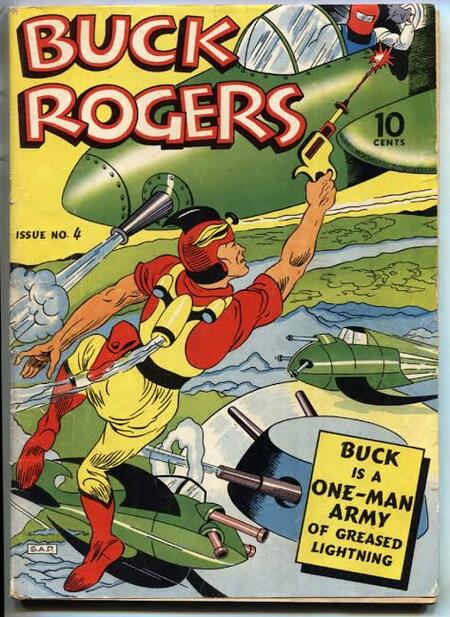
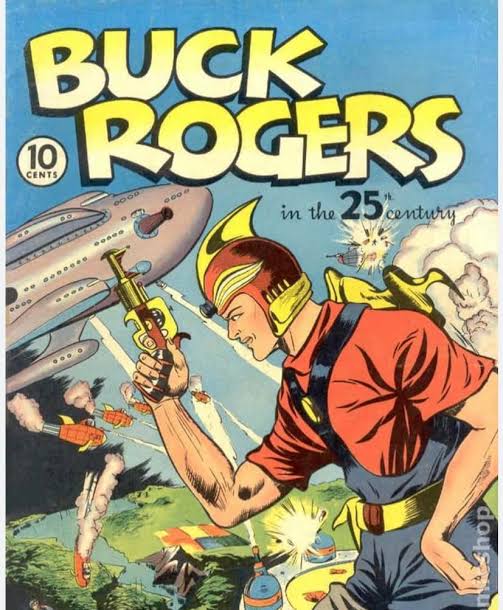
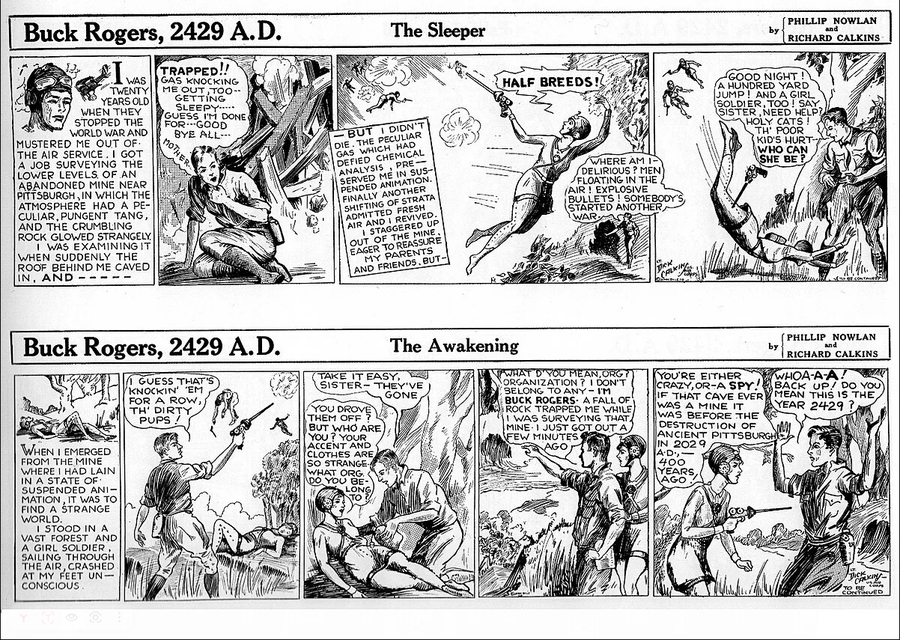
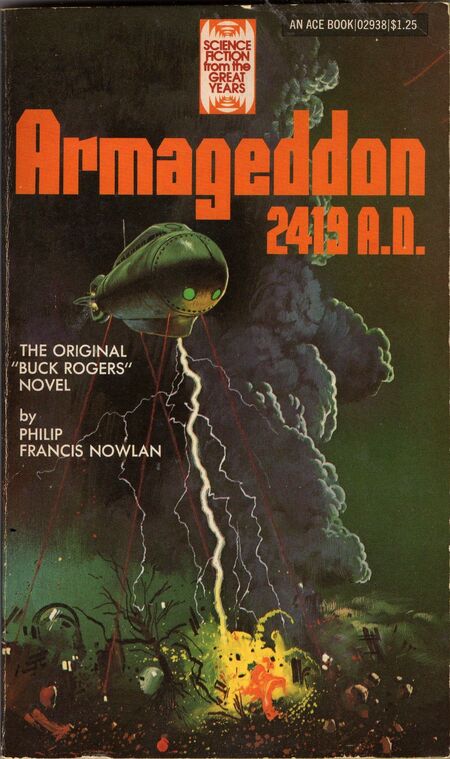
Buck Rogers—one of the first mass-market science fiction newspaper comics that significantly influenced the formation of the visual image of the future. The character first appeared in August 1928 in Philip Francis Nolan’s story «Armageddon 2419 A.D.,» published in Amazing Stories magazine. On January 7, 1929, the story continued in a comic book format illustrated by Dick Kalckins.The protagonist, Anthony «Buck» Rogers, awakens from a long period of hibernation in the distant future, finding himself in a world of high technology, airships, futuristic weaponry, and space travel. The comic helped shape one of the first mass perceptions of the future human and their technological environment.
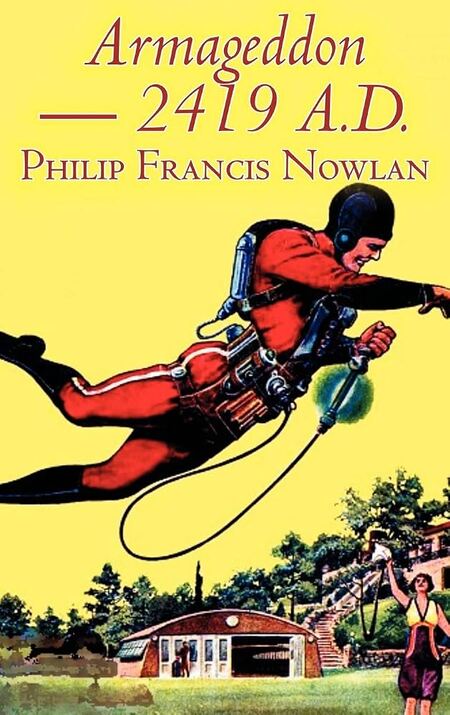
Since this is one of the first pieces to address the visual aspect, the visual language still relies heavily on early 20th-century aviation and military attire: form-fitting jumpsuits, high boots, gloves, protective gear, and characteristic headwear. The futuristic quality is achieved not so much through the complex construction of the spacesuit, but through the fluid shapes and unusual accessories.
With new comic releases, various flying apparatus, rocketry technology, energy weapons, and new types of equipment are being added to the entire aesthetic. A color Sunday series is beginning, introducing possibilities for visual stylization of the characters and their costumes.

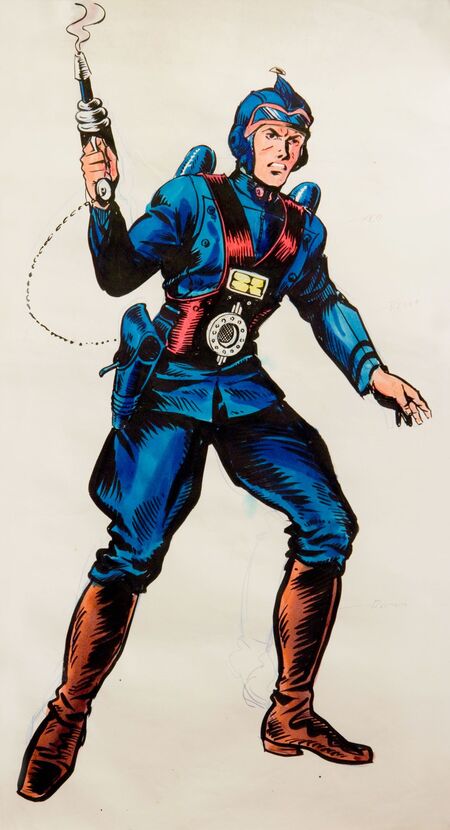
Unlike Dan Dare, Buck Rogers has yet to fully conceive of the modern, airtight spacesuit. He is more significant, primarily, for creating the artistic prototype of the space traveler—a human whose attire becomes a visual marker of belonging to a technologically advanced future.
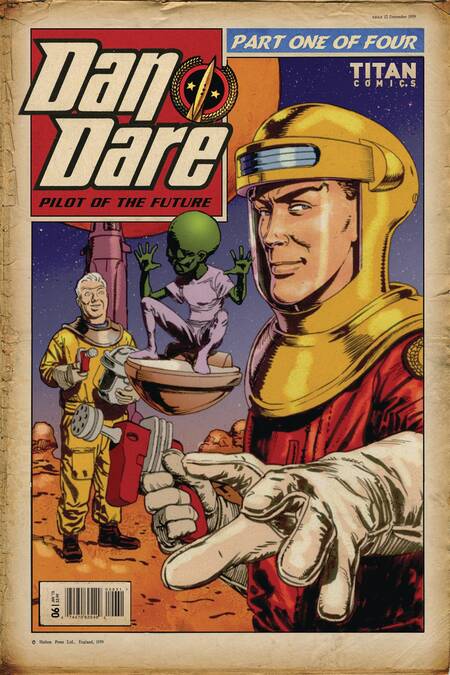
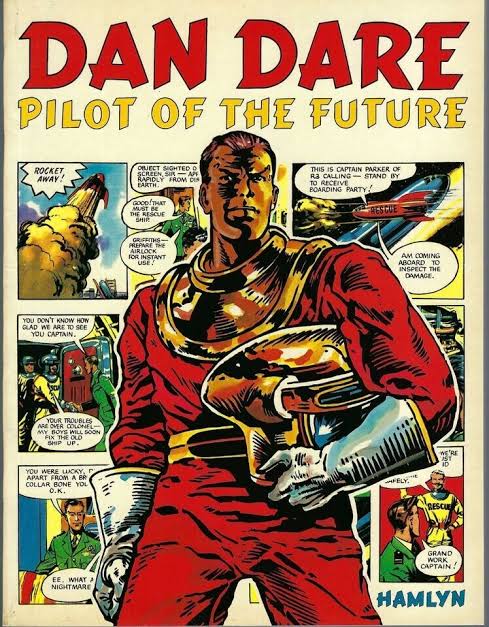
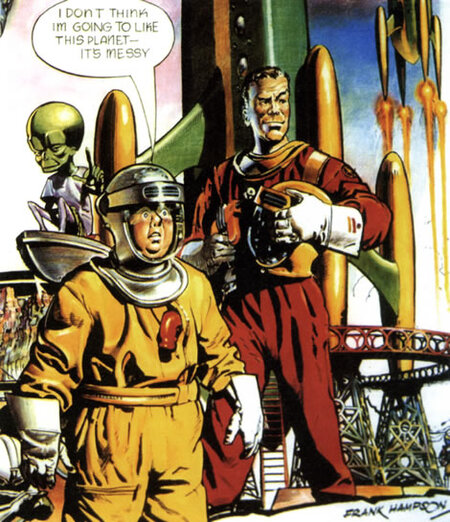
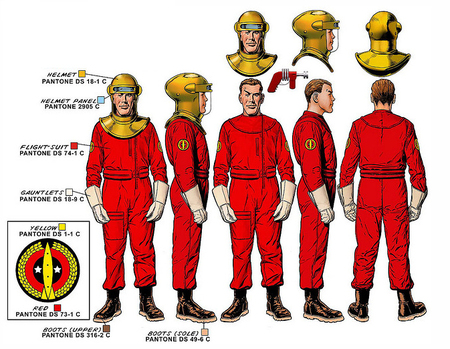
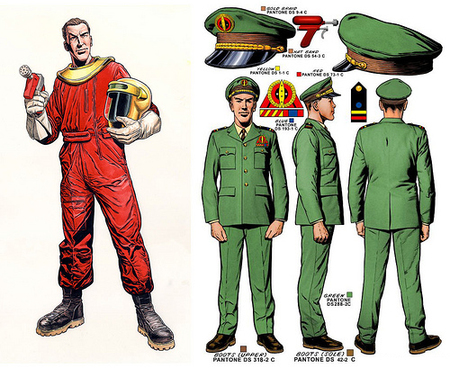
Next on the list is Dan Dare: Pilot of the Future—a British science fiction series created by artist and screenwriter Frank Hampson. The story followed the adventures of the pilot Dan Dare and his crew as they explored space and encountered unknown civilizations. This is where the image of the space traveler begins to take on the characteristics of professional equipment—thoughtful, functional, and tied to concepts of real aviation and engineering.It is finally here that the helmet becomes one of the most critical visual elements separating the human from the external environment, emphasizing the necessity of protection when venturing outside the ship. The space traveler’s attire is perceived as specialized gear, not casual clothing. This results in characters appearing as trained specialists rather than random adventurers.
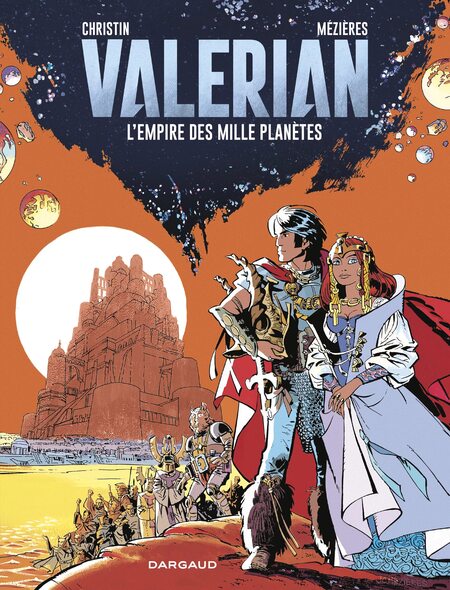
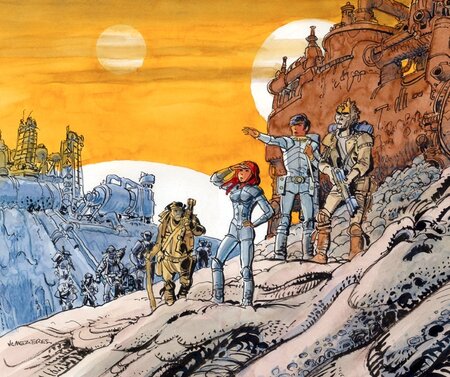
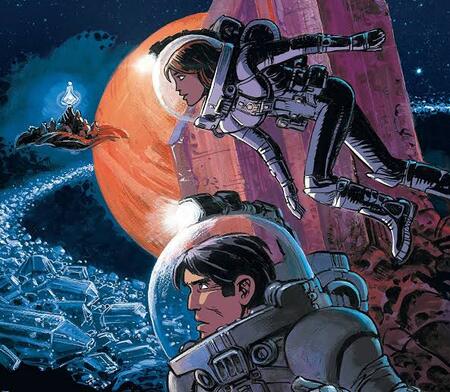
If you try to move away from the technology and focus more on the silhouette, the feelings, and the attempt to convey more of the work’s mood, then «Valérian and Laureline» (originally «Valérian et Laureline,» French), which was printed around the same time, is a better fit—the spacesuits are treated more artistically, unlike in Dan Dare.The main characters are agents of the space-time service from the future—travelers between epochs and planets who complete assignments and interact with various cultures and life forms.The world of the series is not built around a single model of technological future; rather, every planet and civilization possesses its own visual identity. Therefore, clothing, equipment, and modes of transport can differ significantly depending on the environment and the characters' missions, although the space suits remain relatively consistent throughout the comic.
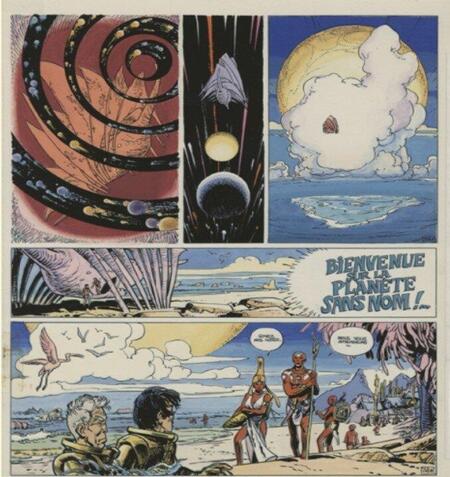
The geometry of costumes is becoming looser by combining streamlined forms with asymmetrical elements, unusual proportions, and decorative details. Technological elements do not always resemble familiar terrestrial devices. They can be organic, whimsical, and even biologically reminiscent of objects. In other words, futuristic design is moving away from directly copying aviation gear and is forging its own visual language.
Cinema
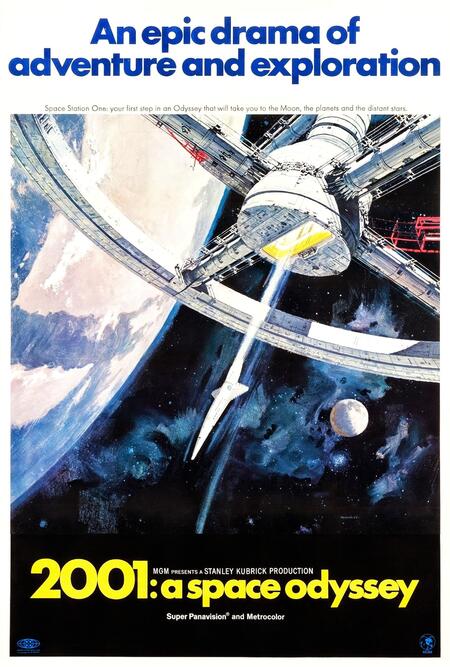
Could a scientific approach truly drive evolution further? Yes, it must. The very subject matter implies the necessity of applying scientific methods in image creation. A prime example of a film that advanced visual storytelling is 2001: A Space Odyssey, directed by Stanley Kubrick in 1968 and written with Arthur C. Clarke, the author of the future novel bearing the same name.The film became one of the most significant works in the history of science fiction cinema. Its visual language is built upon the ambition to present the future of space not as fantasy, but as a convincing technological reality—one that is, at times, unsettling.In the movie, the equipment is viewed more as part of a complex system for human survival in space, rather than merely an artistic element, although it is certainly noteworthy.
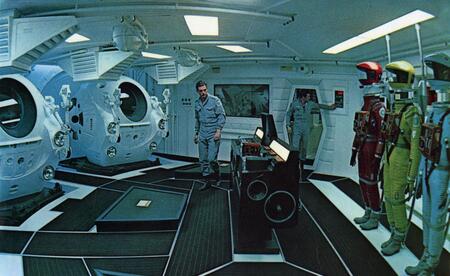
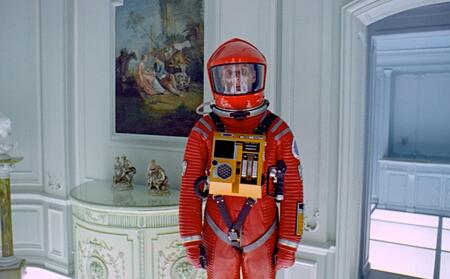
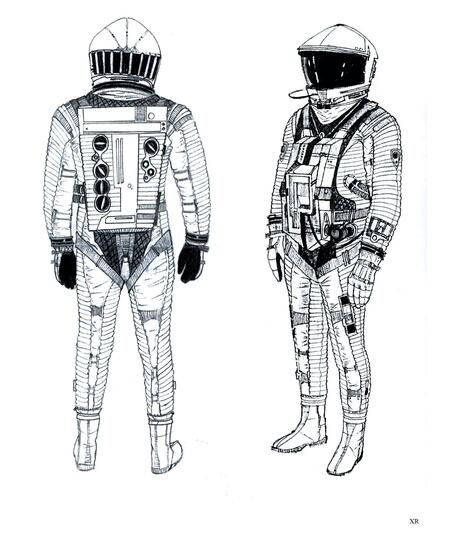
One of the film’s defining characteristics was its commitment to technical accuracy. The design of the space equipment was developed with consideration for the prevailing scientific understanding of spaceflight at that time.Kubrick sought to move away from the conventional depiction of space in science fiction cinema—where humans can move freely without specialized protection. Instead, the film constantly emphasizes the physical limitations of the human body and the necessity of complex equipment.The horizontal stitching is particularly compelling: it resembles structural solutions used in pressurized suits to maintain a specific volume under pressure. The suit designs in the film were oriented toward actual NASA developments and aviation prototypes.
An important detail: as you can notice in the film, the spacesuits are extremely colorful. There could be several explanations for this, such as: these colors are more striking, making them easier to spot in an emergency, simply a brighter color scheme to add variety and make the subject stand out on screen, or perhaps it’s a subtle nod to emergency gear, subconsciously evoking a sense of anxiety. In short, the costume is now viewed not in isolation, but as part of an entire complex that includes the spacecraft, extravehicular mobility units, and control instrumentation.
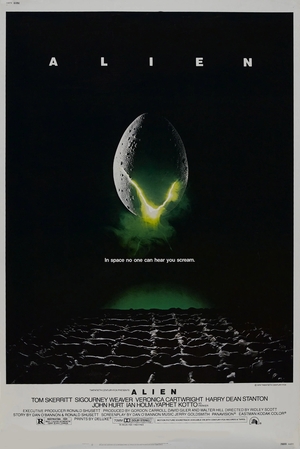
Nevertheless, in 2001: A Space Odyssey, the spacesuits are clean and neat, reflecting minimalism and technological progress. However, if we want to explore what comes next, we must dive into the world of industrialism, grime, and bulkiness found in the 1979 film Alien—that is where we will actually get to see the costume of a working person.
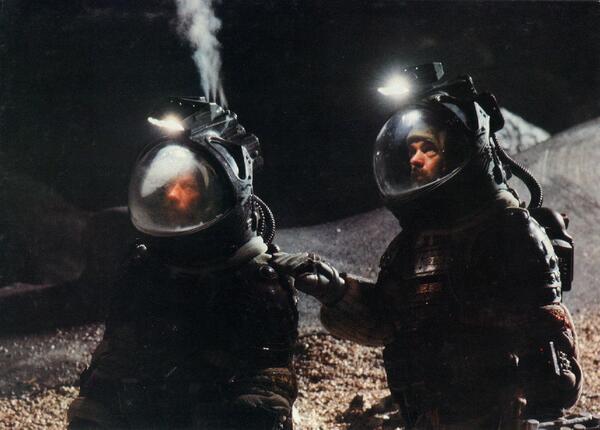
What immediately stands out? For example, the suit significantly increases the wearer’s silhouette, creating the effect of a protective cocoon. It features additional protective elements (shoulder pads, leg guards, gloves), as well as various hoses and other detailed components that add further bulk and weight to the entire spacesuit.
The suit itself is perceived as a complex assembly of individual components; the construction becomes part of the aesthetic, and the technical details are not hidden—they are emphasized.
One interesting source of inspiration for Hans Rudiger Geiger when creating the suit image was vintage diving equipment. The large helmet, transparent visor, and visual massiveness of the suit evoke the association of a person immersed in an unfamiliar and dangerous environment.
The design also shows references to Japanese armor: the segmentation, the individual protective zones, and the sense of an armored shell. Geiger himself noted the similarity between the suits and Japanese armor, as well as diver equipment.
Thus, it can be said that the 1970s generally influenced the industrialization of the spacesuit image—and the next stage of development is precisely proof of that.