Index
Concept
1. What I Watch and How?
2. Six Types of the Mundane
3. How Is This Different from Art?
4. Advertising: When the Ordinary Sells
5. Film: Three Frames
Conclusion
Concept
This research is about things no one has made beautiful. Flowers in a bucket for sale at the bus station, a trash bag inflated by the wind into a ball, a patch of sunlight on a wall creeping across wallpaper in half an hour, the shadow of a grate on the asphalt, peeling paint, a crack in the plaster. Sometimes it is a chair by the entrance. These things aren’t meant to be looked at, and yet often there is something in them that elicits aesthetic pleasure.I notice such things constantly and want to understand what captures them—without this, they cannot be consciously used. For a designer, this is a working question, because the ability to select the ordinary and present it in a way that draws attention is necessary in any visual work.The topic is within the framework of the course. The work is based on the course themes «The Beautiful (in various genres),» «The Measure of Taste,» and «Aesthetic Ideas in Art.» The topic is grounded in specific materials: the mundane urban environment, photography, 20th–21st-century advertising and cinema, and the author’s own photographs.
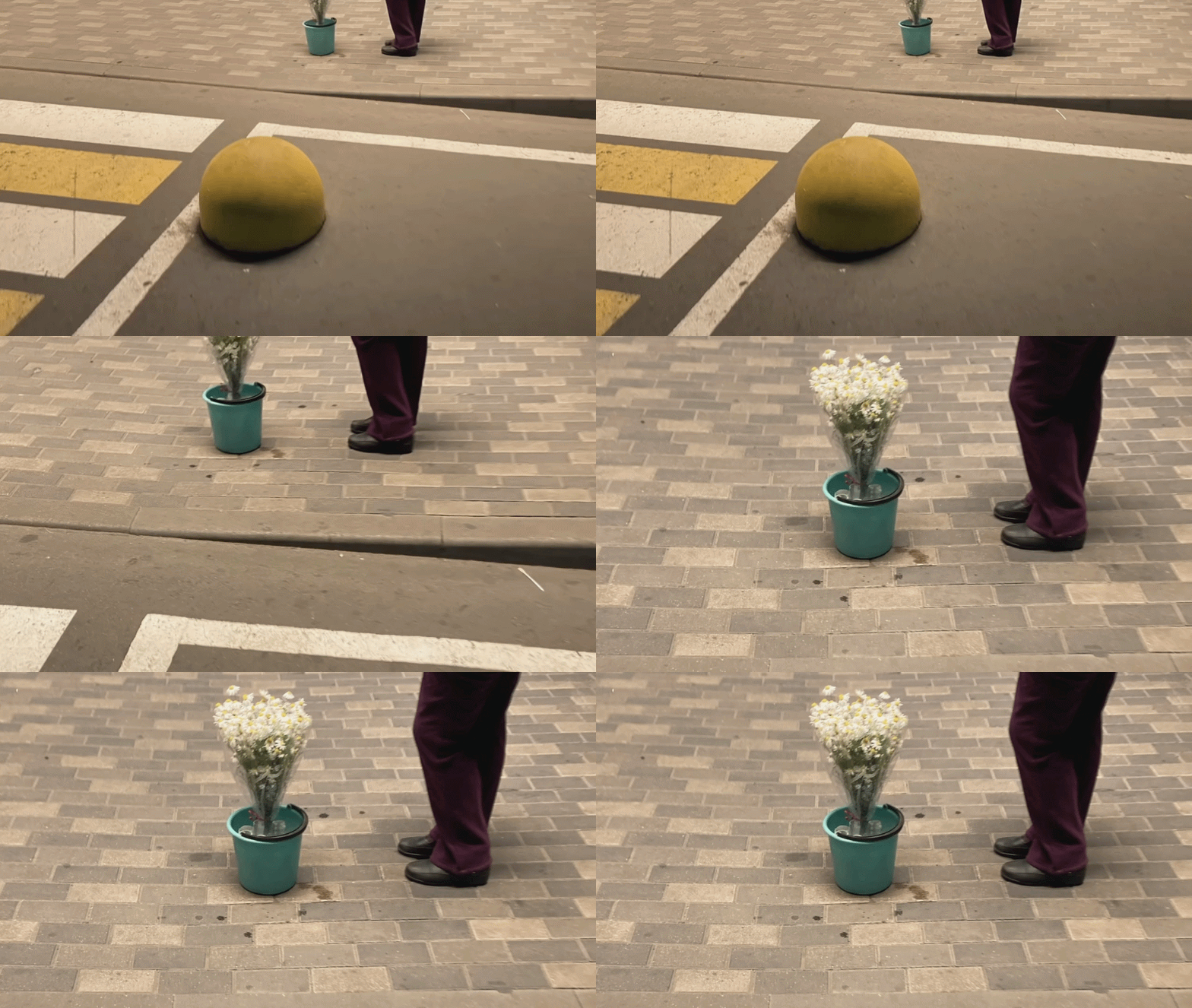
Photo series «Flowers at the Train Station» by Ernest Kakitaev, 2025
The study is rooted in Kant’s ideas: how we perceive an object and the four criteria of the beautiful. From these, I developed four questions that I pose to every piece of work.The process then followed a standard workflow: first, I photographed without premeditation or staging; then, I analyzed the images, comparing them to other artists' work—what is in the frame, where the camera is looking from, how the light falls, what the surface reveals, and how long the subject remains in the shot. I also analyzed advertising separately; in advertising, the mundane is intentionally transformed into an image, whereas in my work, I discover it.
«Conscious through the unconscious»: you notice it immediately, you understand it later.
In all six types, in advertising, and in cinema, the same thing is evident: time is visible in the frame. The sun slips off the wall, paint peels, a person has just left, the pineapple is spoiled, the burger is covered in mold.The ordinary becomes compelling when we can see that it is passing. Kant called time, along with space, a form through which we perceive the world in general, and perhaps this is no accident. There is no need to explain such a shot with a caption—the viewer completes the thought.This is the origin of the subtitle «Awareness Through Unawareness»: you notice it immediately, and you understand it later.
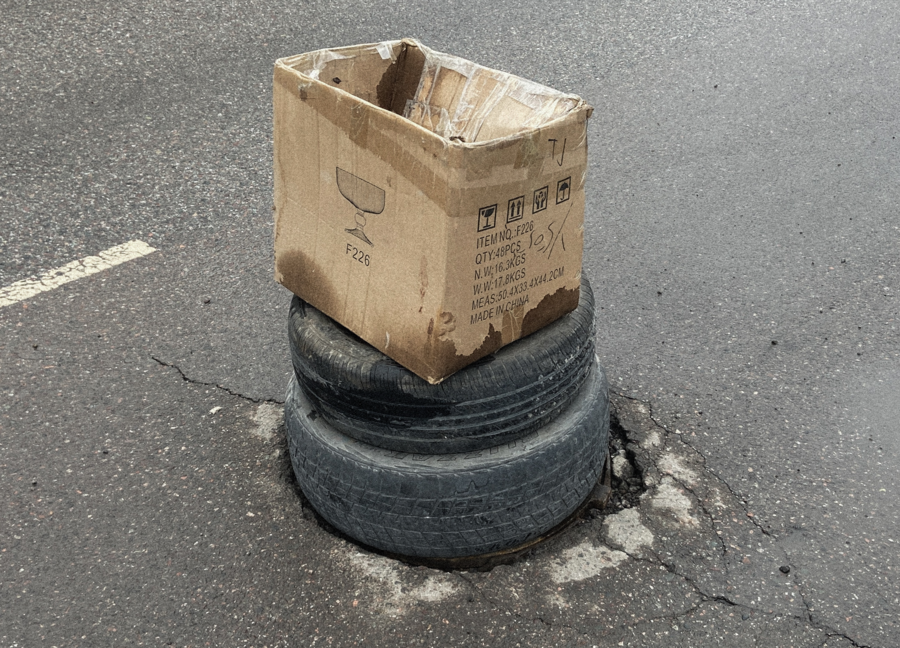
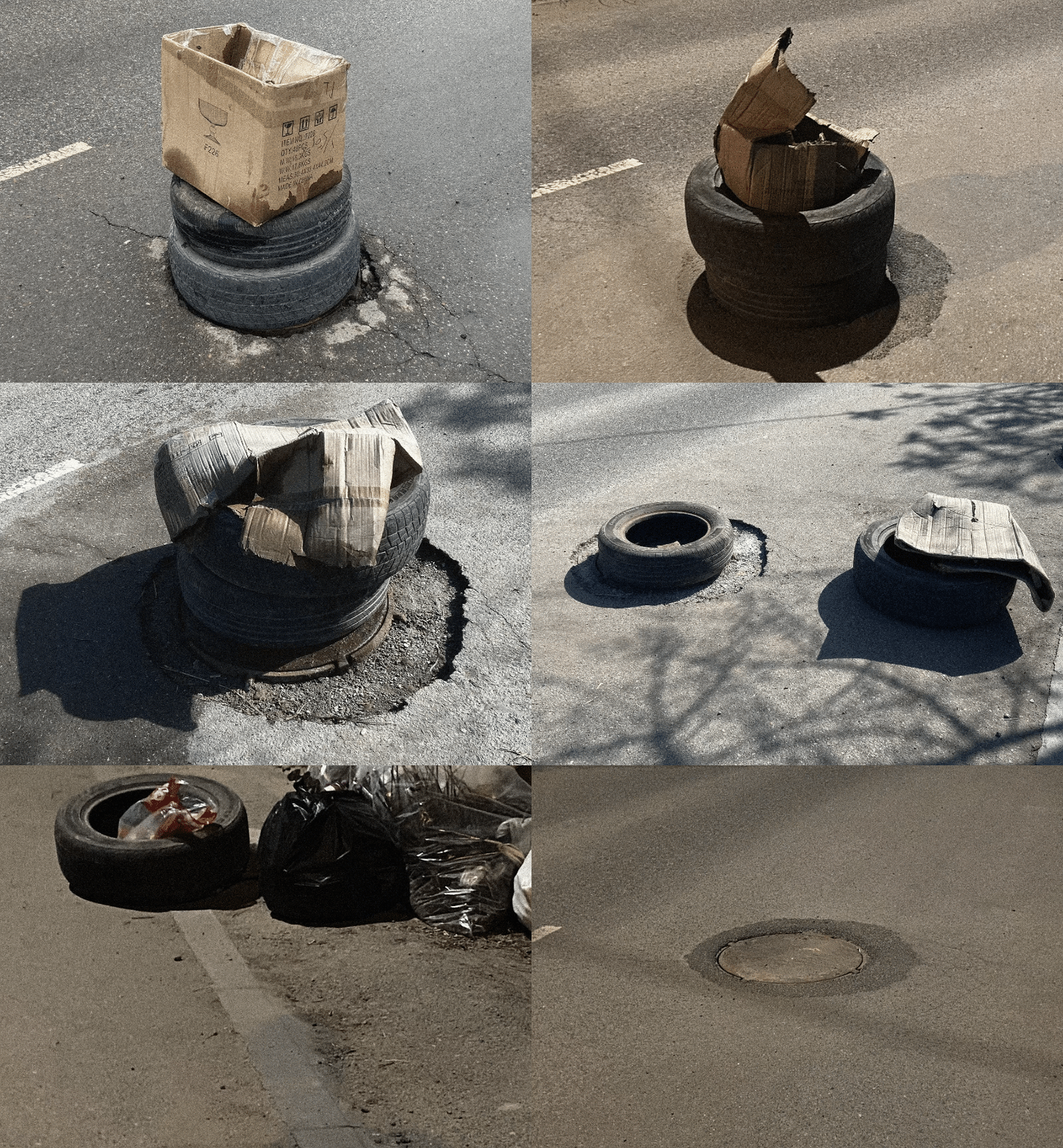
«Here It Is, ” Photo Series by Ernest Kakitaev, 2025
1. What I Watch and How?
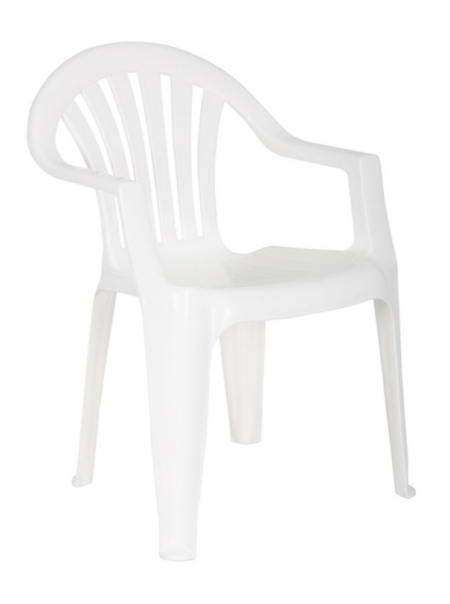
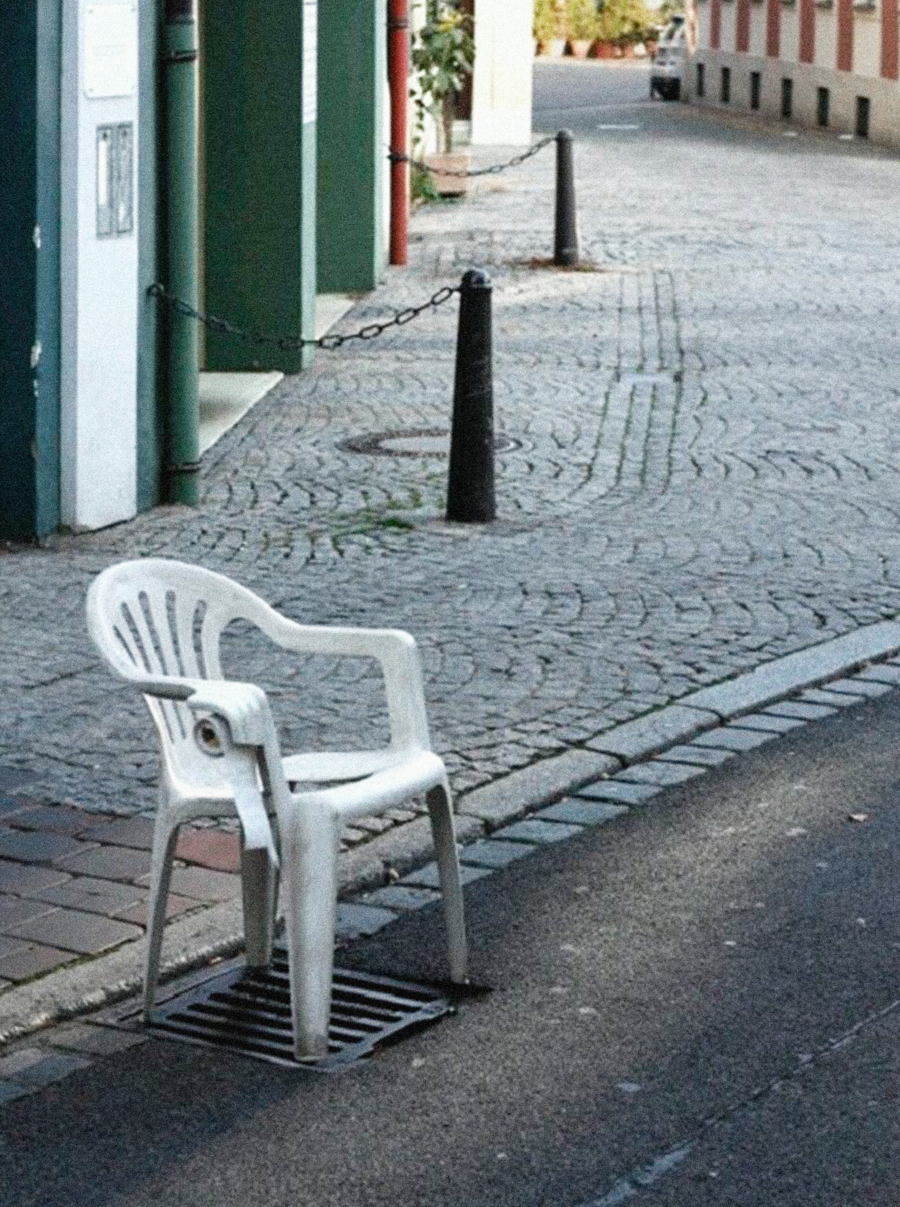
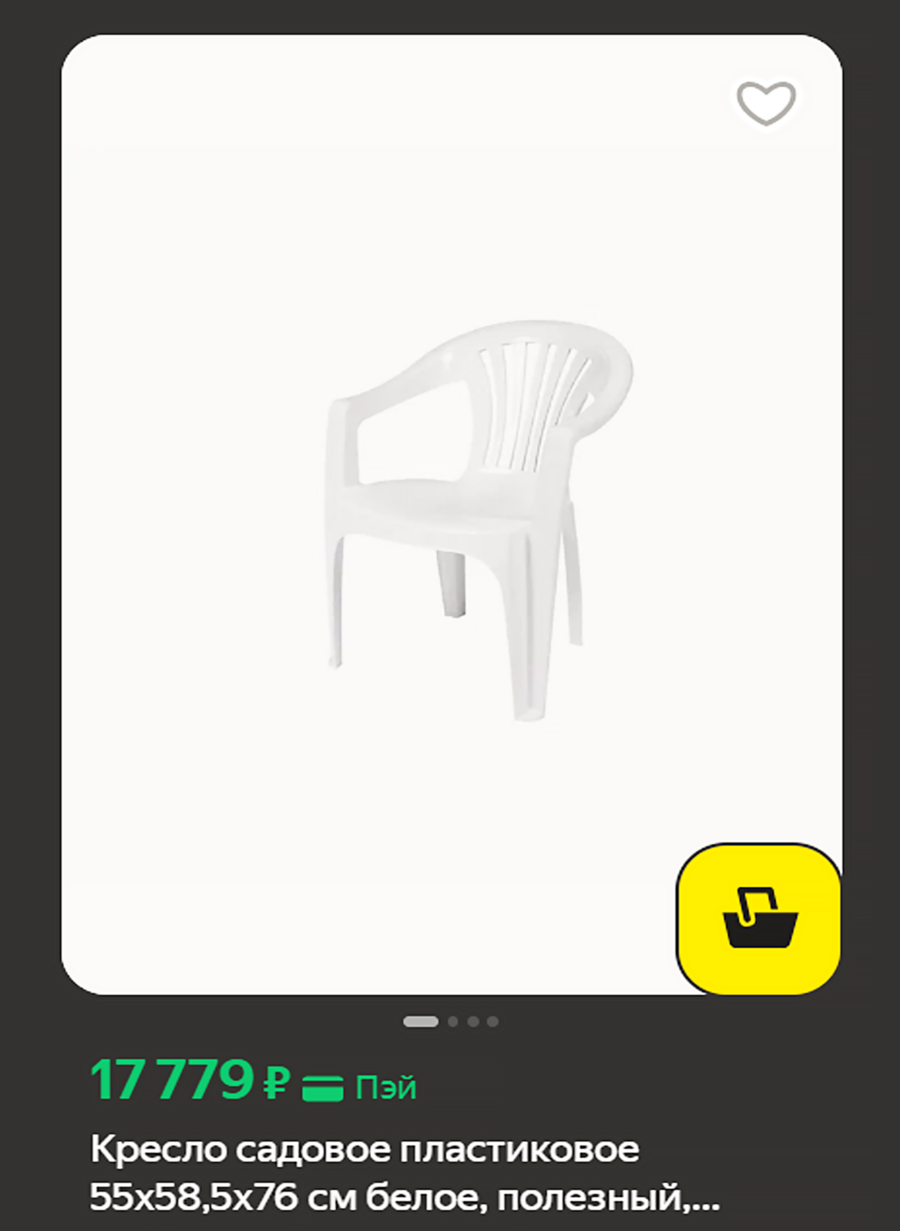
A plastic chair in an unexpected place. White, ordinary. It wasn’t there yesterday. Someone took it out to throw away, or put it down for a minute and forgot about it.
You walk past something like this without looking. The reason isn’t that the chair is bad. The word «chair» triggers instantly and overrides everything else.
Feelings take the form, color, and spatial positioning; the mind gathers them into a single object and hangs the concept of «chair» upon it. After that, you stop looking. You see the concept, not the thing.
Aesthetic viewing begins when the concept momentarily disconnects. The chair ceases to be «an object to sit on» and becomes a white form with empty space surrounding it. This is the moment the frame is created.
Образ
Вещь
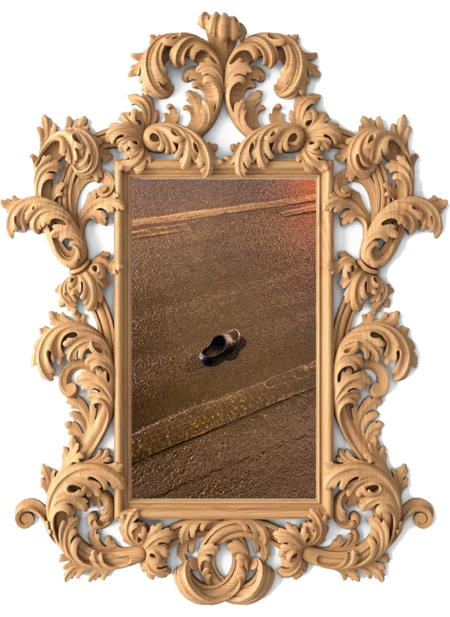
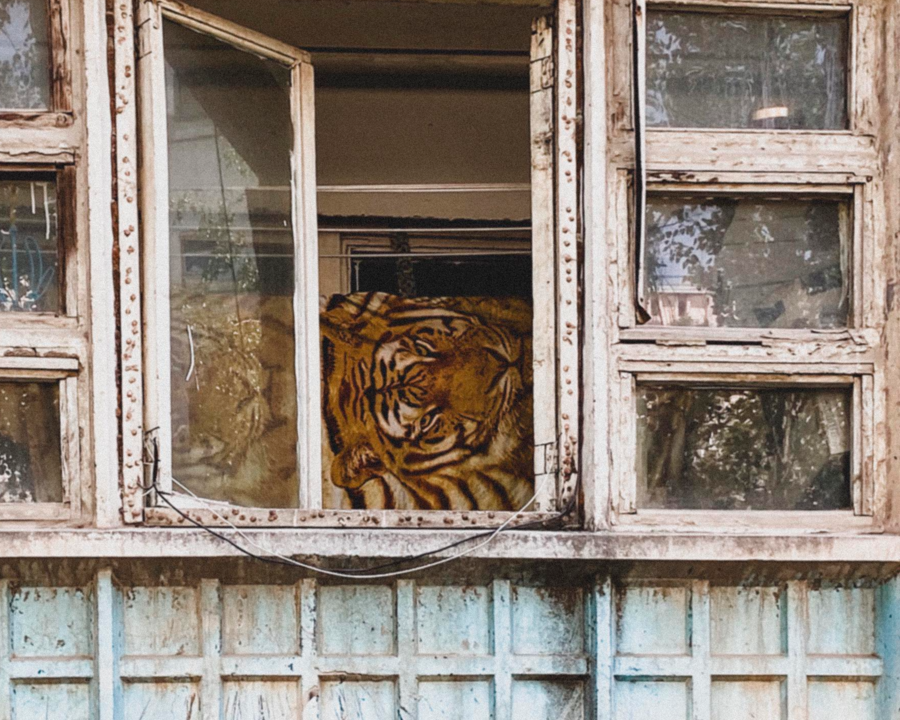
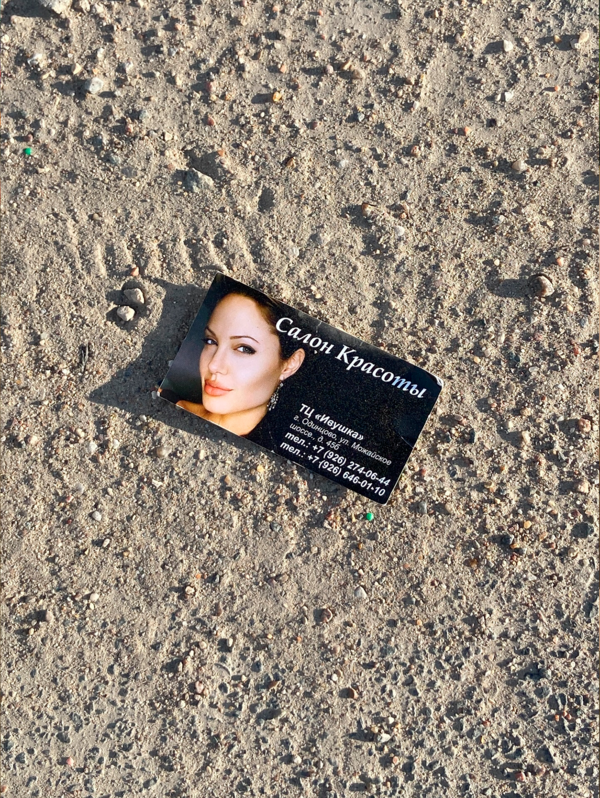
Kant describes the beautiful through four characteristics. These characteristics yield four questions that are subsequently posed to each example in the work.1. Do I need this object? If the answer is no, but I still want to look at it, the first characteristic is met. 2. Can it be proven that this is beautiful? No, and that’s how it should be: the beautiful is conceived as universal, but without a concept—and therefore without proof. 3. What is the purpose of this form? The object looks like it was made for something, but there is no answer. 4. Will someone else agree? You show the frame and wait for the person to see the same thing. The beautiful is liked «necessarily»: we count on the agreement of others.
«Тигр», Эрнест Какитаев, 2022 г.
«Визитка», Эрнест Какитаев, 2026 г.
Disclaimer. Kant wrote about nature and art—about chairs, and he didn’t write about chance findings. Here, it functions as a guideline, not a strict law. There is a second issue: he discusses form, but what often draws us in is the story of the object (who it belonged to, why it was discarded).
«Conscious through the unconscious» means the following: the frame is chosen consciously, but what specifically caught your eye in it, you realize later. Therefore, the shooting comes first in the work, and the analysis follows afterward.
2. Six Types of the Mundane
Every frame in this work belongs to one of five types, or several simultaneously. Below is each type: what it is, whose example it is, what to look for, and what images to use.
2.1. Abandoned
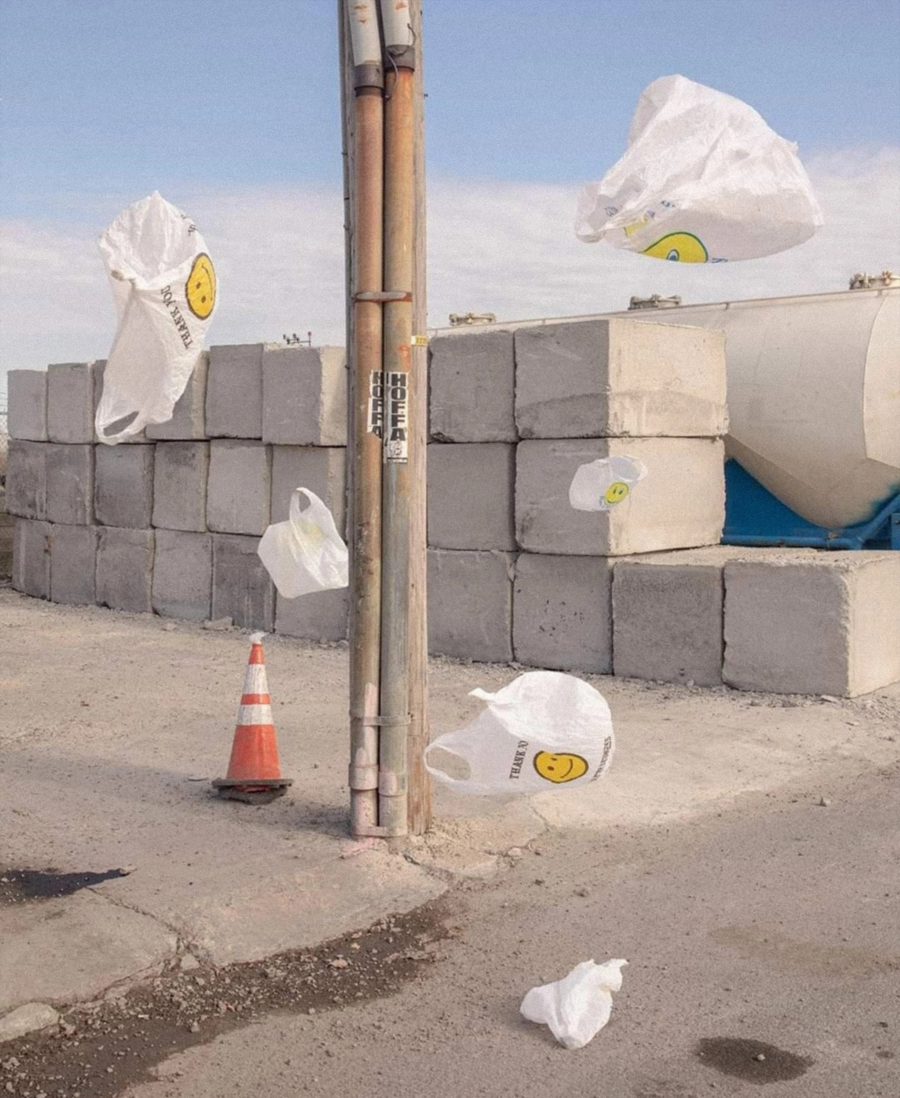
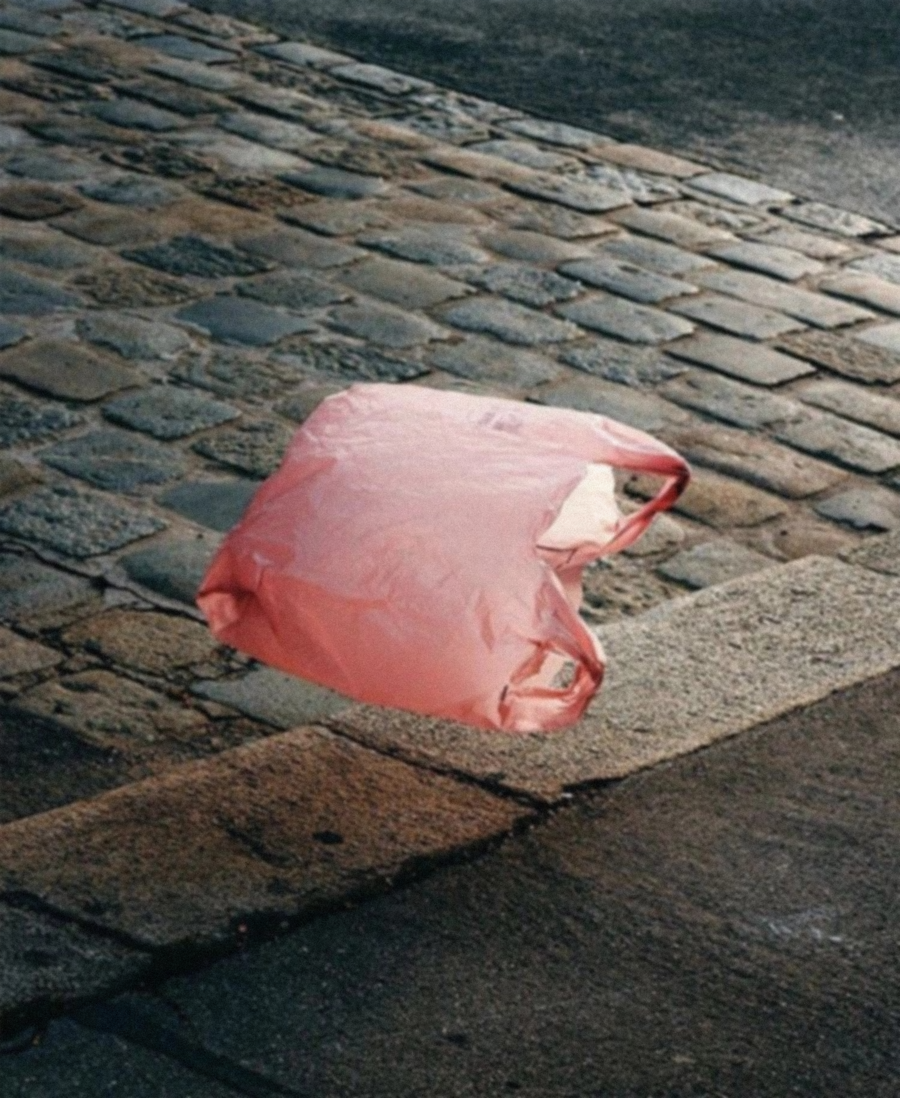
The flying packages float carefree through the city. The thing is obsolete, and now it is visible: while the thing is working, you don’t look at it.
Still from «American Beauty» with a package (scene from the video recording)
A prime example on screen is in the film American Beauty (Sam Mendes, 1999), where a character shows a video of a plastic bag tumbling in the wind in a yard and presents it as the most profound thing he has ever seen. The bag there is not trash; it is an actor—it has movement, light, and wind. It is the same for the author: a bag in a pile is simply garbage, but a bag on a branch with the sun catching its folds is already a frame. Trash only grabs attention when it has light or movement.Shklovsky, in his article «Art as Device» (1917), wrote that the familiar ceases to be felt, and art is necessary to restore visibility to things. An abandoned object achieves this without art: while the bag contains groceries, it is invisible; when it flies without function, it is visible. But abandoned on its own, it remains trash. For a frame to succeed, something more from the following four types is needed.
2.2. Light and Shadow
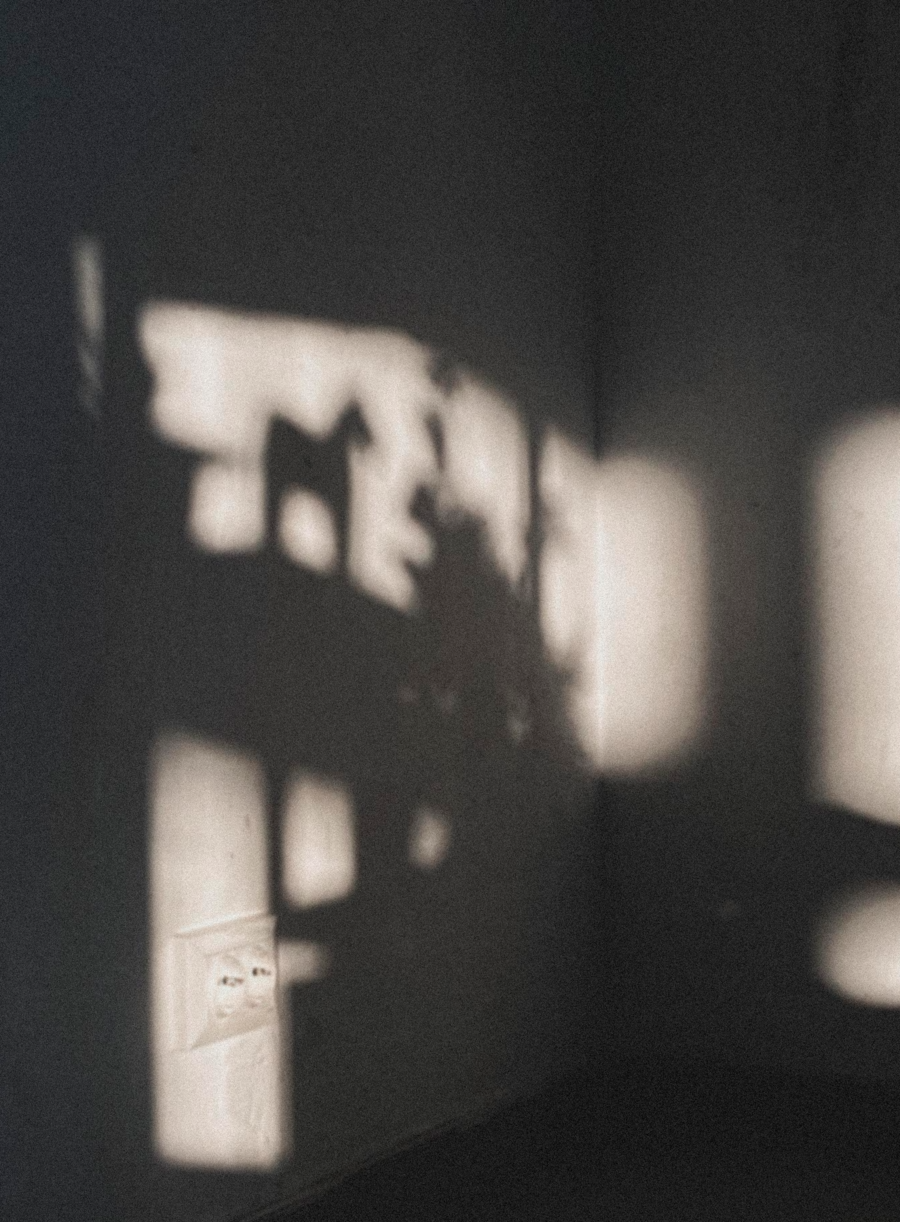
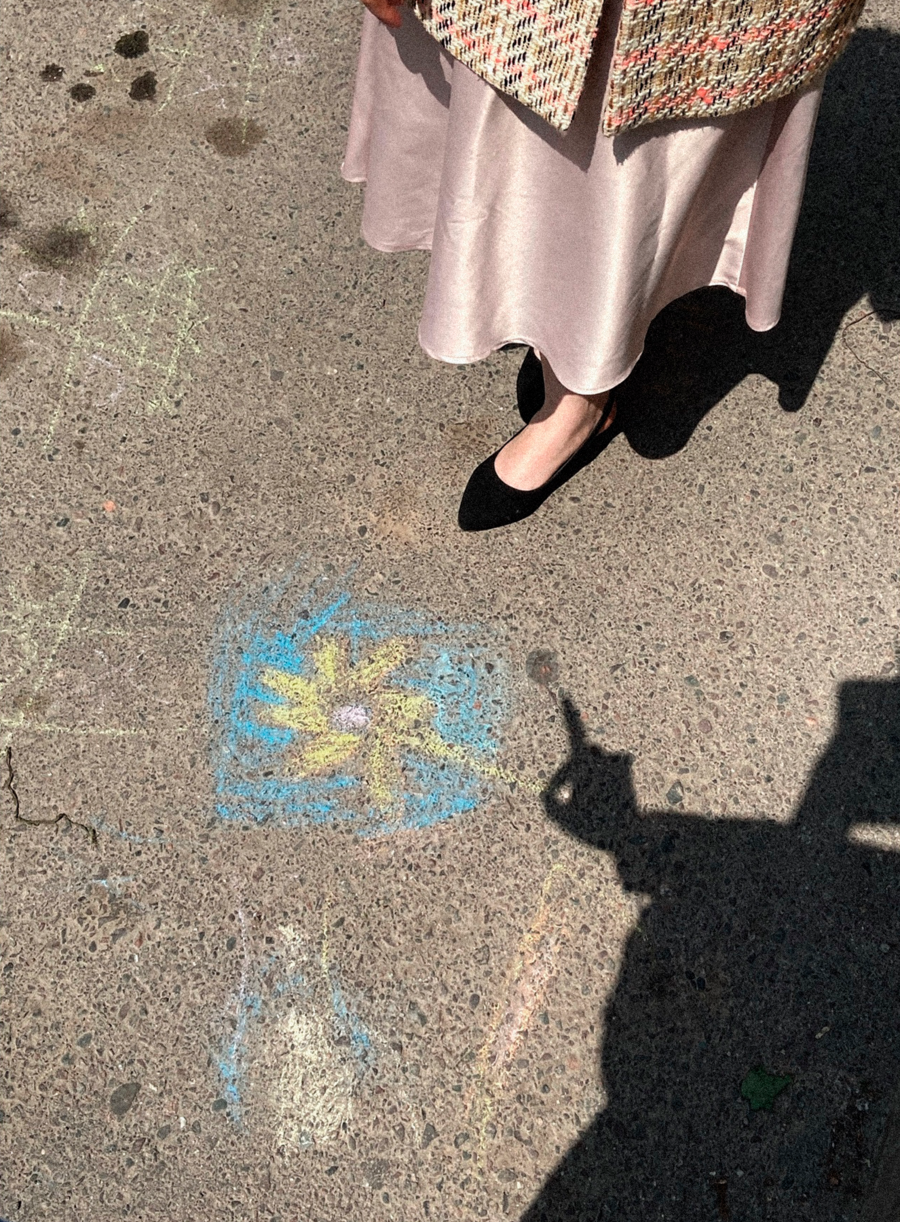
Left: «Art Sketch,» 2023 Right: «Magic Flower,» 2022 Ernest Kakitaev
A patch of sunlight on the wall, a shadow from a small statue, a reflection in a display window.
In Edward Hopper’s painting, «Sunlight in an Empty Room, ” he leaves the room nearly bare, showing only patches of light on the wall and floor. There are no people, almost no objects—light becomes the protagonist. The same happens with an ordinary wall in the author’s work: until the sun arrives, it is a dull wall; but when it does, it becomes the main focus of the frame. Since such a patch of light lasts only a few minutes, the author photographs it in a series—one shot every few minutes.
Edward Hopper, «Sun in an Empty Room,» 1963
2.3. Surface and Time
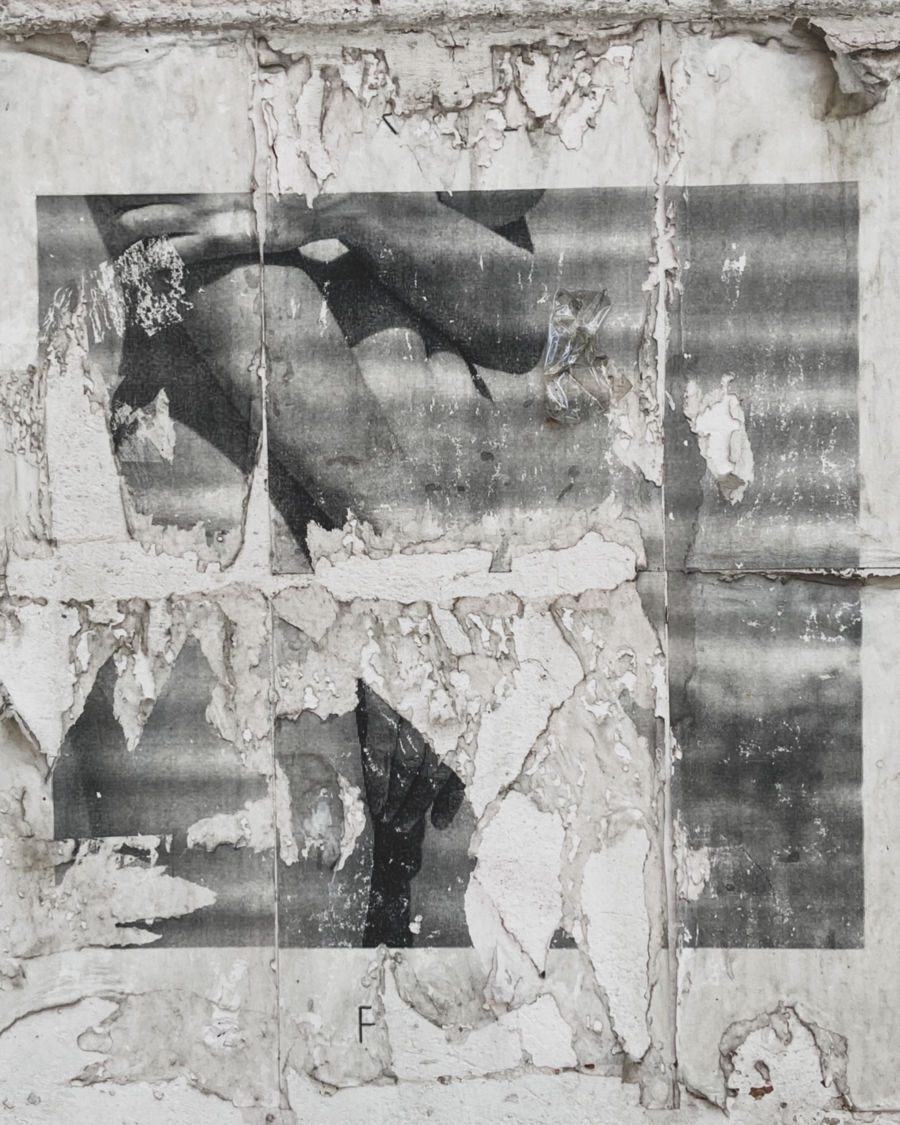
«Fight,» Ernest Kakitaev, 2025
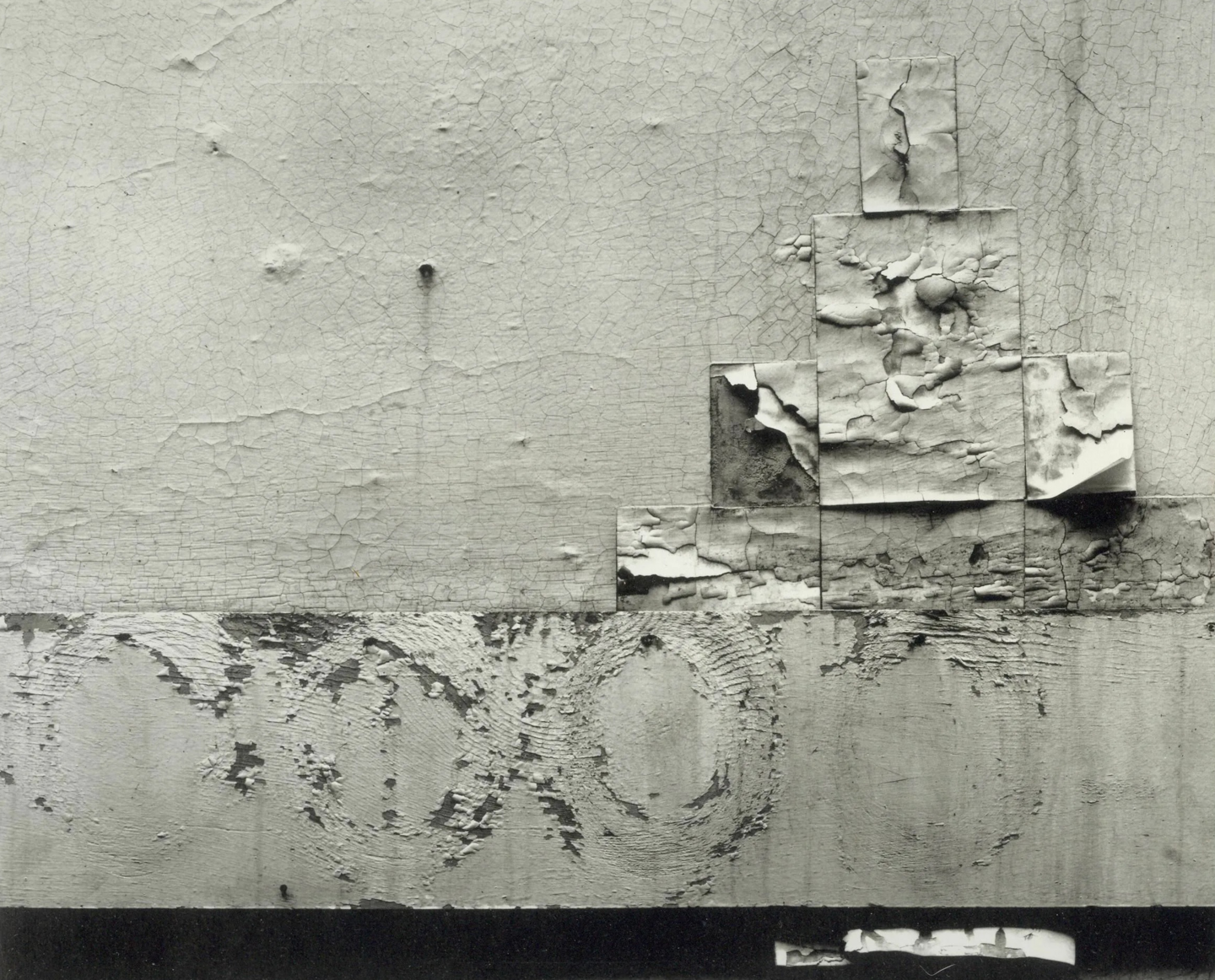
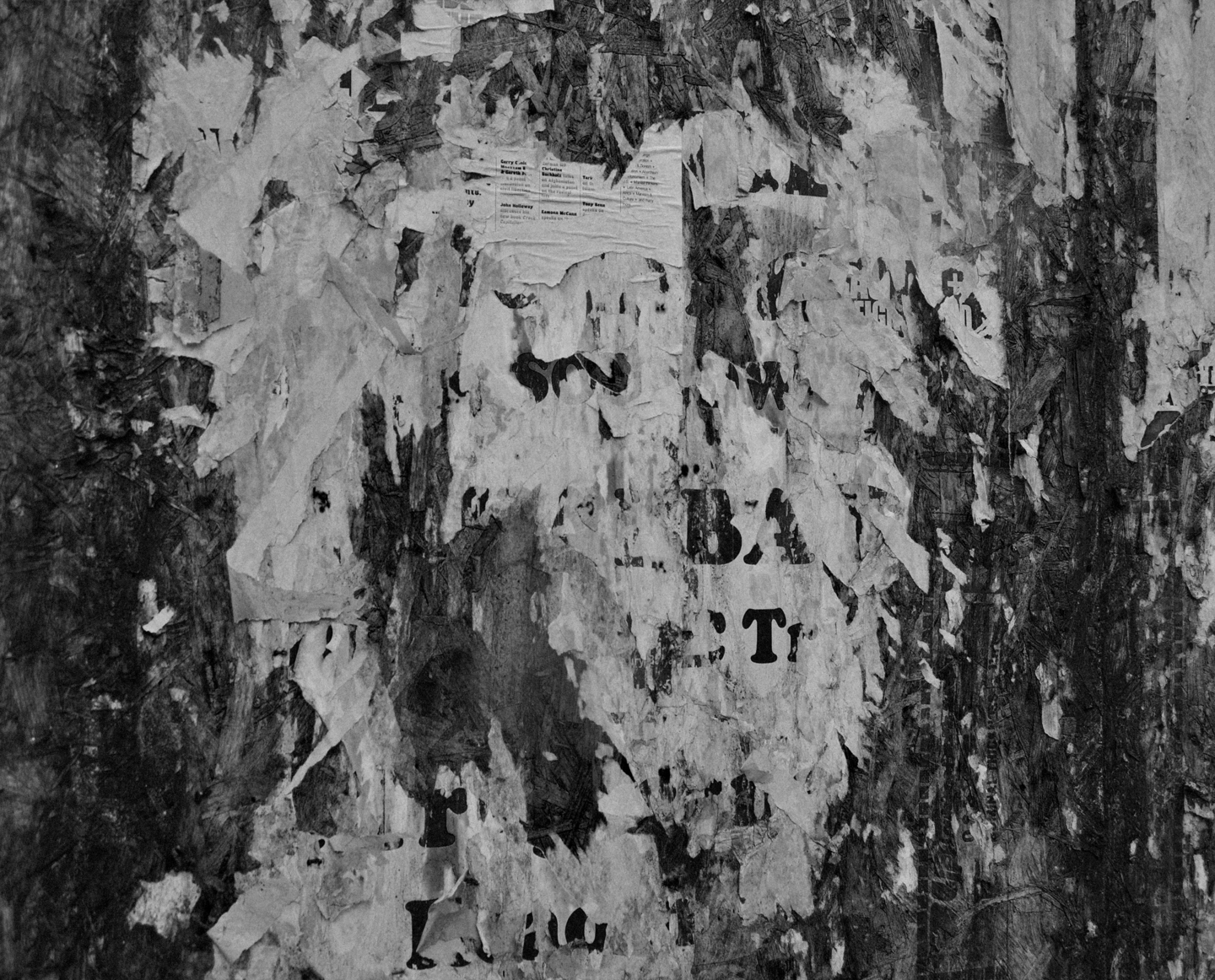
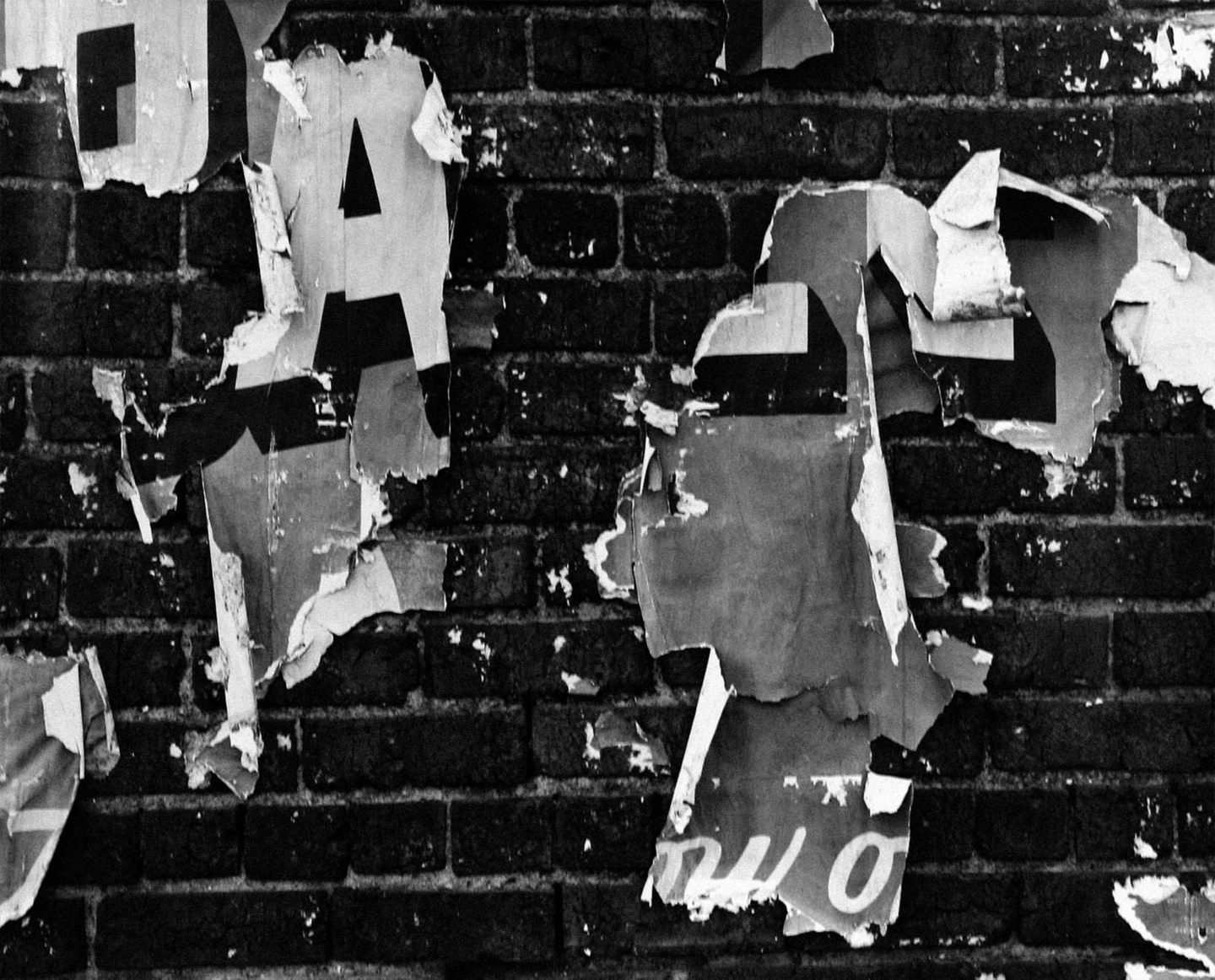
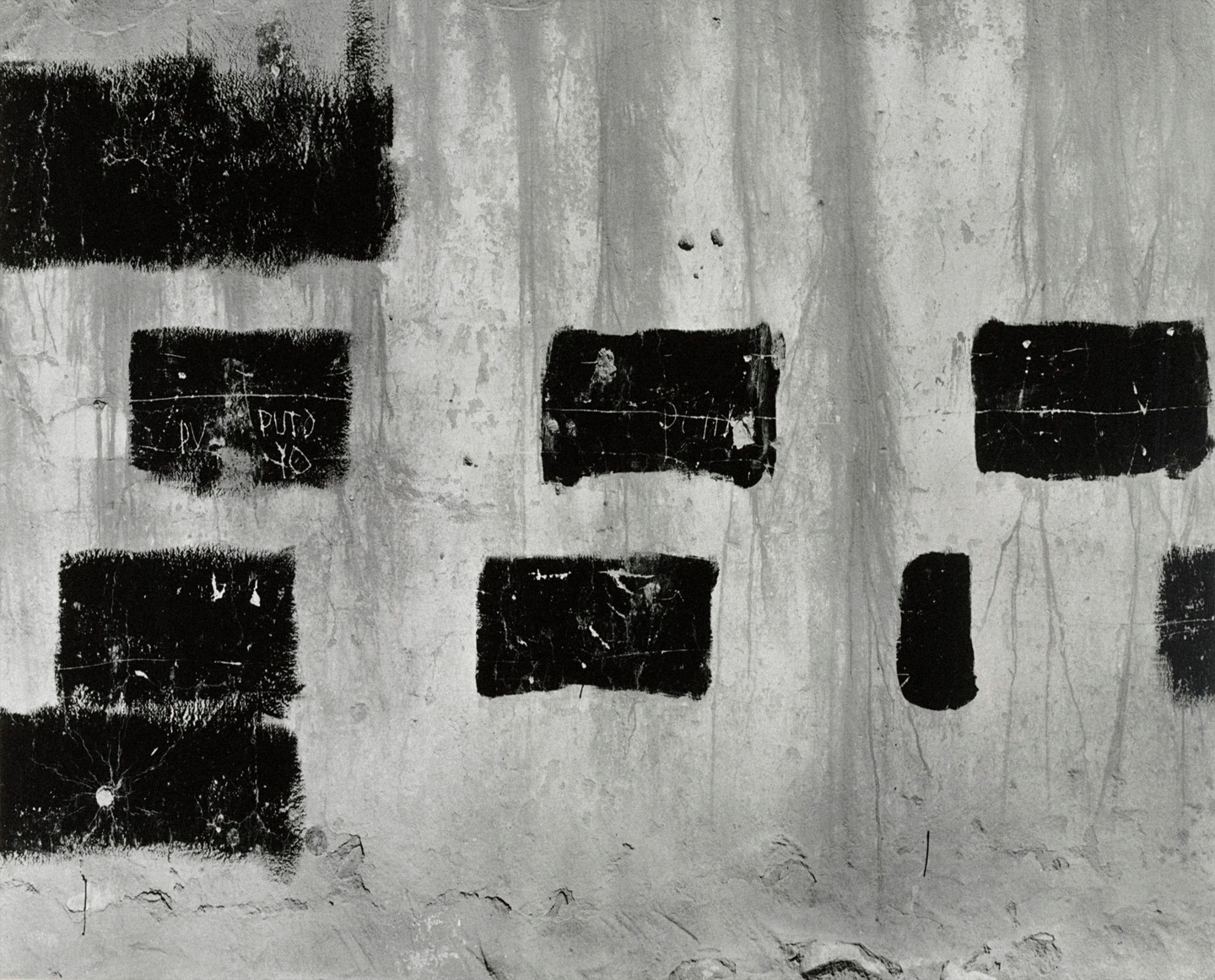
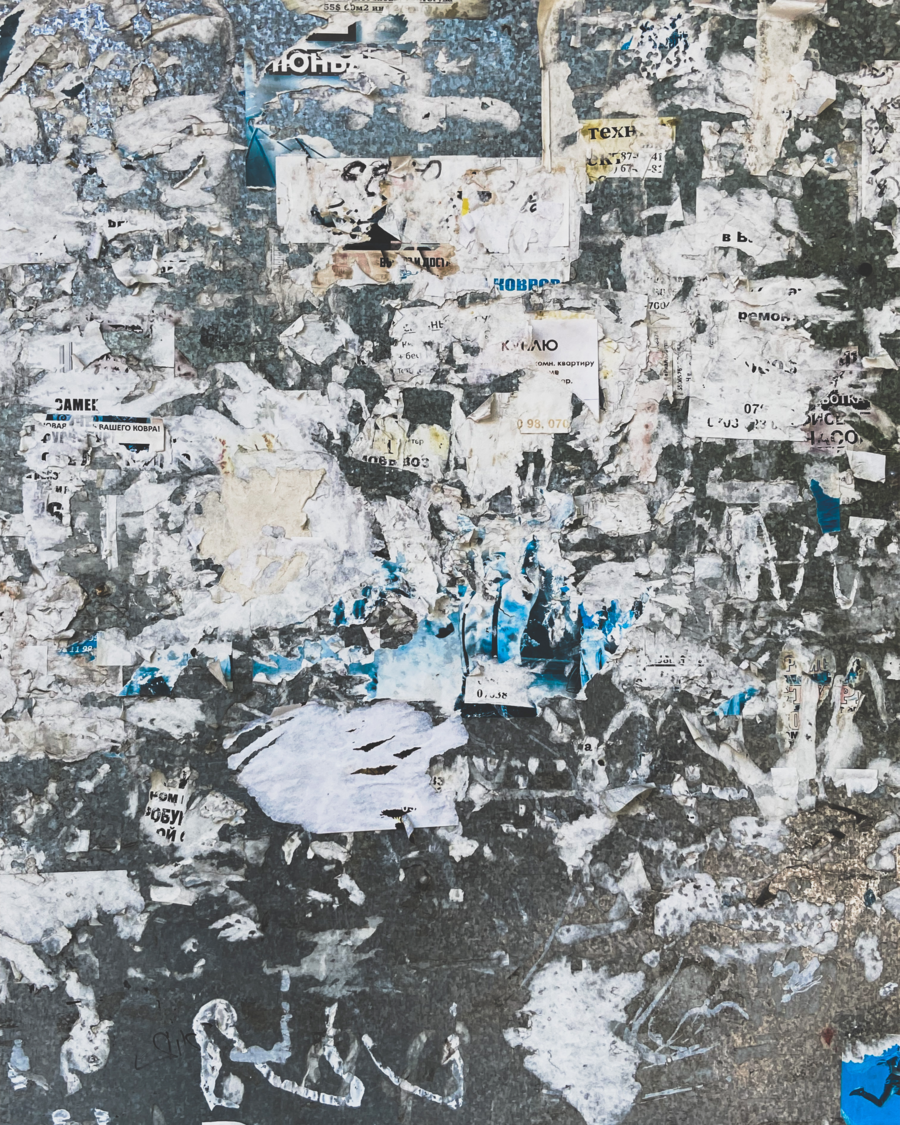
Wall texture, peeling paint, drips, rust, plaster cracks.The surface carries the weight of time. The paint layer in the crack reveals that this area has been painted multiple times; a rusted drip indicates where water flows. The cobweb is only visible when light hits it at an angle—without light, it ceases to exist; with light, it is the only element in the frame.American photographer Aaron Siskind, since the 1940s, photographed peeling walls and remnants of inscriptions so closely that they transformed into abstract painting: the concrete subject (the wall) transitioned into the non-objective (the spots and lines).I do the same: I approach until everything superfluous disappears.