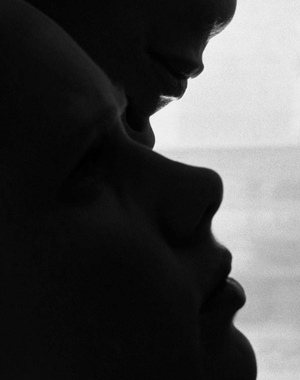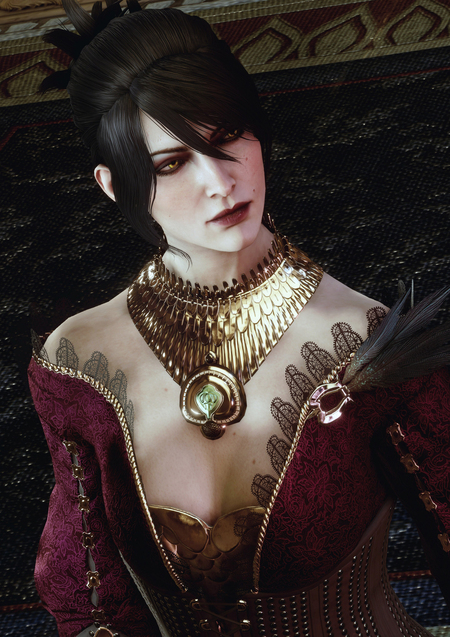
Working with space has become one of the key leitmotifs of contemporary art. The opposition between nature and humanity is reflected in all of 20th-century art. When virtual space emerged, this conflict evolved into the real and unreal, giving birth to art objects that imitate nature through modern technologies.
Interaction with the viewer is another crucial aspect of contemporary art. The object-subject relationship between the artwork and the human being transforms into an attraction of emotions, thoughts, and interpretations.
Games and their spaces—perfect interactive works of art.
Virtual reality represents the next evolution in artists' explorations of space. It fundamentally addresses the issues of player (viewer) interaction with reality—in this case, an artificial reality that does not exist in the person’s physical environment.
Typically, the virtual space of computer games is perceived as a backdrop to the gameplay; however, a significant body of artists utilizes these environments as settings for their visual statements through integrated photo modes or third-party applications.
[01] Realistic Aesthetics of Virtual Spaces
The most accessible way to take in-game photos is through the photo mode built into most modern, large-scale games. This mode typically provides basic tools for creating conventionally beautiful screenshots: camera positioning settings, lighting controls, and a «frozen frame» effect.
The graphics in «AAA titles» (high-budget projects) are highly realistic. This is what is usually meant by informal «high fidelity graphics.» The ability to capture a striking image in such games is a standard marketing tactic. Players create beautiful shots and demonstrate the game’s graphical capabilities, which, in turn, the companies use in advertising these products. It’s a win-win strategy.
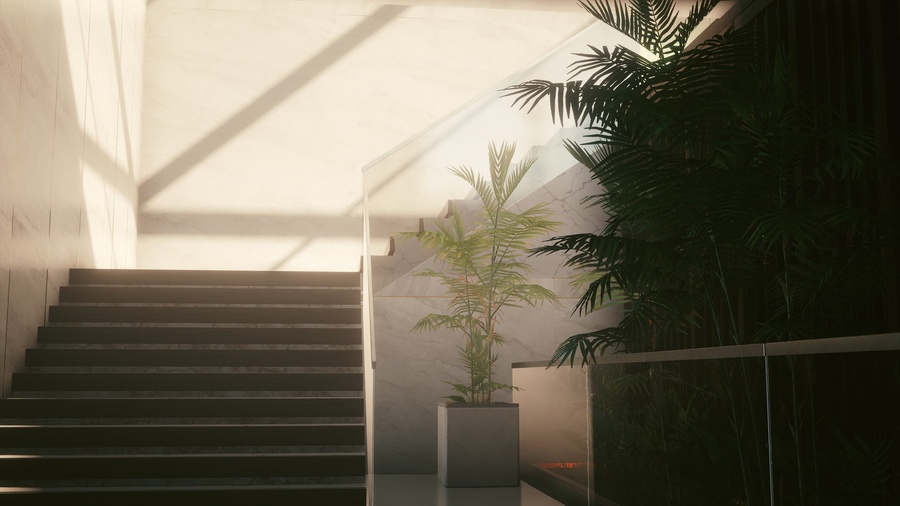
Cyberpunk 2077, Dmitry Zaitsev
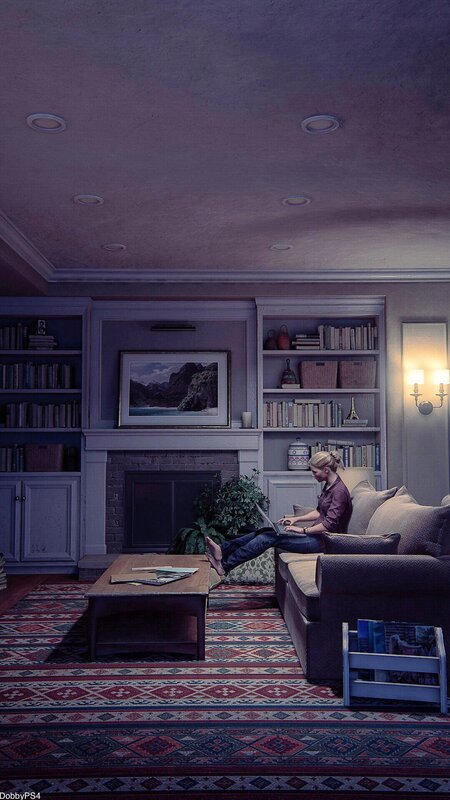

Uncharted 4, ItsDVP
Watch Dogs Legion, Valery Korneev
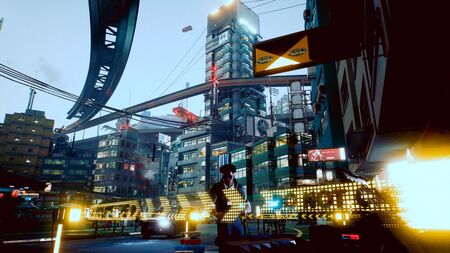
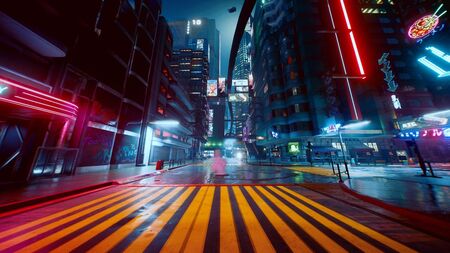
Cyberpunk 2077, Evgeny Feldman
The Last of Us, Evgeny Feldman
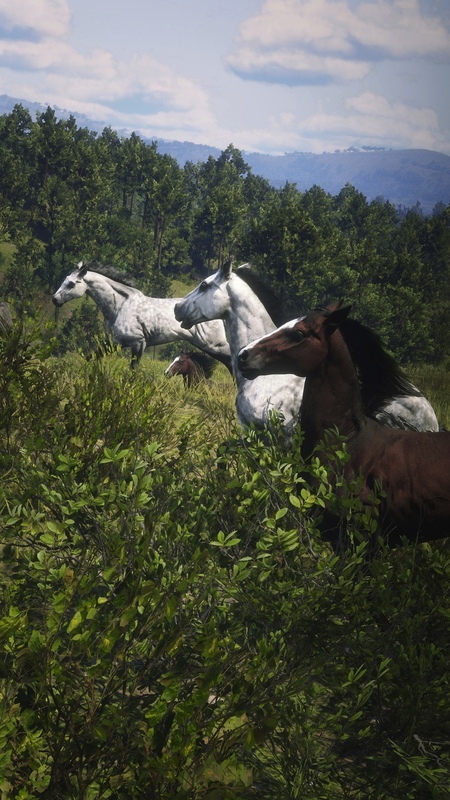
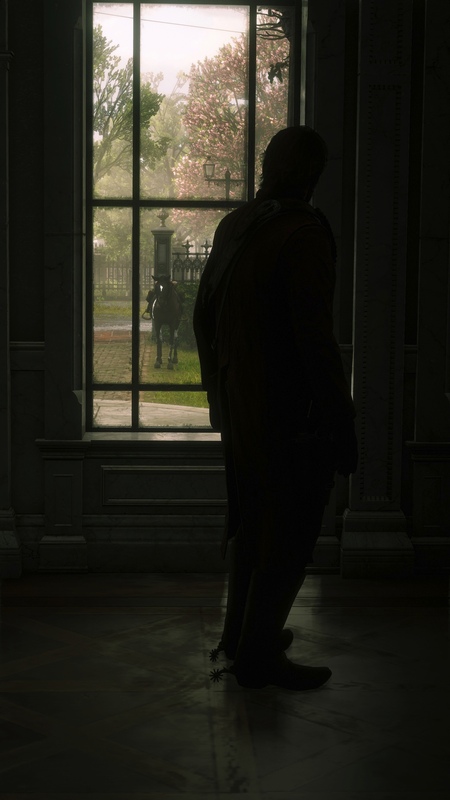
Red Dead Redemption 2, Sergey Khramtsov
Death Stranding, Yana Isaeva
When the standard photo mode becomes tiresome, users turn to third-party software. These tools allow users to fine-tune shaders, incorporate advanced lighting and texture parameters, dive deep into the game itself, and construct the perfect shot like a complex building block kit. It is at this stage that in-game photographers begin blurring the line between «real and unreal, ” creating images that are possible only within virtuality.
Here, you might encounter deliberate geometric composition, subtle artifacts, or visual effects that would normally be applied in graphic editing software to conventional photographs. Violations of real-world physics, manipulation of spatial atmosphere, unique lighting schemes, or even an intentional emphasis on the digital nature of the image—these are the favored techniques of in-game photographers who utilize external programs.
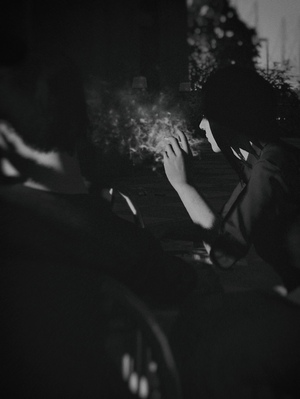
Watch Dogs 2, Cluio
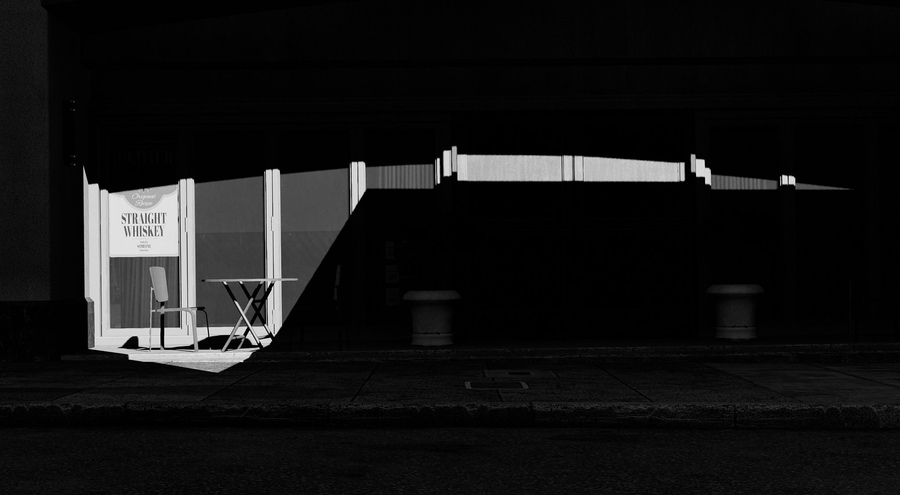
The Witcher 3: Wild Hunt, TeoTave
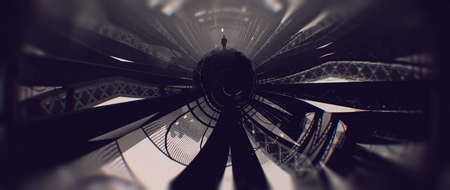
Grand Theft Auto IV, Zift
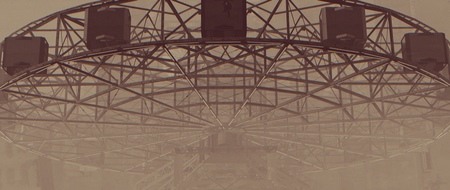
Watch Dogs, One3rd
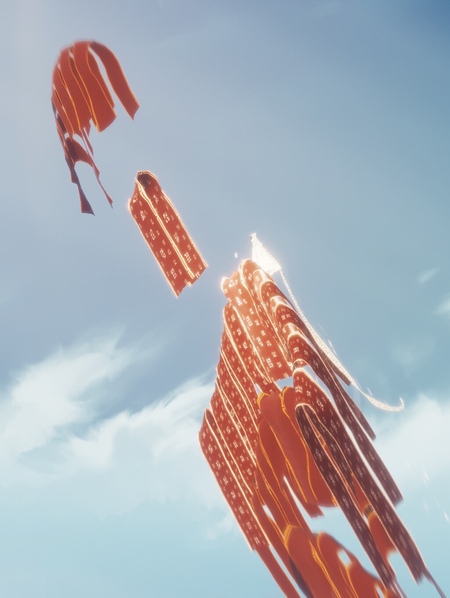
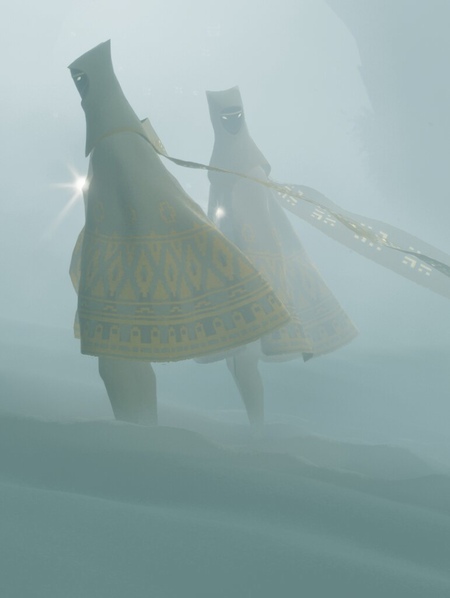
Journey, Yana Isaeva
Horizon Zero Dawn, moK bÄr
[02] Juxtaposing the Virtual and the Real
Another category in in-game photography is old games. Previously, developers avoided detailed models and high-resolution textures because the processing power of gaming computers and consoles was insufficient to render all three-dimensional objects on screen. These angular, awkward game models evoke strong nostalgia in people who grew up during a time when the mere presence of volume in a game was a significant sensation among players.
However, not all «blocky» games are old. The trend of nostalgia has given rise to a movement toward simplified graphics in contemporary «indie games» (low-budget projects from small studios), forging a unique aesthetic. From a modern perspective, these games appear not only nostalgic but also conceptual—the low level of graphic detail amidst everyday narratives raises the question: «Must something look exactly real for a person to feel empathy toward it?»
Umurangi Generation, Anfisa Turchina
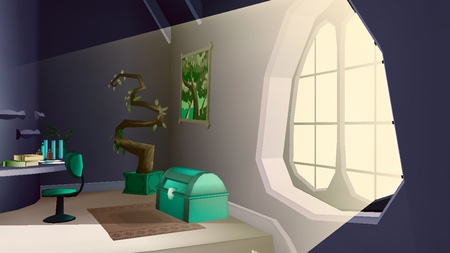
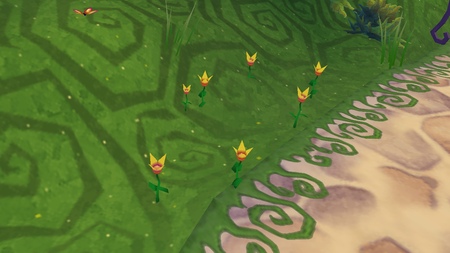
Winx Club, Fleur Harmoni
Secret Agent Barbie, Egor Chernykh
Meadow, Yana Isaeva
Grand Theft Auto: San Andreas, Timur Gaynutdinov
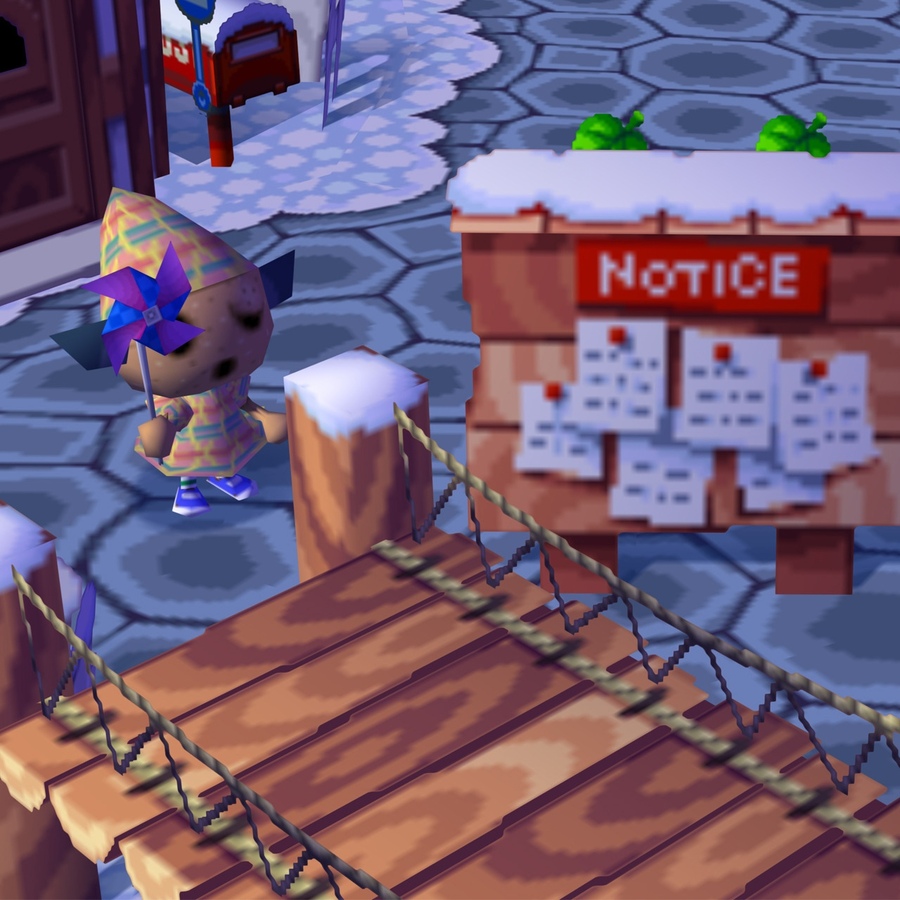
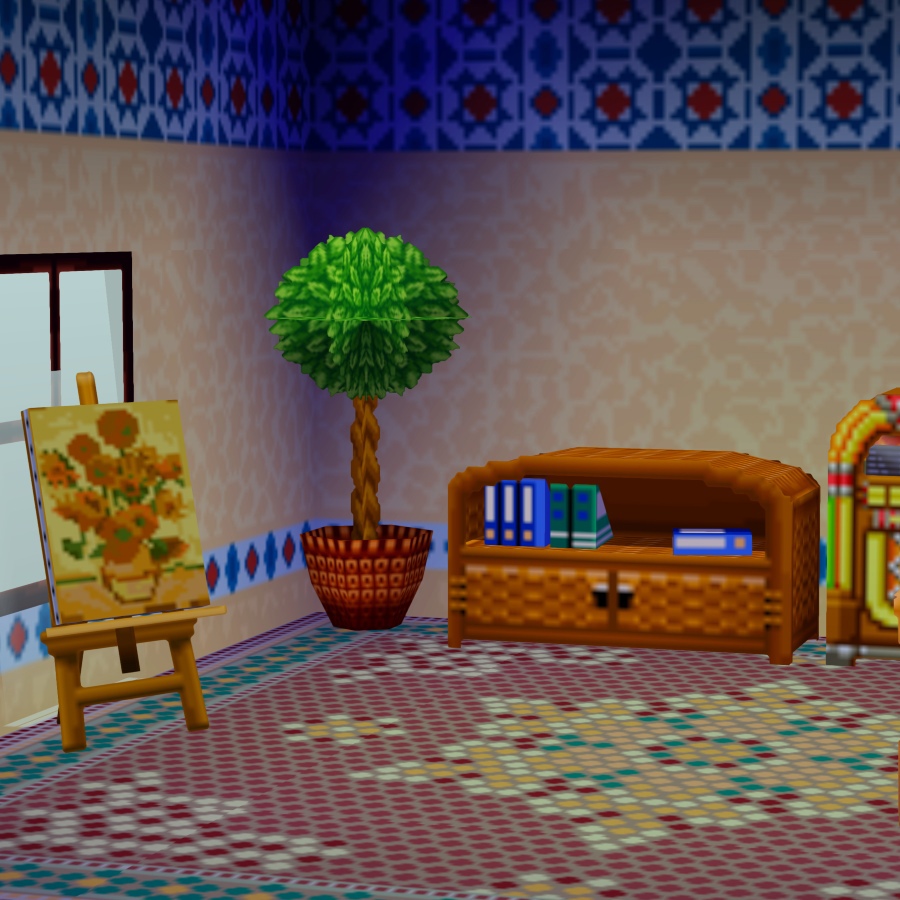

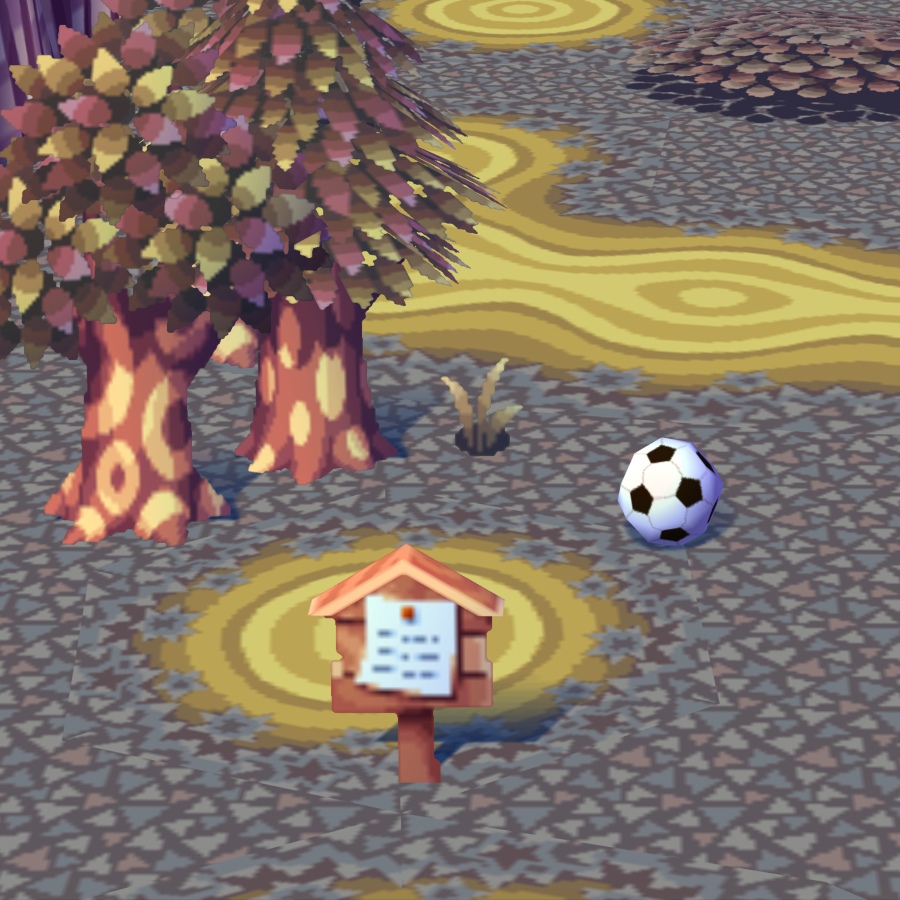
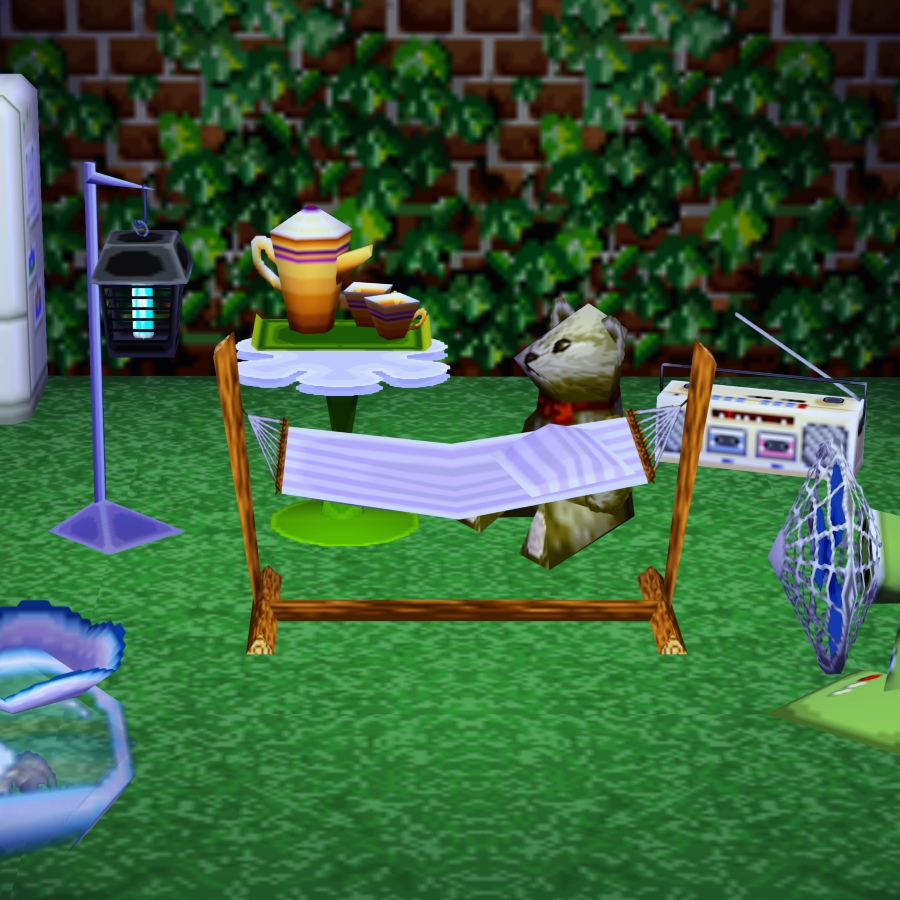
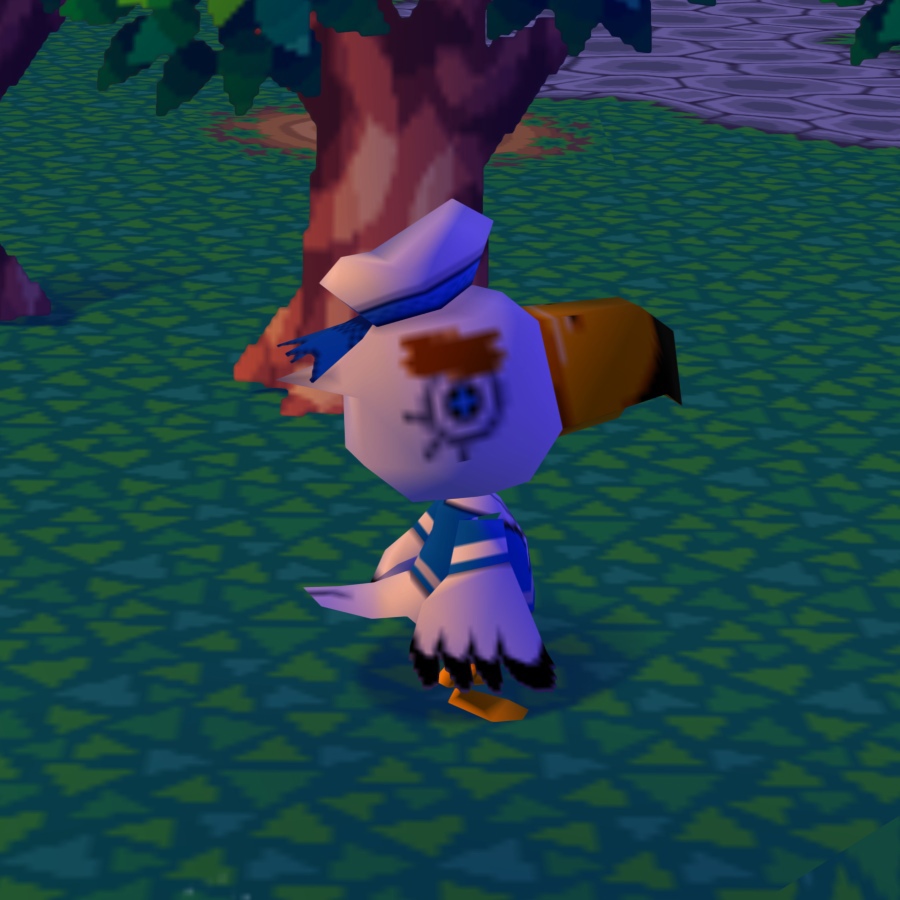
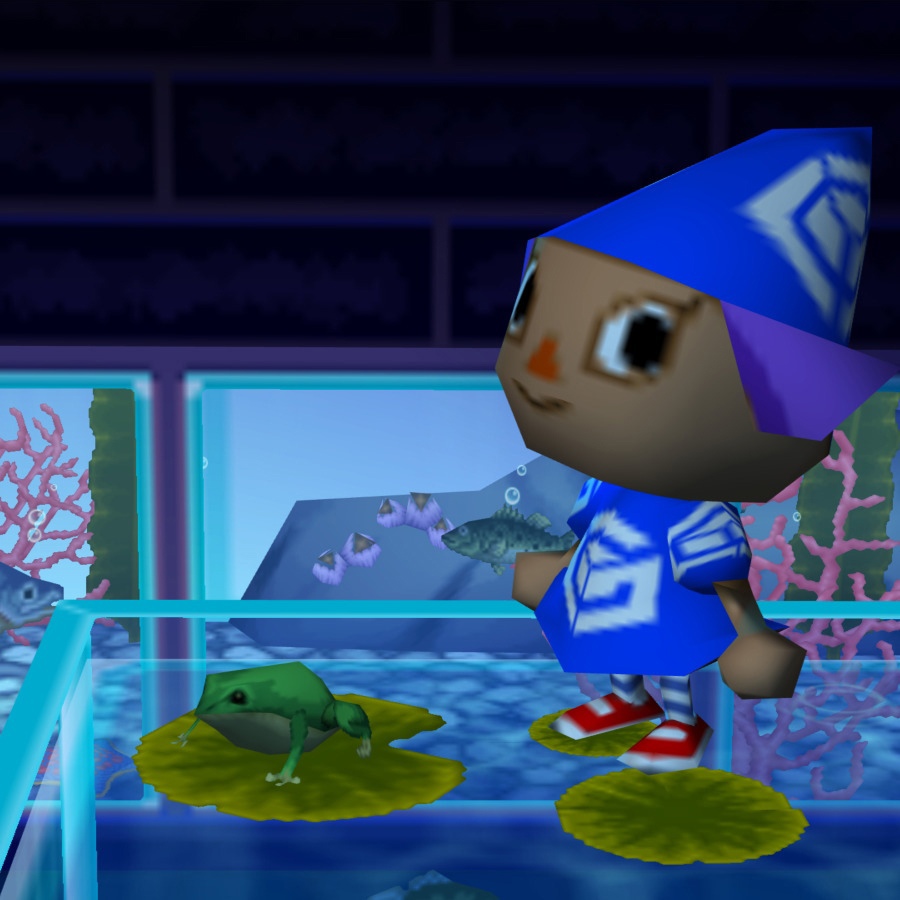
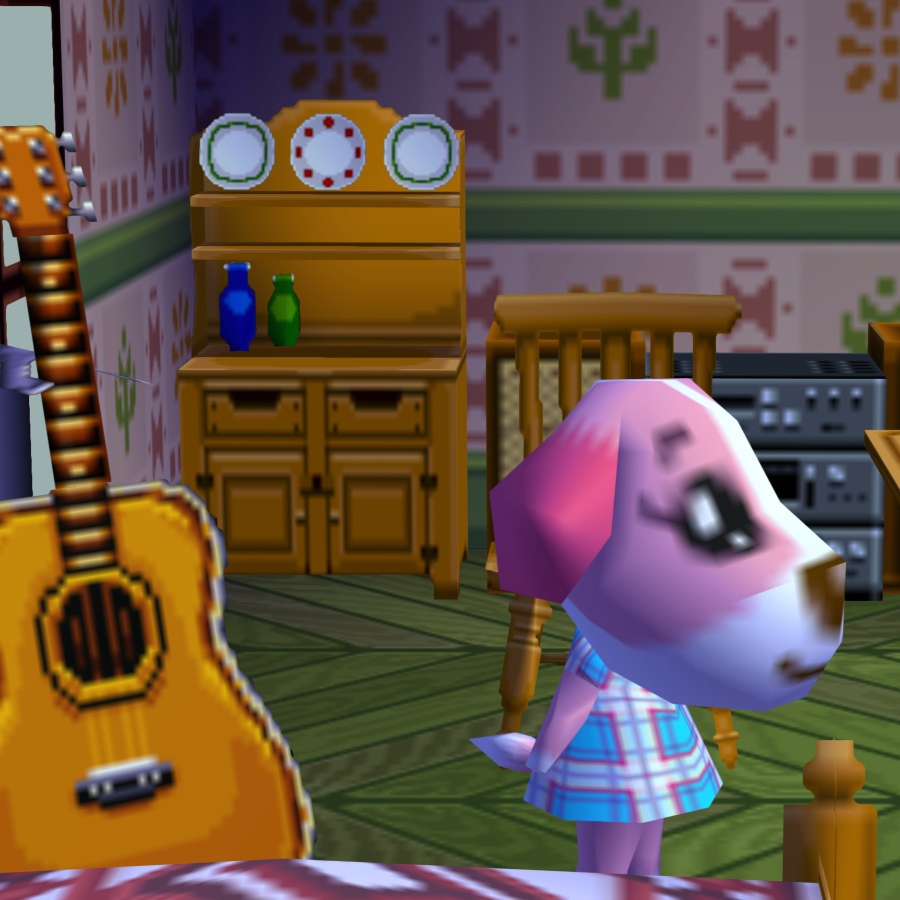
Animal Crossing: Population Growing, acimg