Concept
Synthetic Daydream — a project exploring the latent corporeality within everyday interactions with objects. The starting point was the observation that many routine actions already contain forms of intimacy and touch: we press a mug to our lips, stand naked in the shower, apply substances to our skin, stroke surfaces, and constantly interact with objects through our bodies.
The project consists of a series of limited-edition objects and video performances where familiar items take on distinct bodily attributes. While retaining their original function, they transform ordinary gestures into something uncommonly intimate, shifting them into the realm of emotional and tactile experience.
I am interested in the moment an object ceases to be perceived as a mere thing and begins to elicit an affect typically reserved for living beings. Through varying degrees of realism and abstraction, the project investigates how this response is formed and why the artificial can appear surprisingly close.
Series of works and video performances
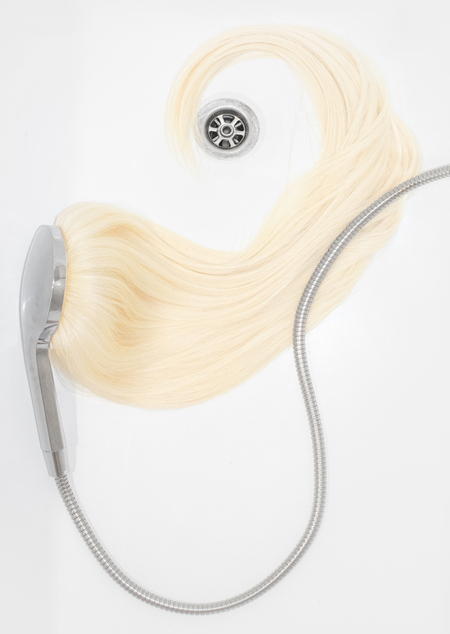
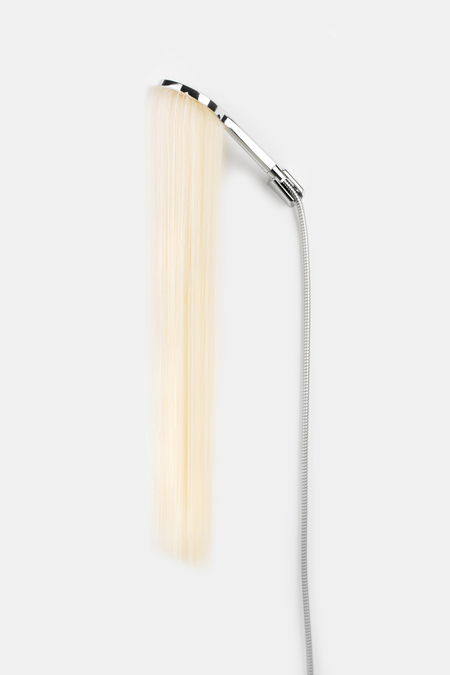
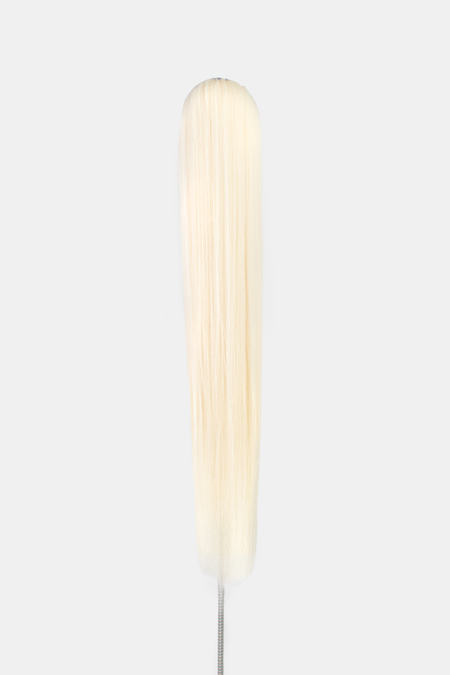
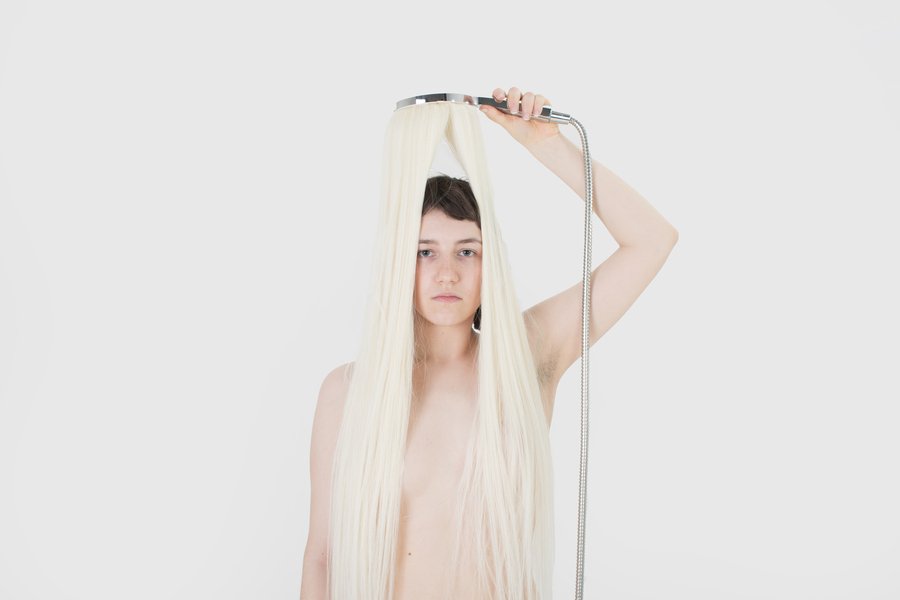
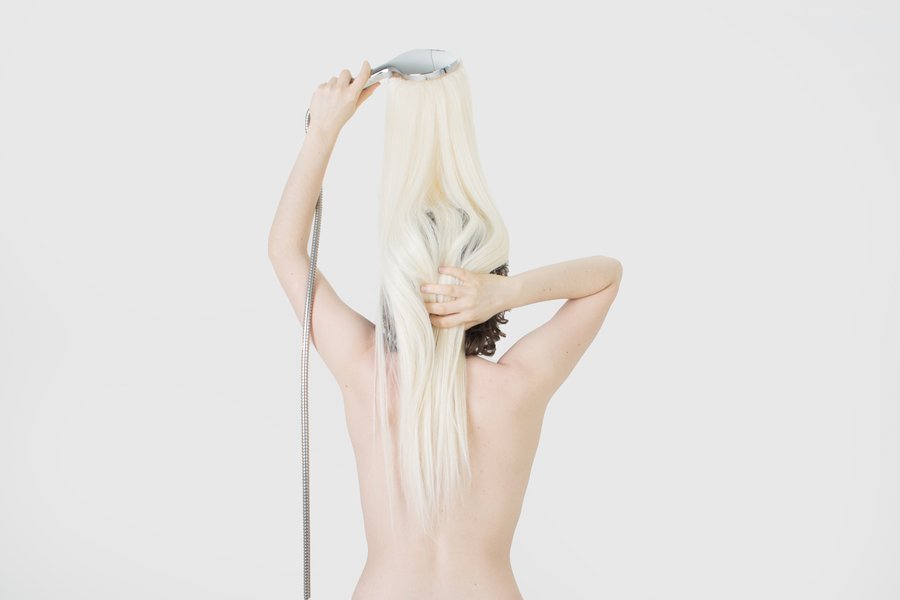
Shower Head / Hair with Shower Head
bioprotein hair, leica; Ø 20 × 80 cm Video: 52 sec.
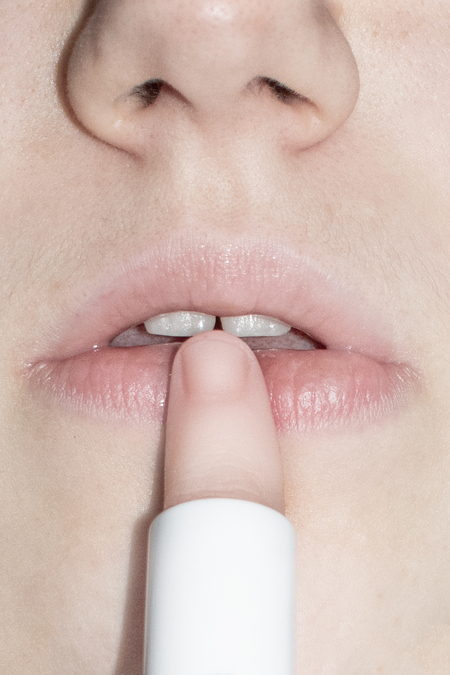
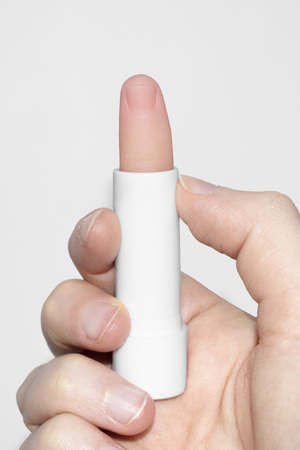
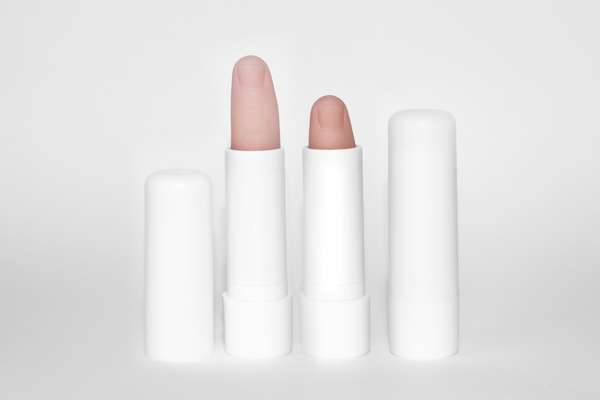
Finger Lip Bulm / Hygienic Finger silicone, vial; 7 × Ø2 cm video: 19 sec.
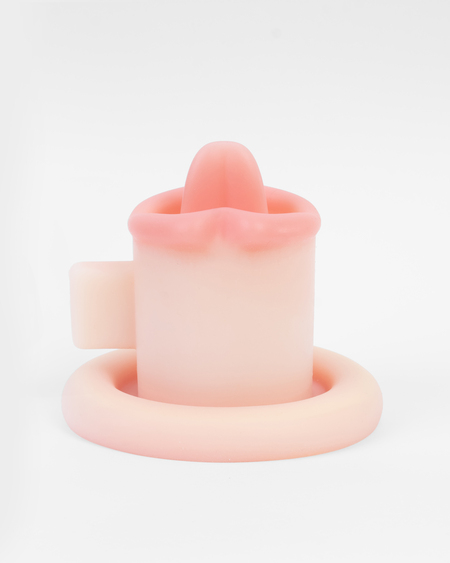
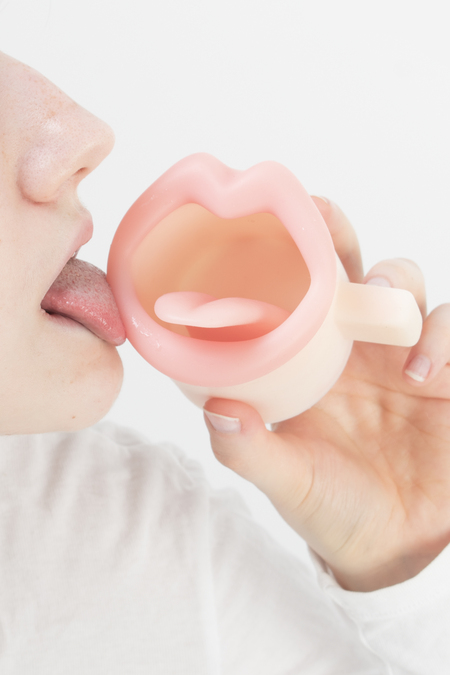
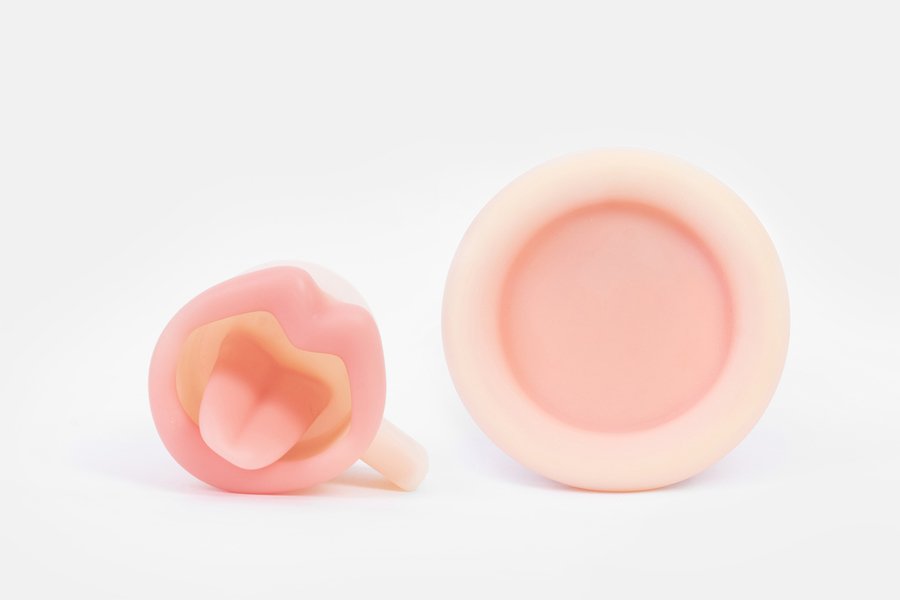
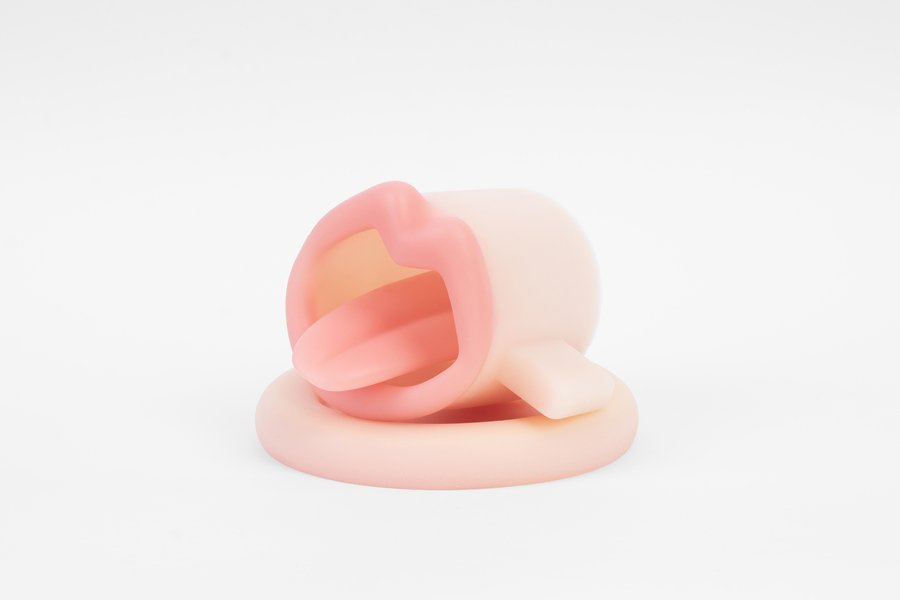
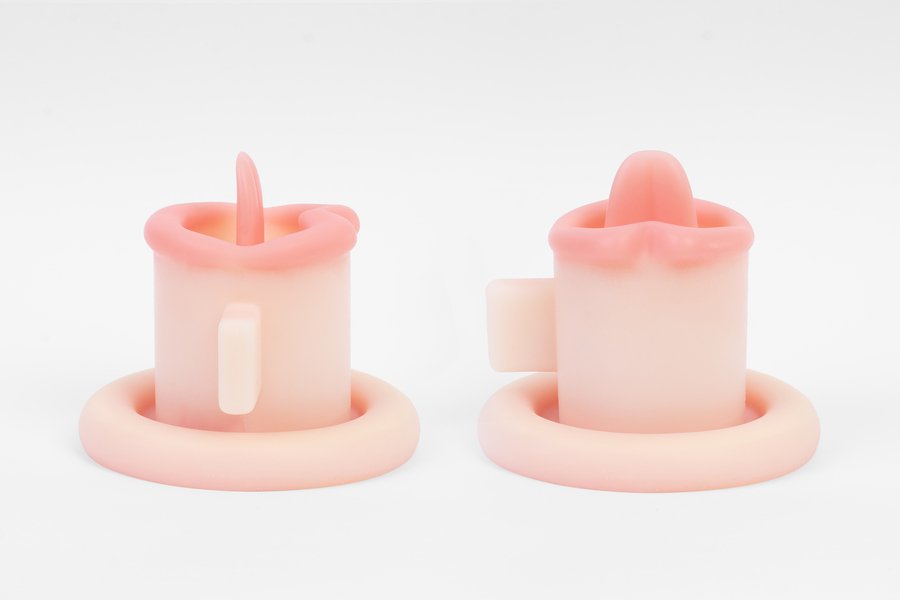
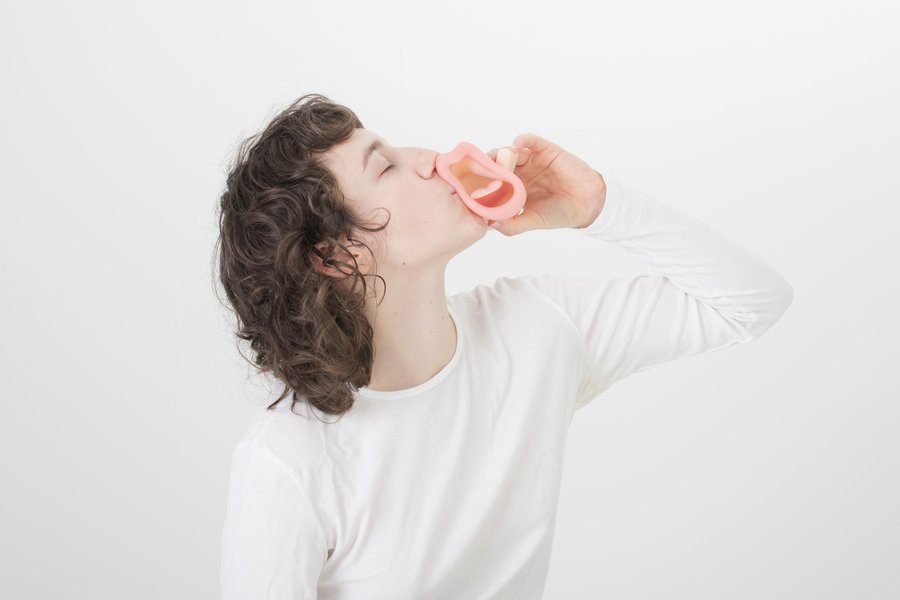
Lip Mug & Cheek Saucer / Lip Mug and Cheek Saucer
silicone; 10 × 9,5 × Ø7 cm; Ø12.5 cm video: 25 sec.
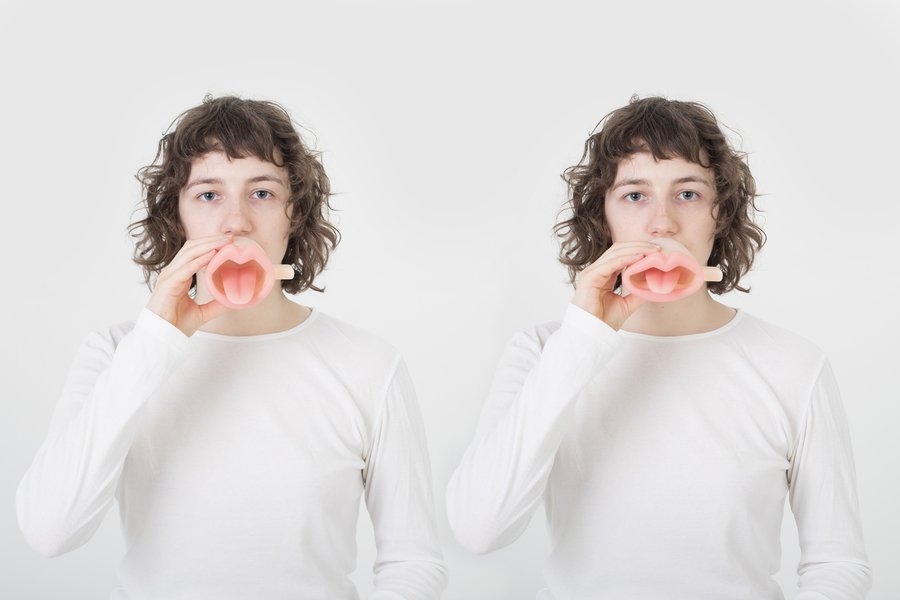
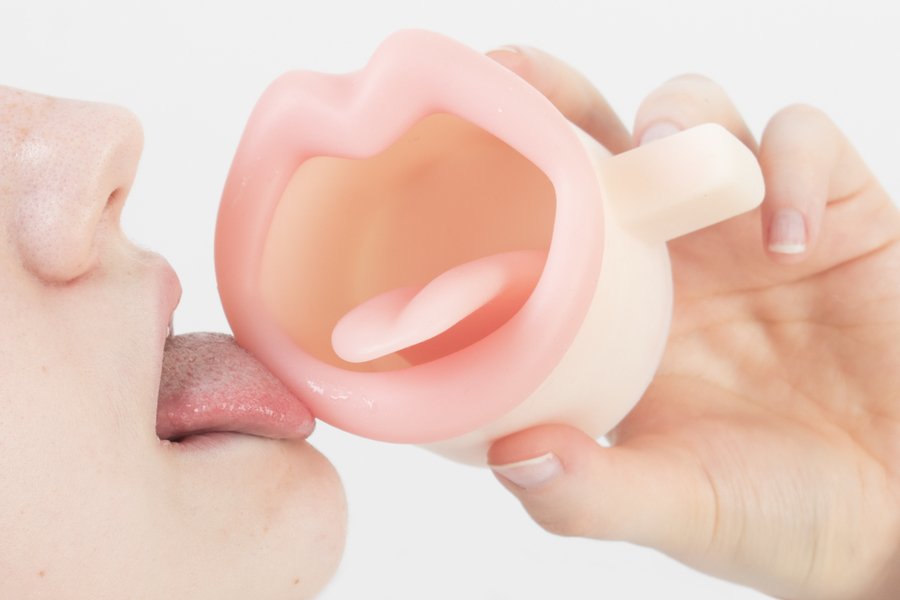
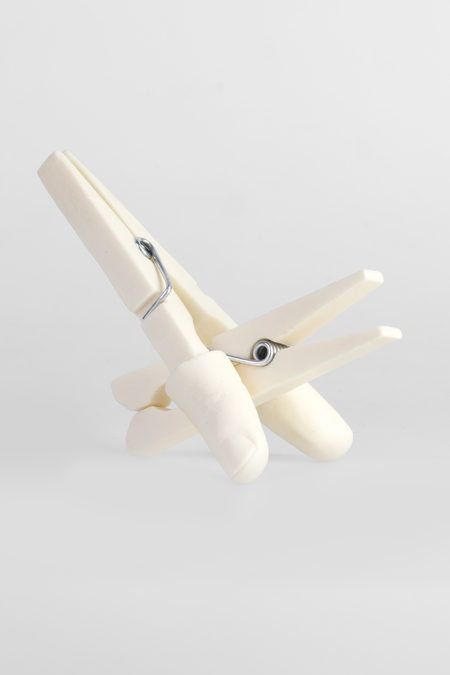
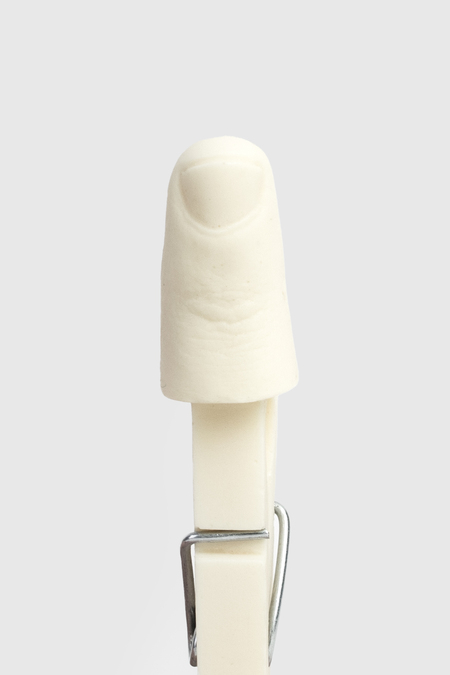
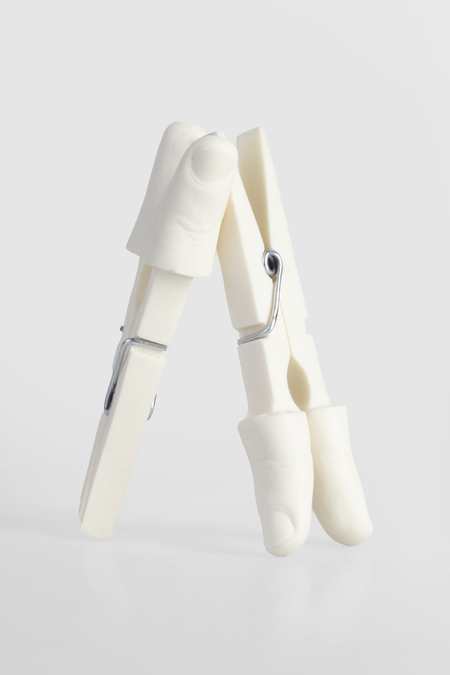
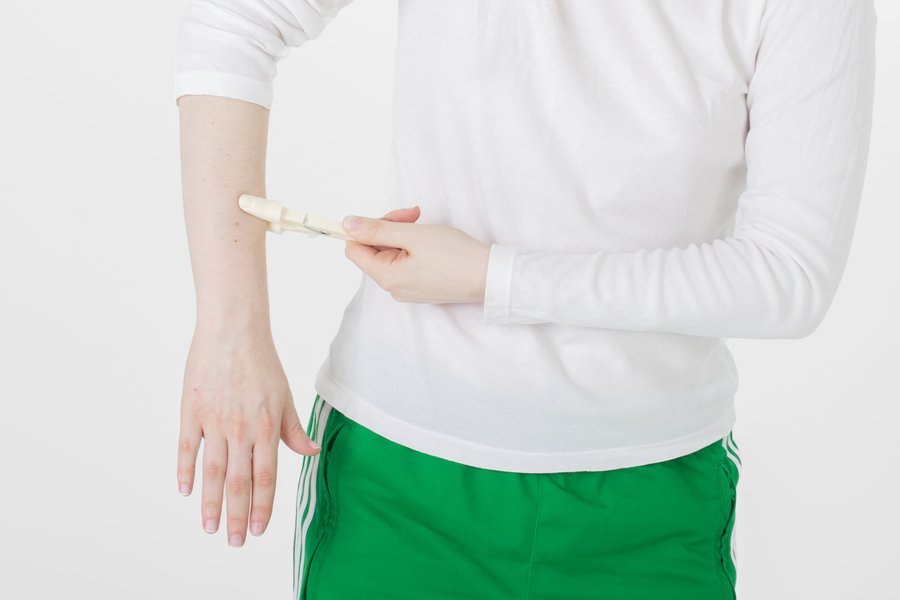
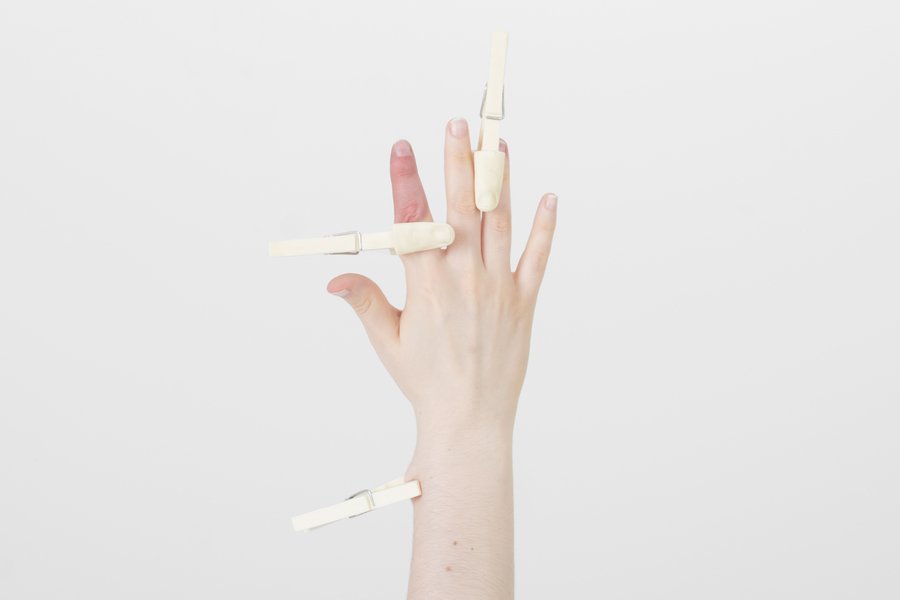
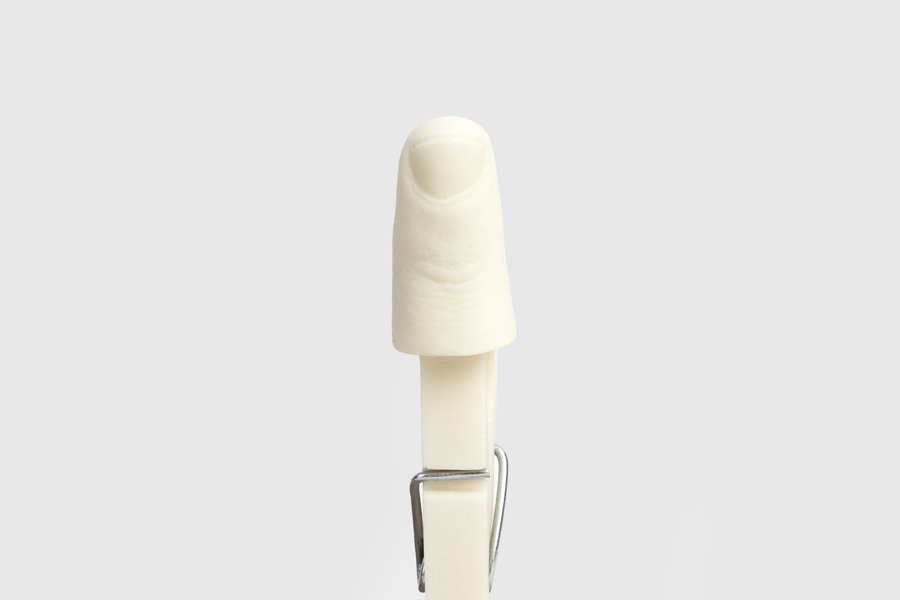
Finger Clothespins plastic; 10,5 × 2 × 3 cm video: 28 sec.
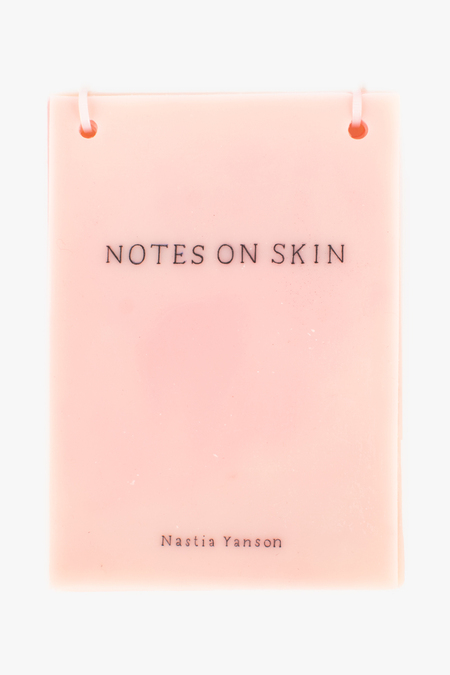
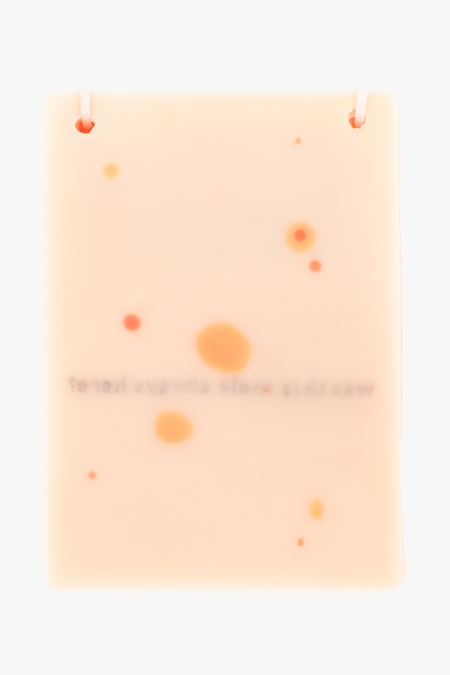
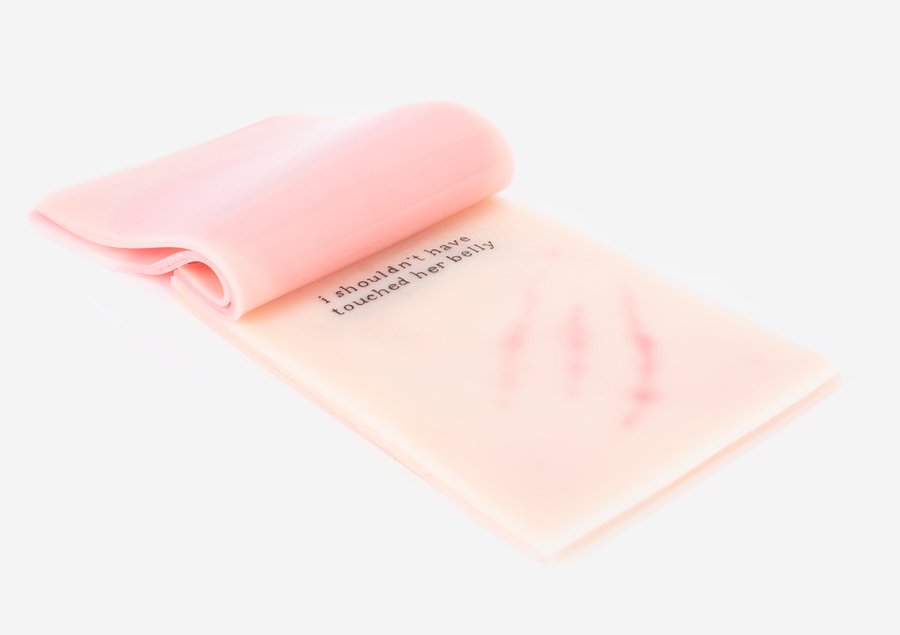
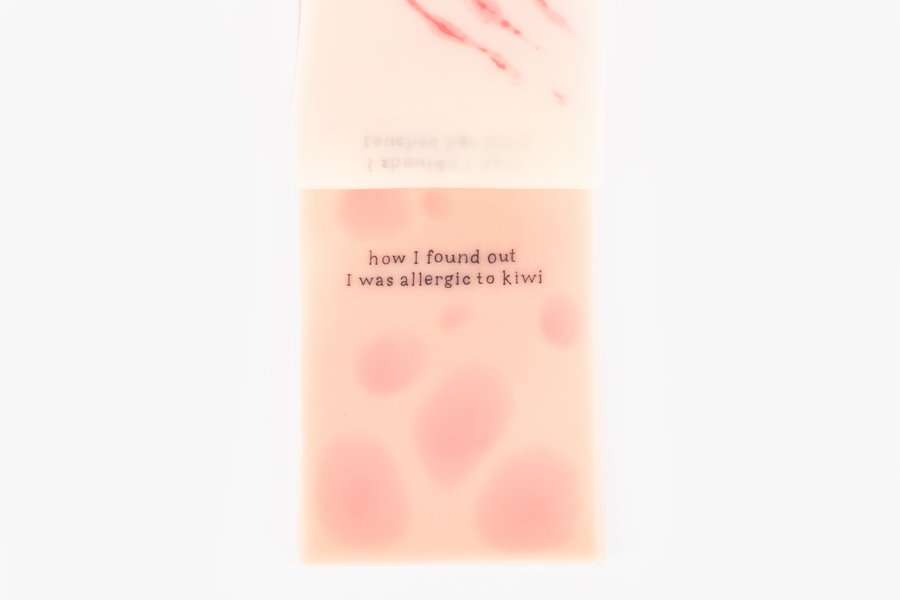
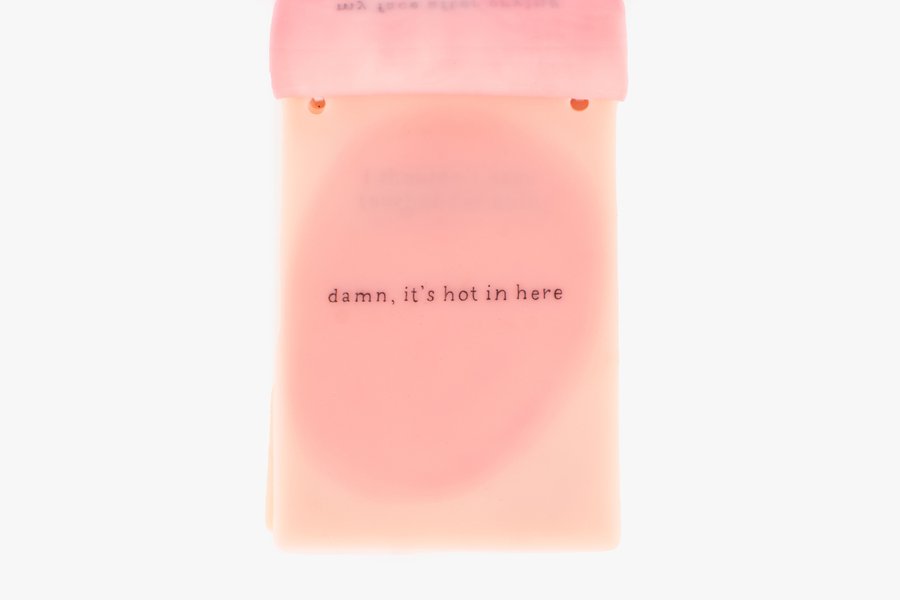
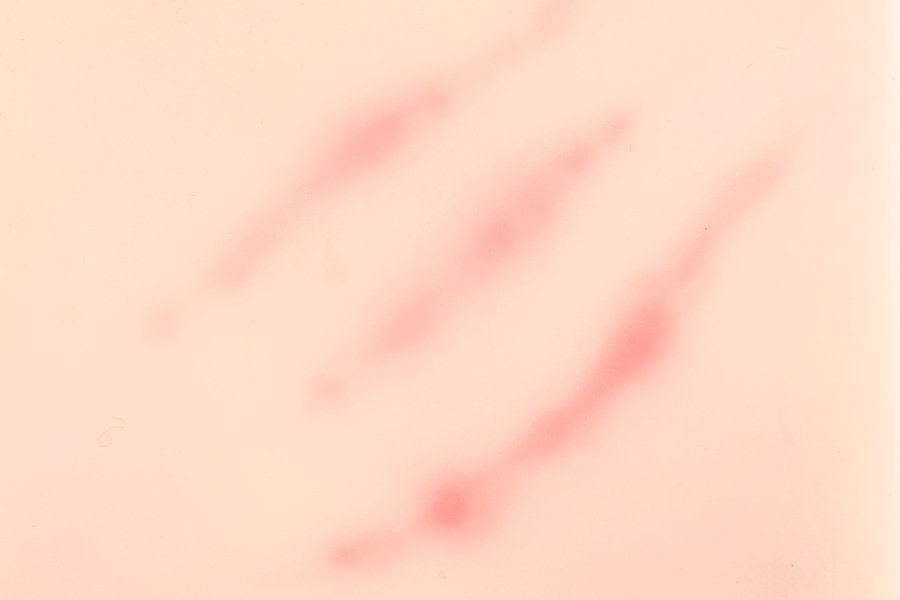
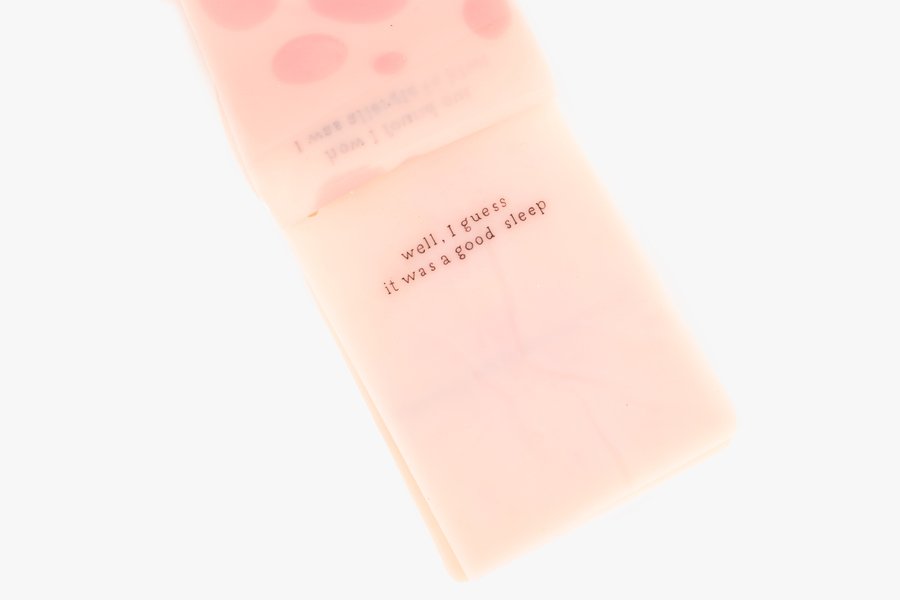
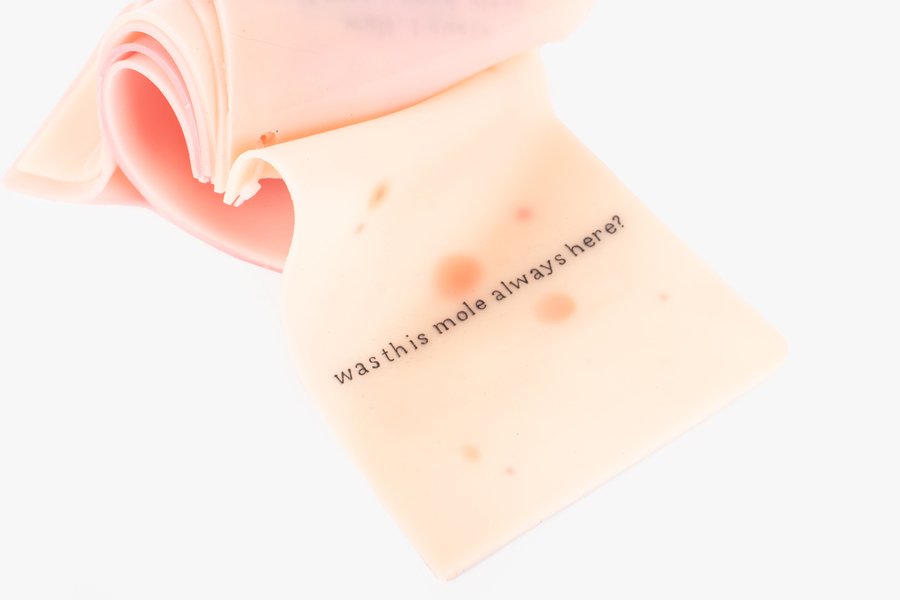
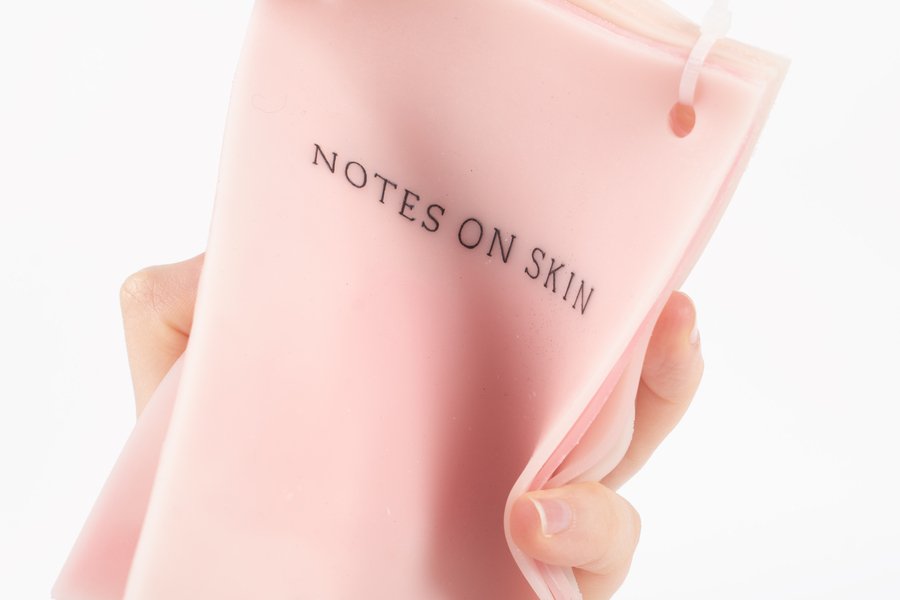
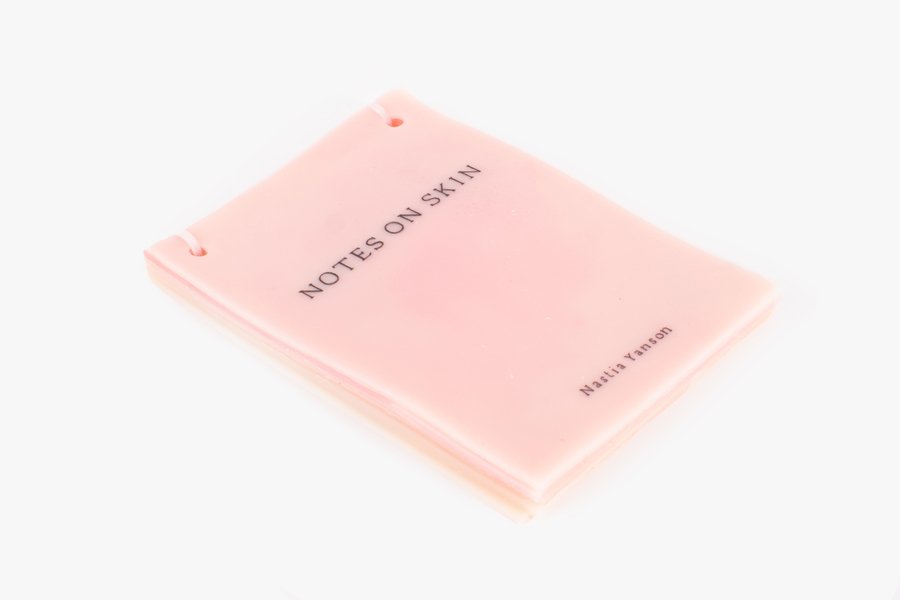
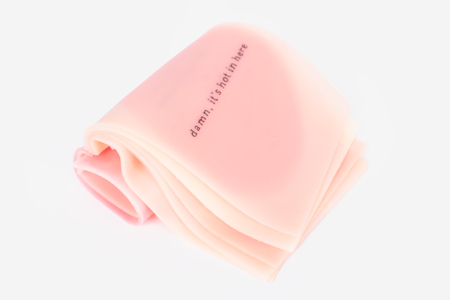
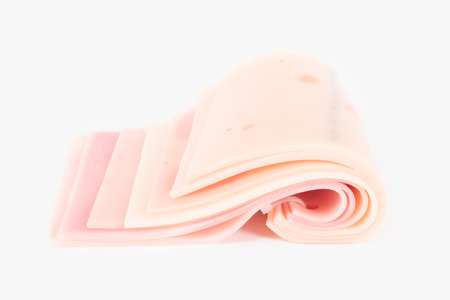
Notes On Skin
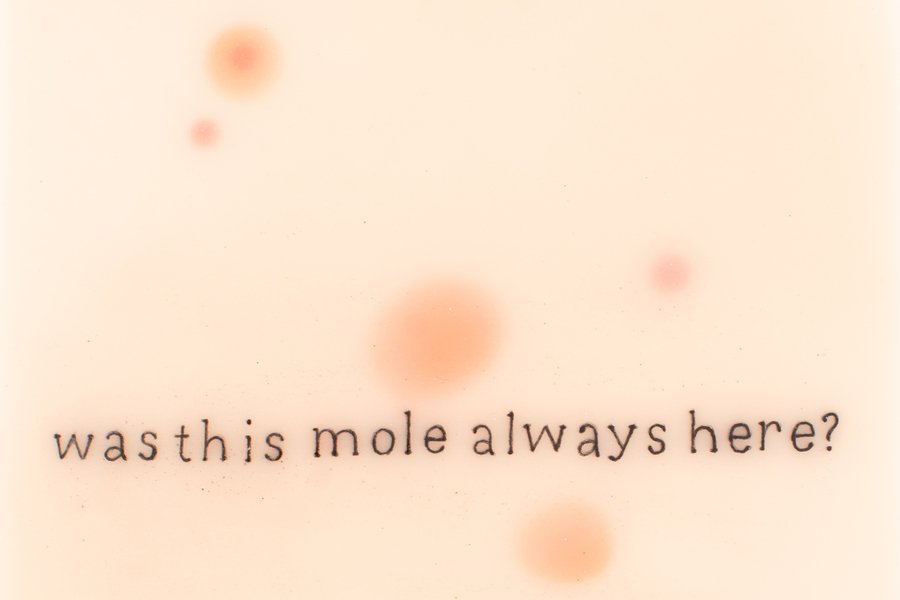
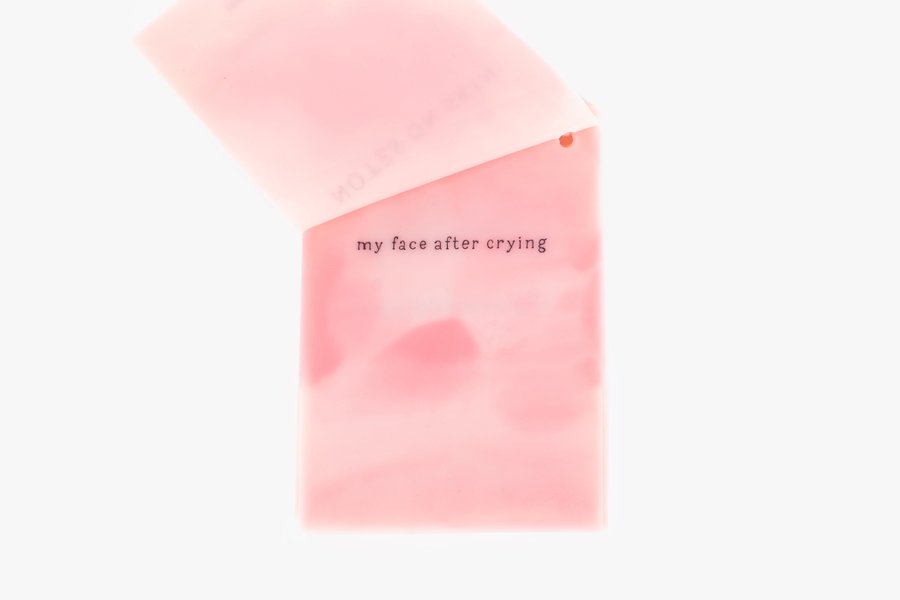
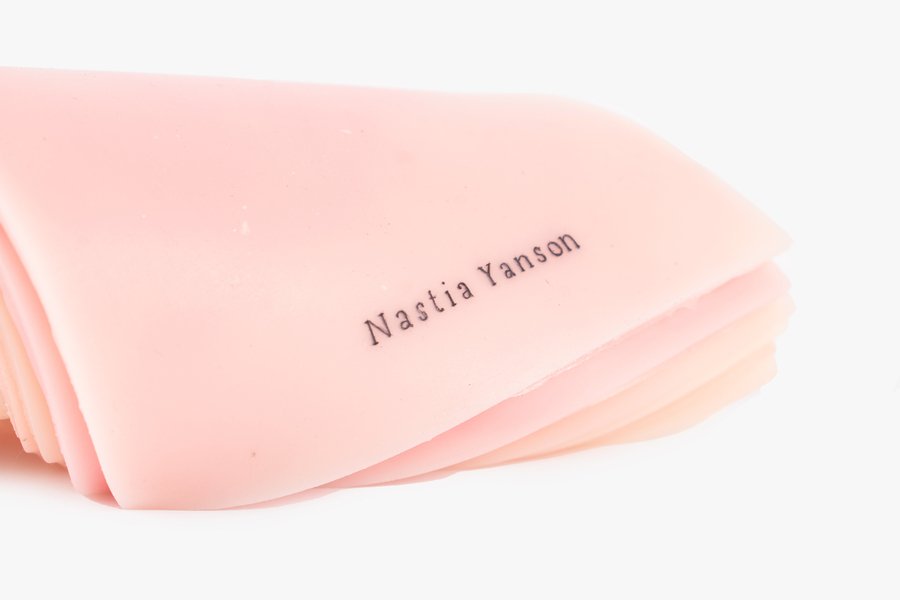
silicone; 14,8×10.5 cm; Language: English 7 pages
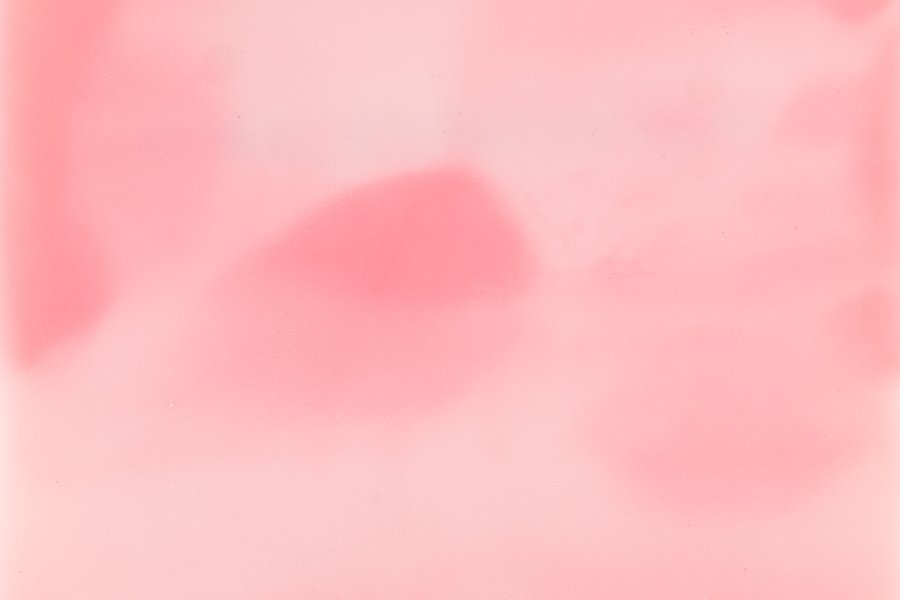
A tactile silicone book dedicated to everyday skin conditions. Each page reproduces a distinct bodily episode through color gradients, textures, and short textual notes: redness, allergic reaction, pillow mark, scratch, mole, or sensation of heat. The book explores the skin as a surface of memory, upon which the traces of daily life are fixed.
The tattoos were designed by Polina Teryukhova<i


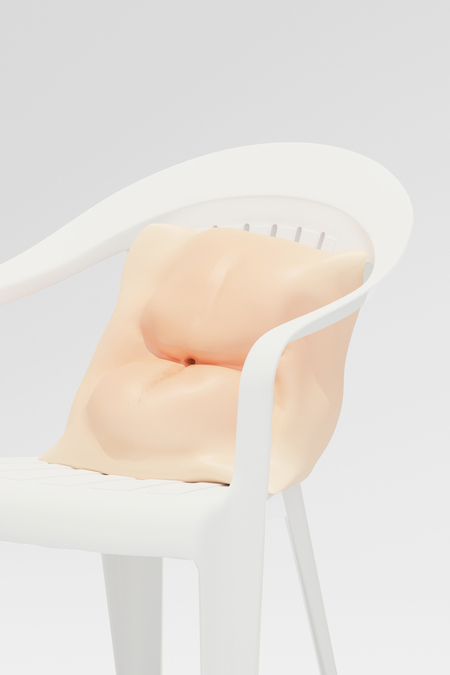
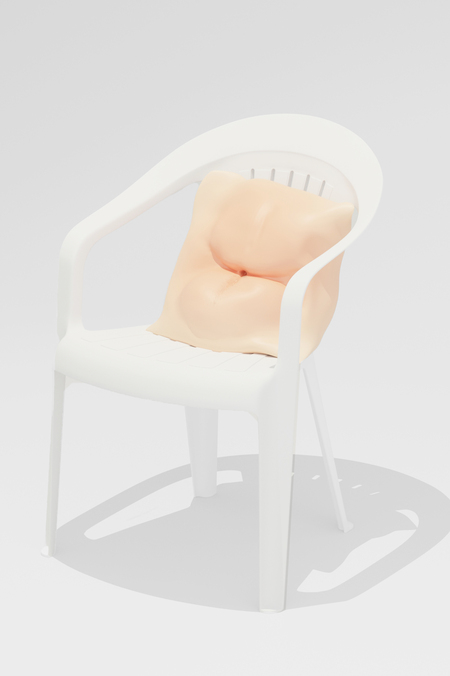
Belly Pillow
Silicone; 30 × 30 cm 3D model of the object and mold model for 3D printing for silicone casting (negative and positive)
Exhibition Plan
This visualization represents a preliminary spatial model of the project. It allows one to see the potential relationships between objects, video installations, and the viewer, but it is not the final exhibition design. Further adaptation will depend on the architecture of the specific space and the curatorial concept.