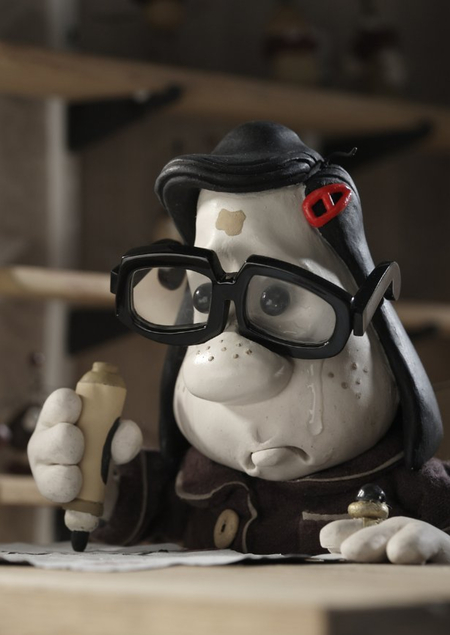
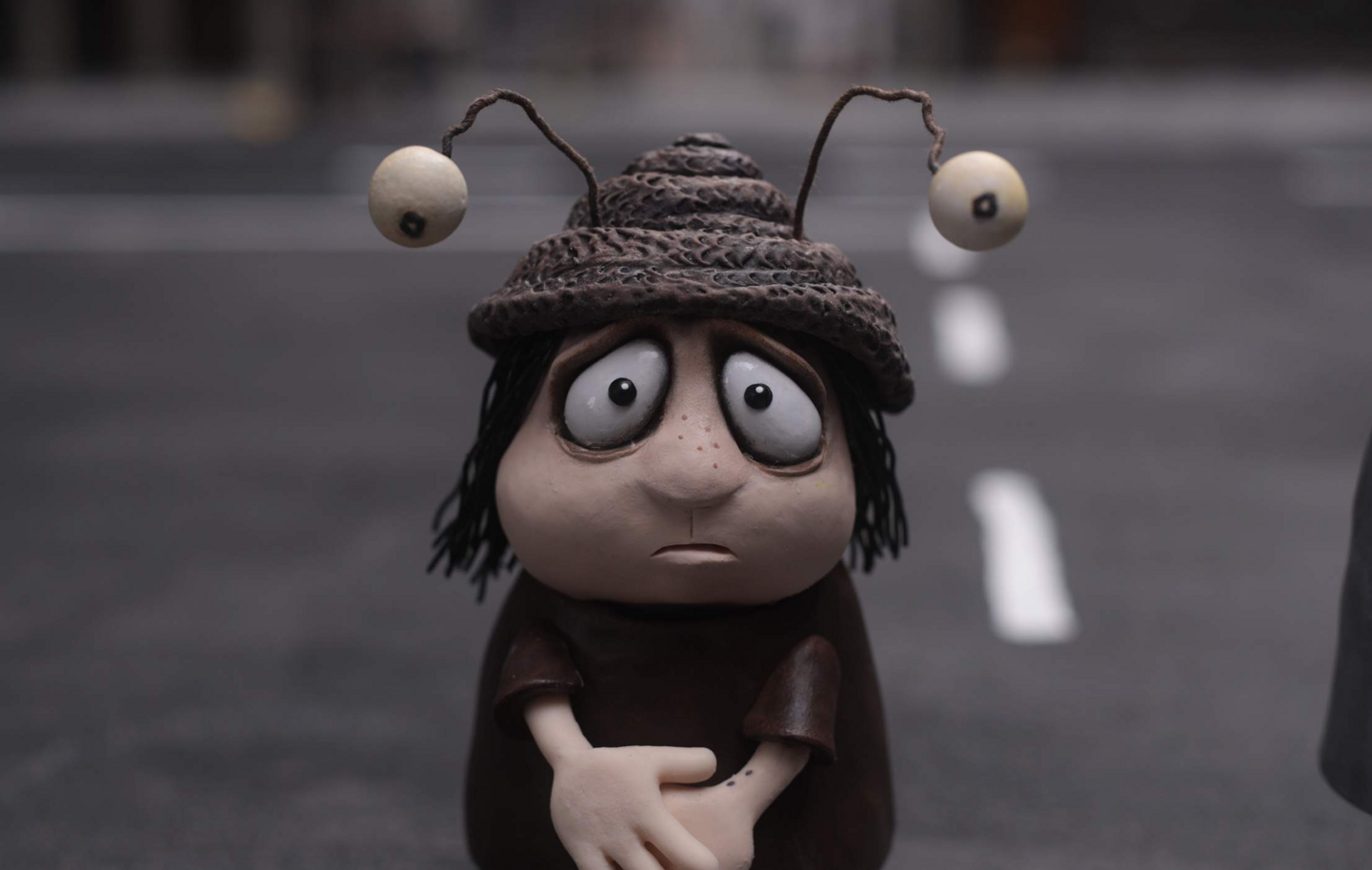
«Memoir of a Snail, ” directed by Adam Elliot, 2024
Concept
The research is driven by an interest in clay animation as a medium increasingly employed in contemporary auteur animation not for children’s entertainment content, but for complex emotional, philosophical, and social statements. Despite the persistent association of clay with childhood and play, modern directors are using this material to explore themes of loneliness, social pressure, and emotional vulnerability. Within the scope of this study, clay is examined not merely as an animation technique, but as an expressive artistic device that influences the audience’s perception of the narrative and their emotional state.
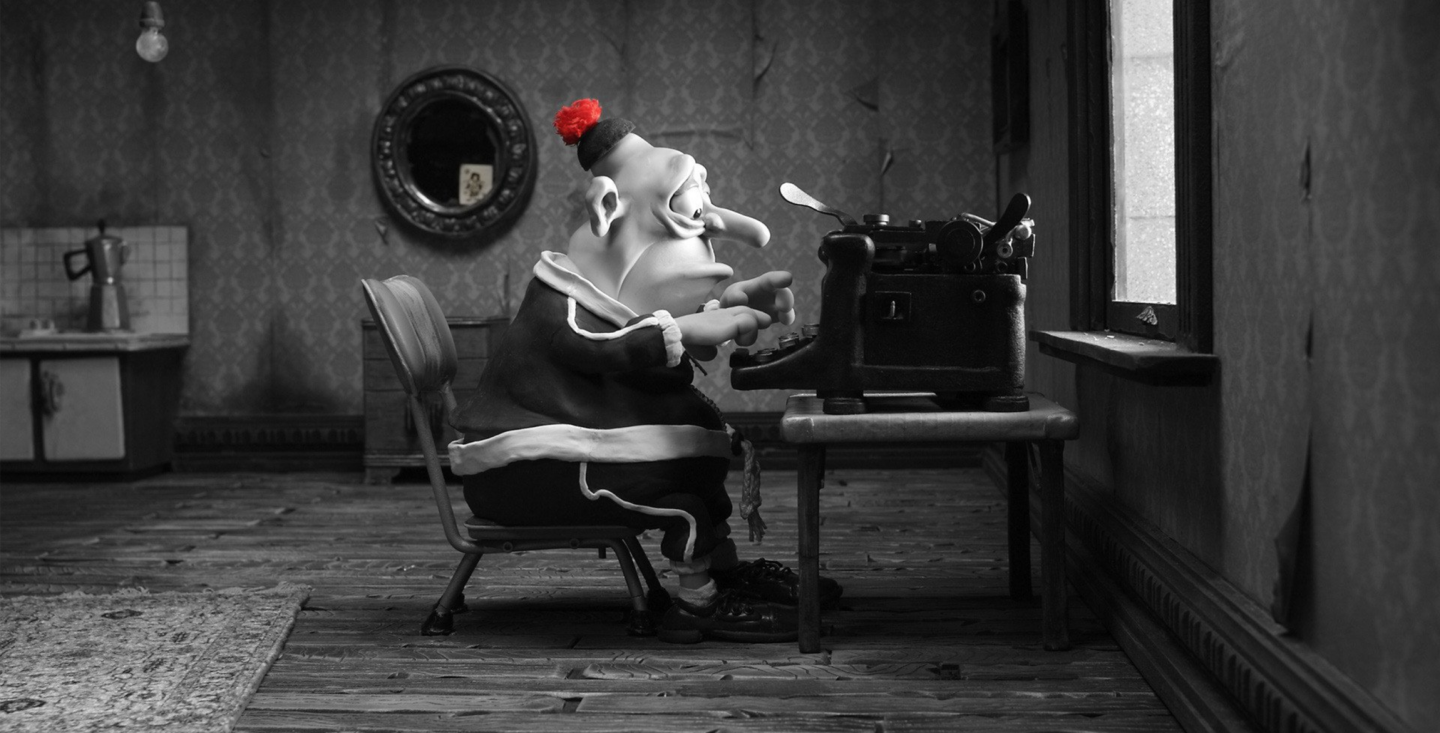
«Mary and Max, ” directed by Adam Elliot, 2009
Unlike digital animation, which strives for smoothness and visual purity, clay animation emphasizes its materiality and imperfection. Clay retains the marks of human touch—fingerprints, surface irregularities, and deformation. It is this tactility that allows directors to craft a more complex and emotional statement. In many of the selected films, clay functions not merely as a medium for creating characters, but as an independent bearer of meaning: the material transforms and visualizes the character’s inner state.
«Facing It, ” directed by Sam Gainsborough, 2018
For this study, original animated films from the late 1990s to the present day were selected—films where plasticine plays a significant artistic and thematic role. The selection included works by directors operating in the realm of independent and festival animation. The principle of material selection is based not so much on the technical execution, but rather on how plasticine is specifically utilized and what function it performs within the film. The study examines films in which the material becomes an integral part of the dramaturgy and visual language.
The structure of the study is built upon the principle of different expressive functions of modeling clay. Each section examines a specific way of working with the material and a distinct type of artistic statement.
[1] Clay as Weakness: Control and Submission
[2] Clay as Sensation: The Abstraction of Inner State
[3] Clay as Vulnerability: Humanity and Imperfection
[4] Clay as Transformation: The Search for Identity
[5] Clay as Memory: The Inevitable Mark of Time
«Facing It, ” directed by Sam Gainsborough, 2018
Key research question: Why does claymation, traditionally associated with children’s visual culture, prove to be particularly expressive for complex and adult themes?
The research hypothesis posits that clay, owing to its softness, instability, and material imperfection, is capable of conveying human emotional vulnerability more accurately than many other animation techniques. Its plasticity and visible craftsmanship evoke a sense of fragility and physical presence, allowing the viewer to perceive what is unfolding not as conventional animation, but as an emotionally authentic and almost corporeal experience.
[1] Clay as Weakness: Control and Submission
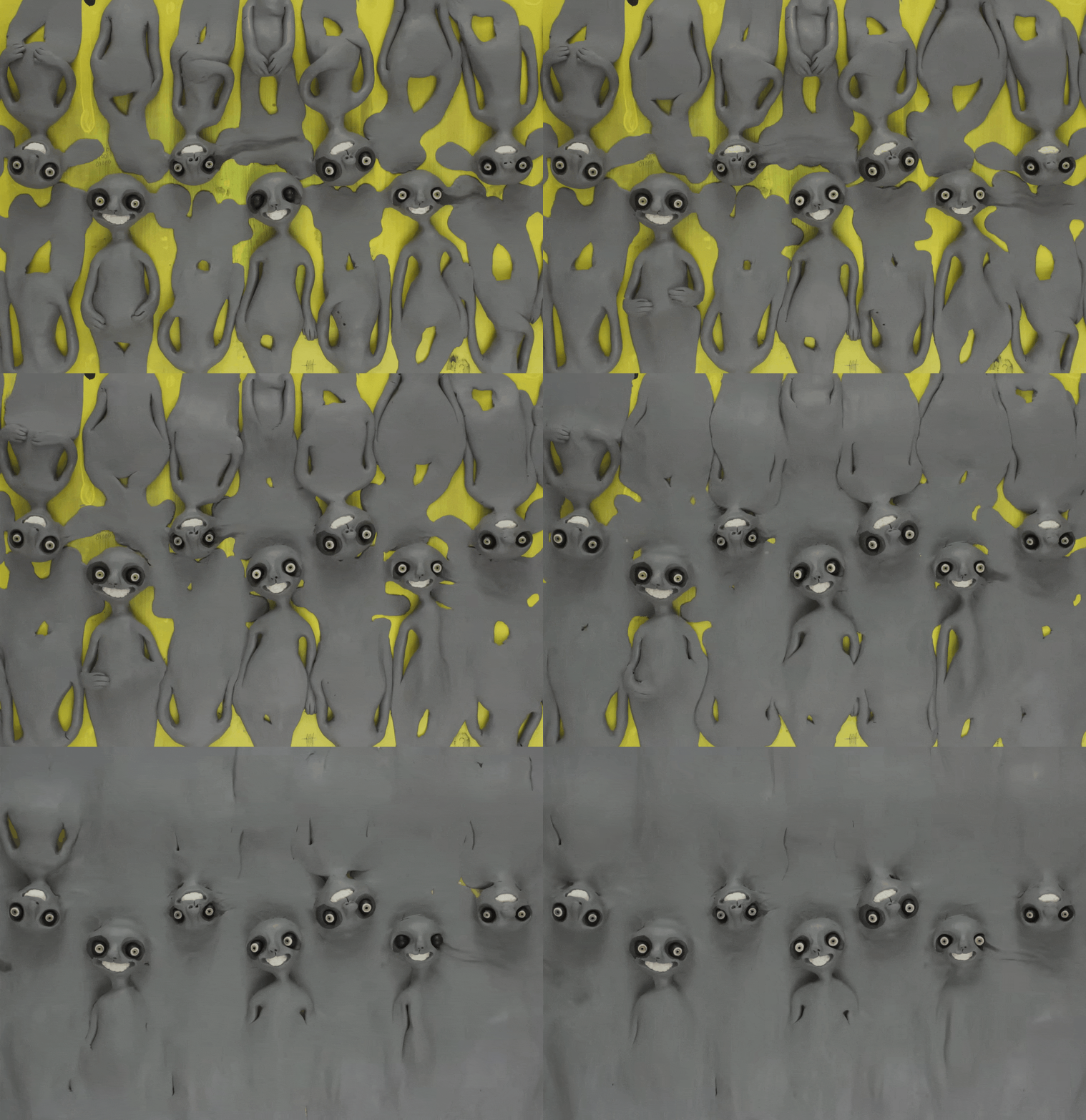
Clay is used as a material that highlights human vulnerability to external systems. This material, capable of deforming under any influence, transforms into a visual metaphor for a person lacking resilience and internal freedom.
(Animation — «Money and Happiness, ” directed by Ana Nedeljković and Nikola Majdak, 2022)
In the film «More, ” clay is used as a material that emphasizes the protagonist’s malleability to the system. The ability of the clay to deform makes the character visually vulnerable.
«More, ” directed by Mark Osborne, 1998
«On the dolls’ heads, there are huge fingerprints, but I’m pleased by that because I didn’t want everything to be perfectly smooth and flawless. I like it when viewers can see the artist’s touch.»
Mark Osborn
«More, ” directed by Mark Osborne, 1998
«More, ” directed by Mark Osborne, 1998
In the film «Money and Happiness, ” the softness of the material contrasts with the rigidity of the system in which the characters exist. The modeling clay emphasizes the control over the individual—the body becomes soft and dependent on external forces.
«Money and Happiness, ” directed by Ana Nedeljković and Nikola Majdak, 2022
«We sincerely believe that animation is a powerful tool for addressing important social and political issues. In the world we live in, there is a great deal of real documentary imagery, and to convey a message or tell a moving story, we choose to create seemingly charming clay worlds.»
Ana Nedelkovich
«Money and Happiness, ” directed by Ana Nedeljković and Nikola Majdak, 2022
In the film «Framed,» the main character exists within a space that constantly restricts and defines their behavior. Clay is particularly important here because of its malleability; the material allows the psychological pressure to be conveyed through changes in body shape. Clay animation makes control tangible.
«Framed,» directed by Marco Jemolo, 2017
«Framed, ” directed by Marco Jemolo, 2017
[2] Clay as Feeling: Abstracting Internal States
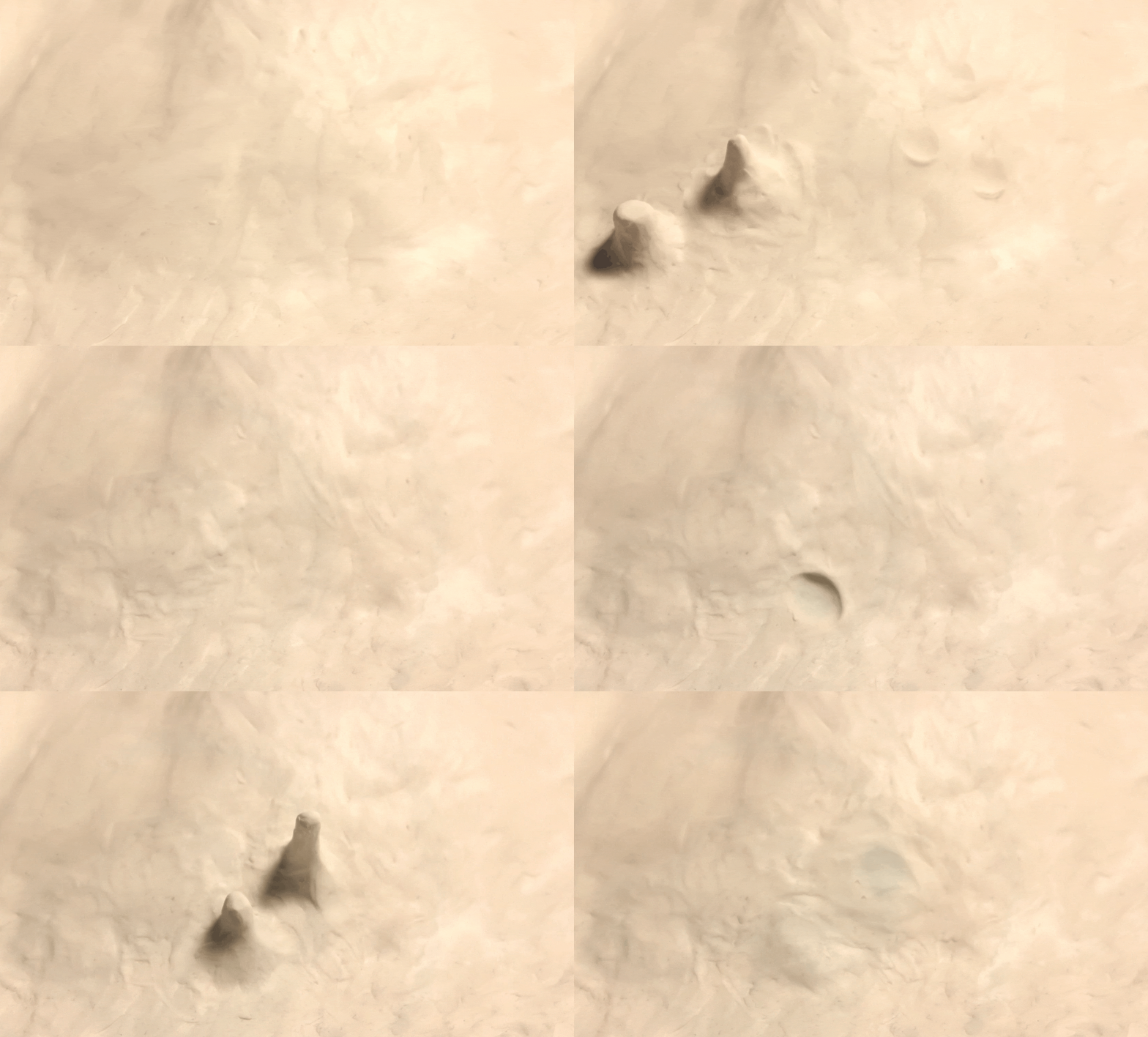
Clay is an especially suitable medium for representing emotions because its properties allow the abandonment of a fixed form, presenting emotion as a constantly shifting state.
(Animation — «Micro contact, ” directed by Malo Alliot, Lusy Daguerre, Lucile Hausdorff, Bastien Lambert, Alizee Lannuzel, 2018)
In the film «Micro contact,» plasticine transforms into abstraction, through which themes of intimacy and emotional connection are conveyed. The material acts as an «emotional surface,» directly reacting to any internal shift.
«Micro contact, ” directed by Malo Alliot, Lusy Daguerre, Lucile Hausdorff, Bastien Lambert, and Alizee Lannuzel, 2018