Brazil: City of God
Movie Moodboard
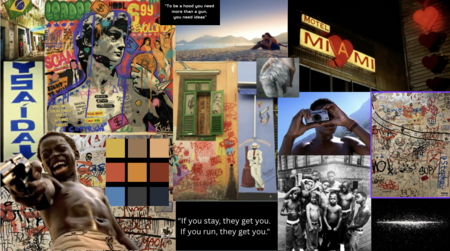
City of God shows the raw reality of life inside a marginalised community without trying to soften or glamorise it. From the beginning, the film makes it clear that these residents were pushed away from the main city and left to survive on their own, shaping a mindset driven by survival rather than choice. Violence and anger are present in everyday life, growing alongside constant discrimination. Beyond the violence, the film draws attention to the absence of protection and reliable support systems. Safety is uncertain and inconsistent, reinforcing vulnerability and isolation as everyday conditions rather than exceptions.
Brand mood board and concept board
Context
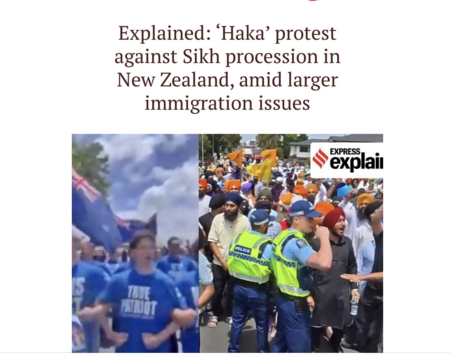
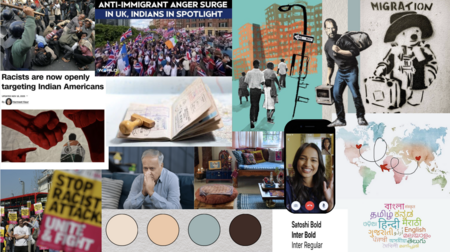
In recent years, global cities have seen a rise in racism, anti immigrant sentiment, and targeted violence, with Indian and South Asian immigrants increasingly becoming visible targets. While these experiences are often framed as individual struggles abroad, their impact extends beyond borders.
Families in India remain closely connected to the migrant experience, frequently living with fear, uncertainty, and limited access to reliable information during moments of crisis. This concept understands immigration as a shared, transnational reality and proposes a digital platform that supports immigrant safety abroad while also addressing the emotional and informational needs of families in India.
Nirvair
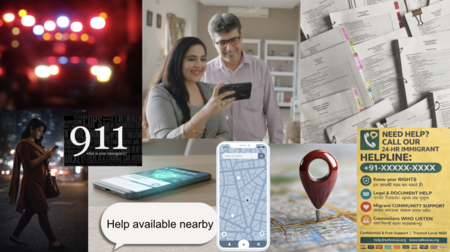
Nirvair (ਨਿਰਵੈਰ) means «without enmity,» «without hatred,» or «without hostility,"stemming from Sanskrit roots. It’s a significant term in Sikhism, describing God as being without ill-will, and also signifies a spiritual quality of being free from animosity towards others. It is a platform designed for immigrants abroad and their families in India. Existing safety systems are fragmented and largely reactive, leaving immigrants without real-time resources and families without credible information during moments of risk. Nirvair bridges this gap with two connected interfaces, one for immigrants navigating public spaces and one for trusted family members, creating a shared safety network that prioritises care, dignity, and agency without relying on surveillance.
Operation
Brand Direction
UX/UI
#mystory
Billboard
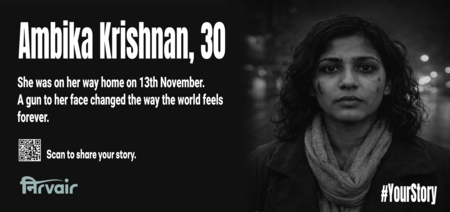
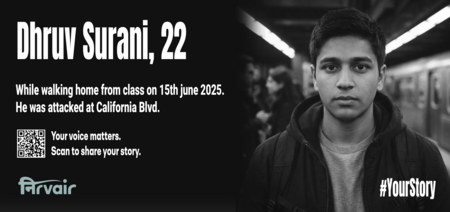
Each billboard spotlights a survivor’s story, giving one person per frame the space to be seen and heard.
Poster
Poster #1
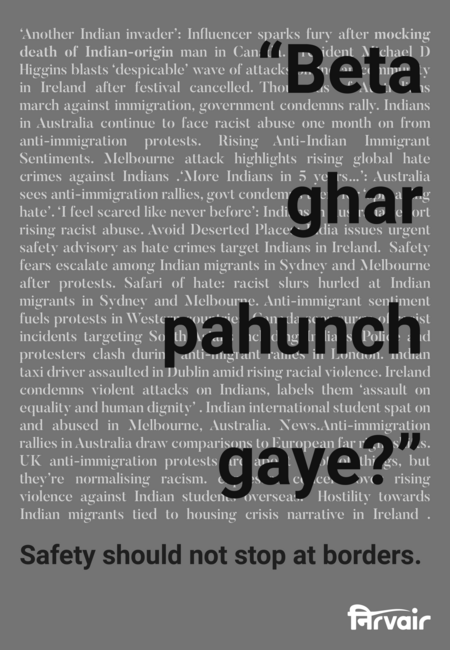
This poster uses real headlines about anti-immigrant attacks as the background. Over them is the phrase «Beta ghar pahunch gaye?» meaning «Son, have you reached home?» A simple, caring question from a parent becomes heavy in this context, showing the constant fear families carry when their loved ones live in unsafe environments.
Poster #2
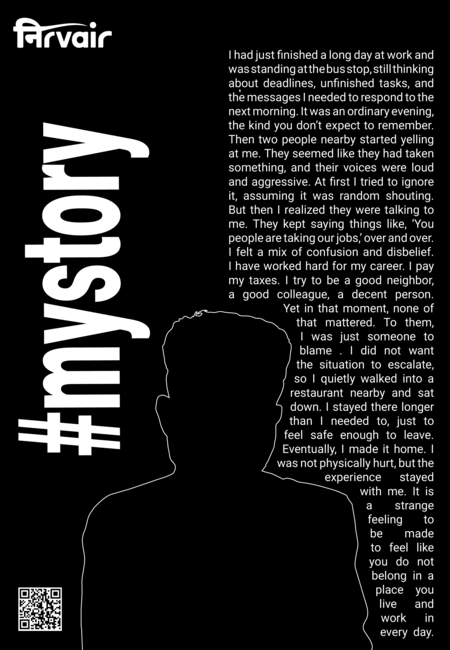
This poster focuses on one individual story. A silhouette of an immigrant figure holds a first person account of harassment he faced after work. We do not see his face, allowing him to represent many people. The story on the right of his outline shows how these experiences stay with someone emotionally, even when they are not physically harmed.